
The Cult
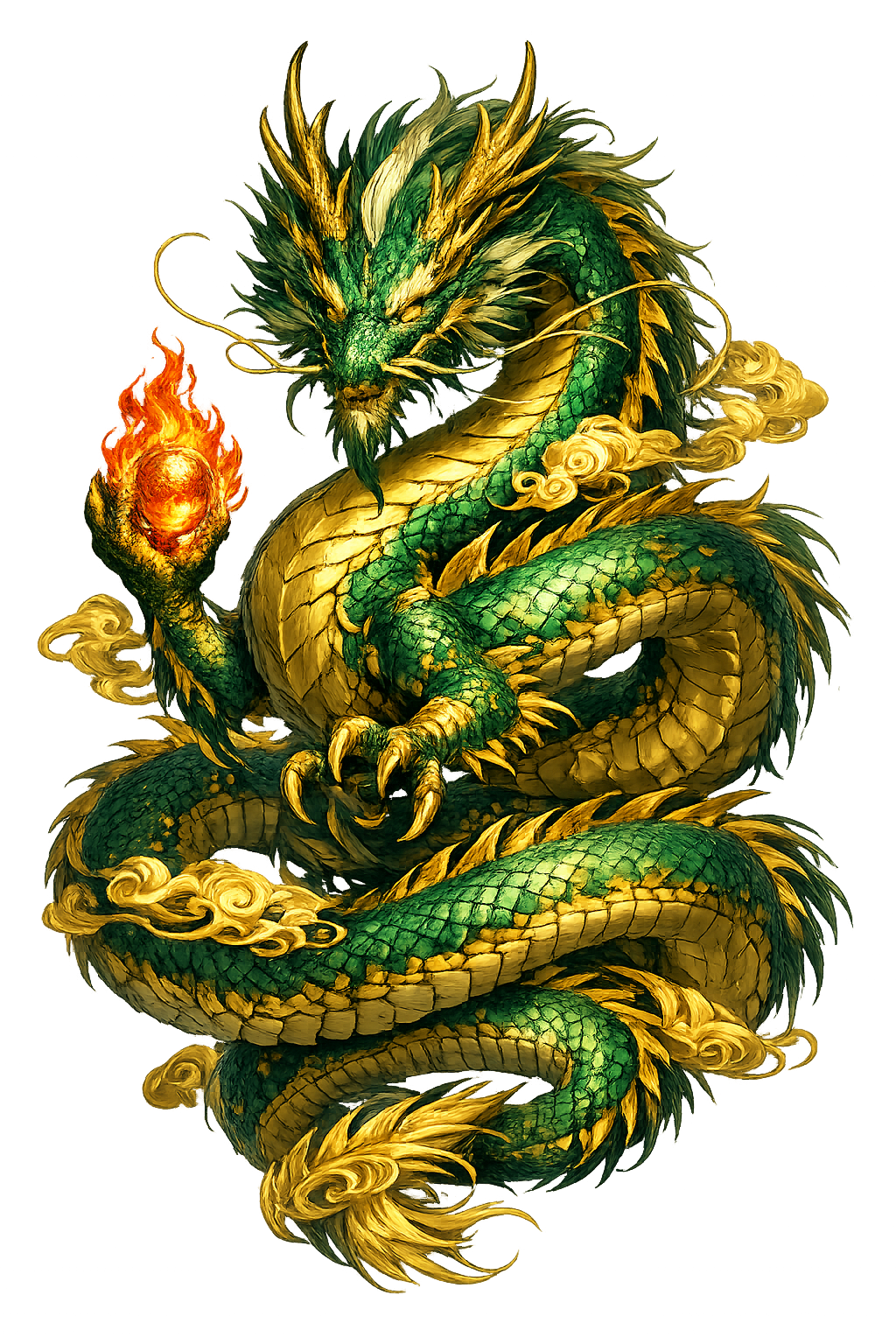
The dragon was worshipped in China as the governor of water, and its cult was everywhere and nowhere — less a temple system than a standing assumption of the ritual calendar. Han ritual sent processions to the streams with clay dragons to summon rain, a liturgy the scholar Dong Zhongshu systematized and Wang Chong mocked; that agrarian rain-cult is the dragon's oldest altar. The throne absorbed the same power: the emperor alone wore the five-clawed dragon on his robes, and when the rains failed, the court answered with fasting and prayer, treating drought as a failure of royal virtue before heaven. At the village level the dragon lived in the spring rite called Lóngtái — the 'dragon raising its head,' on the second day of the second lunar month — when households woke it with the year's first haircut and kitchen-ash dragon-signs. Later temple practice routes most water-prayer to the Dragon Kings, who own the shrines; the dragon itself remains the cosmos those shrines address.