PuniCodex

Extended Lore

조왕신 (竈王神) Jowangshin

Etymology · Phonology · Orthography · Cultural Legacy · Primary Sources

Tier 2 Jowangshin
Jowangshin — Kitchen, Hearth
01

Quick Facts

Essential information about Jowangshin, Kitchen, Hearth

Original Script조왕신 (竈王神)
Unicode RestorationJowangshin
Reconstructed Pronunciation/tɕo.waŋ.ʃin/
PantheonKorean
DomainKitchen, Hearth
MeaningKitchen king spirit
ClassificationTier 2
Primary DomainJowangshin
Sacred SymbolsHearth fire, Cooking pot, Water, Clean kitchen cloth
02

Etymology & Word Family

From original script to Unicode restoration

Original Script 조왕신 (竈王神) Jowangshin — "Kitchen king spirit"
Unicode Restoration Jowangshin Restored stress, length, and script
Modern ASCII jowangshin Plain-ASCII fallback

The first consonant is an unaspirated affricate; the second syllable carries the Sino-Korean word for king. The name designates the spirit who rules the kitchen hearth.

03

Unicode Character Breakdown

Character-by-character philological analysis

CharacterUnicodeNameBlockPhonetic Role
JU+004ALatin Capital Letter JBasic LatinSame, capitalized
oU+006FLatin Small Letter OBasic LatinSame
wU+0077Latin Small Letter WBasic LatinSame
aU+0061Latin Small Letter ABasic LatinSame
nU+006ELatin Small Letter NBasic LatinSame
gU+0067Latin Small Letter GBasic LatinSame
sU+0073Latin Small Letter SBasic LatinSame
hU+0068Latin Small Letter HBasic LatinSame
iU+0069Latin Small Letter IBasic LatinSame
nU+006ELatin Small Letter NBasic LatinSame

The Tier 2 classification reflects how much of the original phonology this restoration preserves — stress and vowel length for Greek names, distinctive letters and diacritics for every other tradition.

04

Cultural Significance

From ancient cult to modern Unicode

Ancient Domain

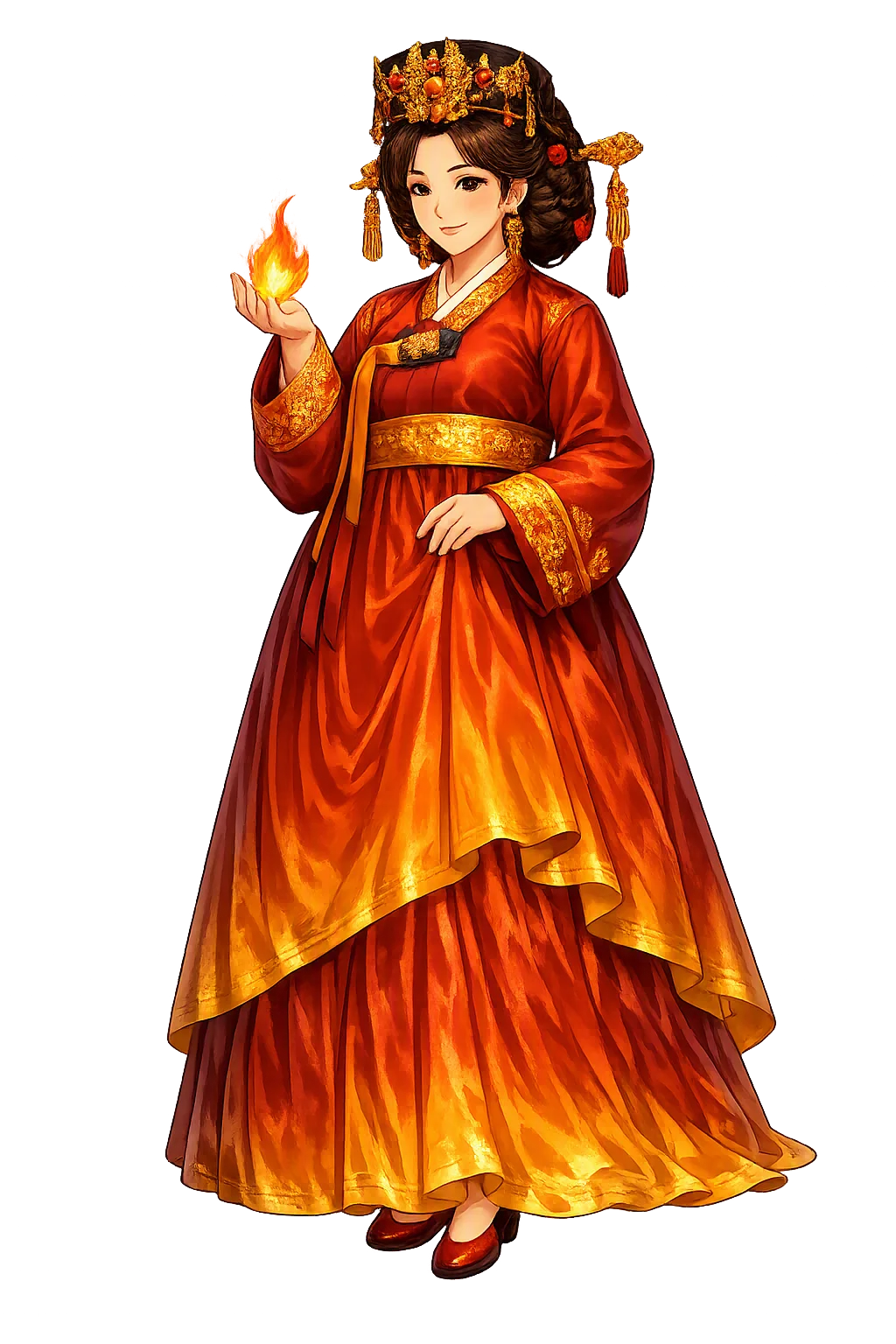
Jowangshin is the kitchen king spirit who protects the hearth, supervises the preparation of food, and reports on the household to heaven in Korean tradition. The name means "Kitchen king spirit" and belongs to the domain "Kitchen, Hearth." Jowangshin is the spirit of the kitchen hearth, one of the most important household deities in Korean folk religion. The figure is believed to record the affairs of the household and report them to heaven, so housewives observed taboos such as not cursing in the kitchen and keeping the hearth clean.

Jowangshin in Later Traditions

Jowangshin is closely parallel to the Chinese Zao Jun (Kitchen God), and the two figures probably influenced each other through Sino-Korean cultural exchange. Yet the Korean figure has its own origin epic, the Munjeon Bonpuri, and is embedded in distinct shamanic ritual. Confucian households domesticated the cult by assigning it to women's observance, while Buddhist temples sometimes honoured the hearth spirit as a protector. Today Jowangshin survives in household customs, year-end rituals, and the lingering sense that the kitchen is the moral centre of the home.

Modern Legacy

Jowangshin continues to shape Korean domestic culture. The kitchen remains a symbol of family care and moral order, and traces of the hearth-spirit cult appear in New Year customs, housewarming rituals, and the reverence shown to elders who cook. The Munjeon Bonpuri is performed in Jeju shamanic rituals and has been recognised as part of Korea's intangible cultural heritage. Scholars study Jowangshin as an example of how women's labour is sacralised and how the household becomes a microcosm of cosmic justice.

Unicode Restoration as Cultural Act

Restoring Jowangshin in a domain name is more than orthographic accuracy. It is a statement that the internet should recognize the full range of human writing — not only the ASCII keyboard.

05

Frequently Asked Questions

Common questions about Jowangshin, Kitchen, Hearth, and Unicode restoration

01How do you pronounce Jowangshin?

In reconstructed pronunciation, Jowangshin is /tɕo.waŋ.ʃin/ — approximately 'joh-WAHNG-sheen' — The first consonant is an unaspirated affricate; the second syllable carries the Sino-Korean word for king. The name designates the spirit who rules the kitchen hearth..

02What does Jowangshin mean?

Jowangshin means Kitchen king spirit in the korean tradition.

03What are the symbols of Jowangshin?

Jowangshin is associated with Hearth fire (The sacred fire that transforms raw food into nourishment and wards off danger.), Cooking pot (The vessel of abundance; the place where family sustenance is prepared.), Water (The partner of fire in the kitchen, balancing the elements and enabling cooking.), Clean kitchen cloth (A sign of respect and order that invites the spirit's blessing.).

04Why restore Jowangshin in Unicode?

Plain ASCII jowangshin strips the stress, length, and script that make the name specific. Unicode restoration returns the name to its original written dignity.

05What is the most important myth about Jowangshin?

In the Jeju epic Munjeon Bonpuri, the heroine Yeosan Buin suffers unjust death and is revived by her sons. She is appointed by Cheonjiwang as Jowangshin, the hearth goddess who dwells in every kitchen and reports on family conduct.

06

Scholarly Sources

The philological foundations of this restoration

Every claim on this page is grounded in established scholarship. The orthographic restorations follow disciplinary convention. The etymological chain follows the best available reference works. This is not invention — it is resurrection through scholarship.

Lexicography & Philology

  • Korean folklore
  • Shamanic texts

Primary Texts

  • Primary sources in the korean tradition for Jowangshin.

Archaeology & Art History

  • Material evidence — iconography, inscriptions, and temple archaeology — for Jowangshin and related cults.

Religious Studies

  • National Folk Museum of Korea, Encyclopedia of Korean Folk Beliefs (2015).
  • Kendall, Laurel, Shamans, Housewives, and Other Restless Spirits (University of Hawaii Press, 1985).
  • Walraven, Boudewijn, Songs of the Shaman: The Ritual Chants of the Korean Mudang (Kegan Paul International, 1994).
Return

The Surface Awaits

You have traced the name from its earliest attestation to its Unicode restoration. Now return to the myth. The story is where the name lives.

Back to Lore
Jowangshin mascot