PuniCodex

Extended Lore

伊勢 Ise

Etymology · Phonology · Orthography · Cultural Legacy · Primary Sources

Tier 2 Ise
Ise — Sacred Shrine
01

Quick Facts

Essential information about Ise, Sacred Shrine

Original Script伊勢
Unicode RestorationIse
Reconstructed Pronunciation/i.se/
PantheonJapanese
DomainSacred Shrine
MeaningAncient province
ClassificationTier 2
Primary DomainIse
Sacred SymbolsMirror, Cypress (hinoki), Uji Bridge, Shikinen-zōtai
02

Etymology & Word Family

From original script to Unicode restoration

Original Script 伊勢 Ise — "Ancient province"
Unicode Restoration Ise Restored stress, length, and script
Modern ASCII ise Plain-ASCII fallback

Ise is Tier 2: plain Hepburn. Its significance is cultic and geographic, not orthographic.

03

Unicode Character Breakdown

Character-by-character philological analysis

CharacterUnicodeNameBlockPhonetic Role
IU+0049Latin Capital Letter IBasic LatinSame, capitalized
sU+0073Latin Small Letter SBasic LatinSame
eU+0065Latin Small Letter EBasic LatinSame

The Tier 2 classification reflects how much of the original phonology this restoration preserves — stress and vowel length for Greek names, distinctive letters and diacritics for every other tradition.

04

Cultural Significance

From ancient cult to modern Unicode

Ancient Domain

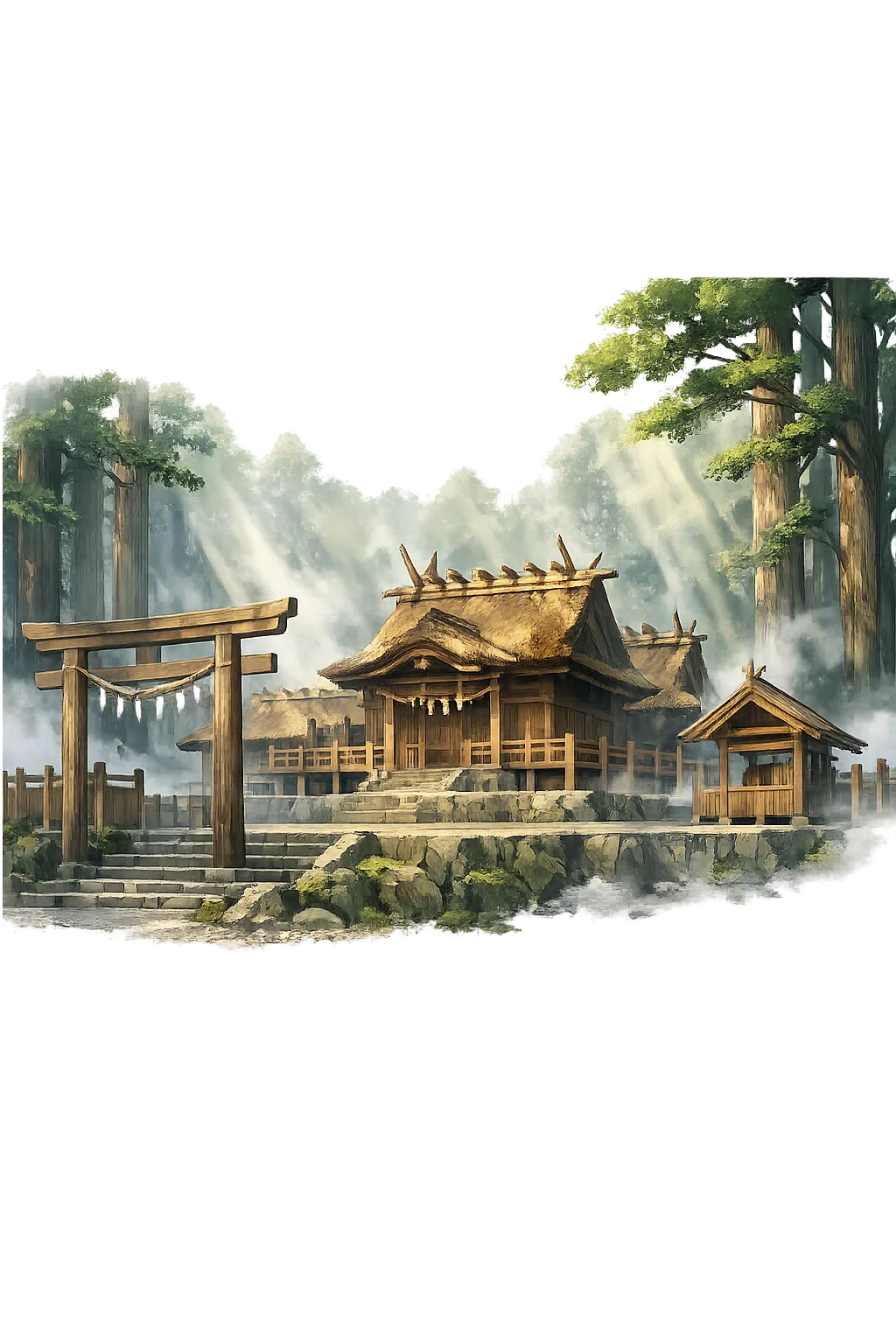
Ise is not merely a place; it is the spiritual center of Shinto and the home of Amaterasu, the sun goddess and ancestor of the imperial house. For more than a thousand years, the Ise Grand Shrine has been rebuilt every twenty years in an unbroken cycle of renewal, making Ise a city where architecture, nature, and divine presence are continuously reborn.

Ise in Later Traditions

Ise has both resisted and absorbed outside influences. It remained the symbolic center of State Shinto in the modern period, yet its rituals and architecture preserve ancient Japanese forms. Buddhist influence was deliberately excluded from the Inner Shrine for long periods, making Ise a stronghold of 'pure' Shinto ideology — even as the broader Shinto tradition was itself shaped by Buddhist and continental models.

Modern Legacy

Ise remains the most sacred destination in Shinto. The Ise-Shima region hosts the G7 summit's shrine visit; the rebuilding ceremonies draw national attention; and the phrase 'Ise ni ichido wa' ('to Ise at least once') still expresses a cultural aspiration. The simple, raised-floor architecture of Ise has influenced modern Japanese design and the global image of Shinto.

Unicode Restoration as Cultural Act

Restoring Ise in a domain name is more than orthographic accuracy. It is a statement that the internet should recognize the full range of human writing — not only the ASCII keyboard.

05

Frequently Asked Questions

Common questions about Ise, Sacred Shrine, and Unicode restoration

01How do you pronounce Ise?

In reconstructed pronunciation, Ise is /i.se/ — approximately 'EE-seh' — two light, even syllables..

02What does Ise mean?

Ise means Ancient province in the japanese tradition.

03What are the symbols of Ise?

Ise is associated with Mirror (The yata no kagami, one of the Three Imperial Regalia, enshrined at Ise), Cypress (hinoki) (The wood from which the shrine buildings are rebuilt every twenty years), Uji Bridge (The bridge over the Isuzu River marking the boundary to the sacred precinct), Shikinen-zōtai (The twenty-year rebuilding cycle that renews the shrine and its implements).

04Why restore Ise in Unicode?

Plain ASCII ise strips the stress, length, and script that make the name specific. Unicode restoration returns the name to its original written dignity.

05What is the most important myth about Ise?

According to tradition, the imperial princess Yamatohime-no-mikoto traveled for twenty years searching for a permanent dwelling for Amaterasu. She finally received an oracle at Ise, where the goddess declared her love for the place. The Inner Shrine was established there, and the imperial house has maintained it ever since.

06

Scholarly Sources

The philological foundations of this restoration

Every claim on this page is grounded in established scholarship. The orthographic restorations follow disciplinary convention. The etymological chain follows the best available reference works. This is not invention — it is resurrection through scholarship.

Lexicography & Philology

  • Kojiki
  • Nihon Shoki

Primary Texts

  • Kojiki and Nihon Shoki (Amaterasu and Yamatohime legends)
  • Engishiki (ritual regulations for Ise)

Archaeology & Art History

  • Material evidence — iconography, inscriptions, and temple archaeology — for Ise and related cults.
  • The Ise Grand Shrine complex includes the Inner Shrine (Kōtai Jingū), Outer Shrine (Gekū), and numerous auxiliary shrines. Archaeological investigations have clarified the shifting locations of successive rebuilding plots and the ancient use of the Isuzu River for ritual purification. The nearby Sengu Museum preserves building models and ritual implements from past rebuildings.

Religious Studies

  • Bocking, A Popular Dictionary of Shinto
Return

The Surface Awaits

You have traced the name from its earliest attestation to its Unicode restoration. Now return to the myth. The story is where the name lives.

Back to Lore
Ise mascot