
The Cult
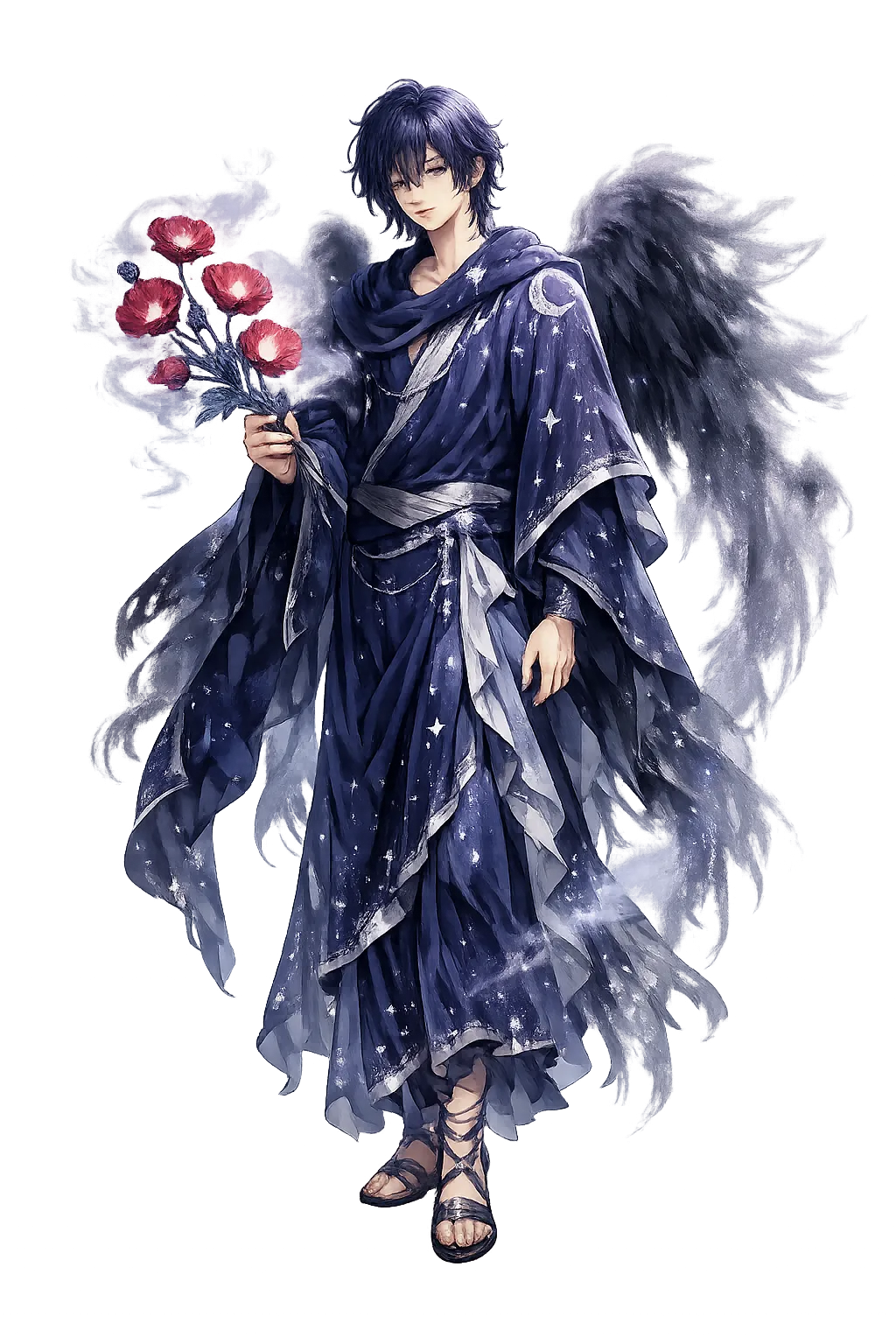
Hypnos drew no temples, festivals, or priesthoods — the evidence for his cult is honestly thin. Greek religion housed its personifications mostly in poetry, and sleep came to every house without an altar. One exception survives: Pausanias (2.31.3) records an altar of Hypnos beside the sanctuary of Aphrodite Akraia at Troezen, a single quiet corner of the Peloponnese where the god could receive offerings. His household is Hesiod’s — a son of Nyx lodged in a house the sun never visits — and Ovid’s palace of Somnus is a literary set-piece, not a pilgrims’ destination. The practical religion of sleep in Greece belonged to household ritual and to the healing sanctuaries whose patients slept for dreams; the god himself simply arrived, on wings, uninvited and unrefusable.