PuniCodex

Extended Lore

八幡 Hachiman

Etymology · Phonology · Orthography · Cultural Legacy · Primary Sources

Tier 2 Hachiman
Hachiman — War, Archery, Protection
01

Quick Facts

Essential information about Hachiman, War, Archery, Protection

Original Script八幡
Unicode RestorationHachiman
Reconstructed Pronunciation/ha.tɕi.ma.ɴ/
PantheonJapanese
DomainWar, Archery, Protection
MeaningEight banners
ClassificationTier 2
Primary DomainHachiman
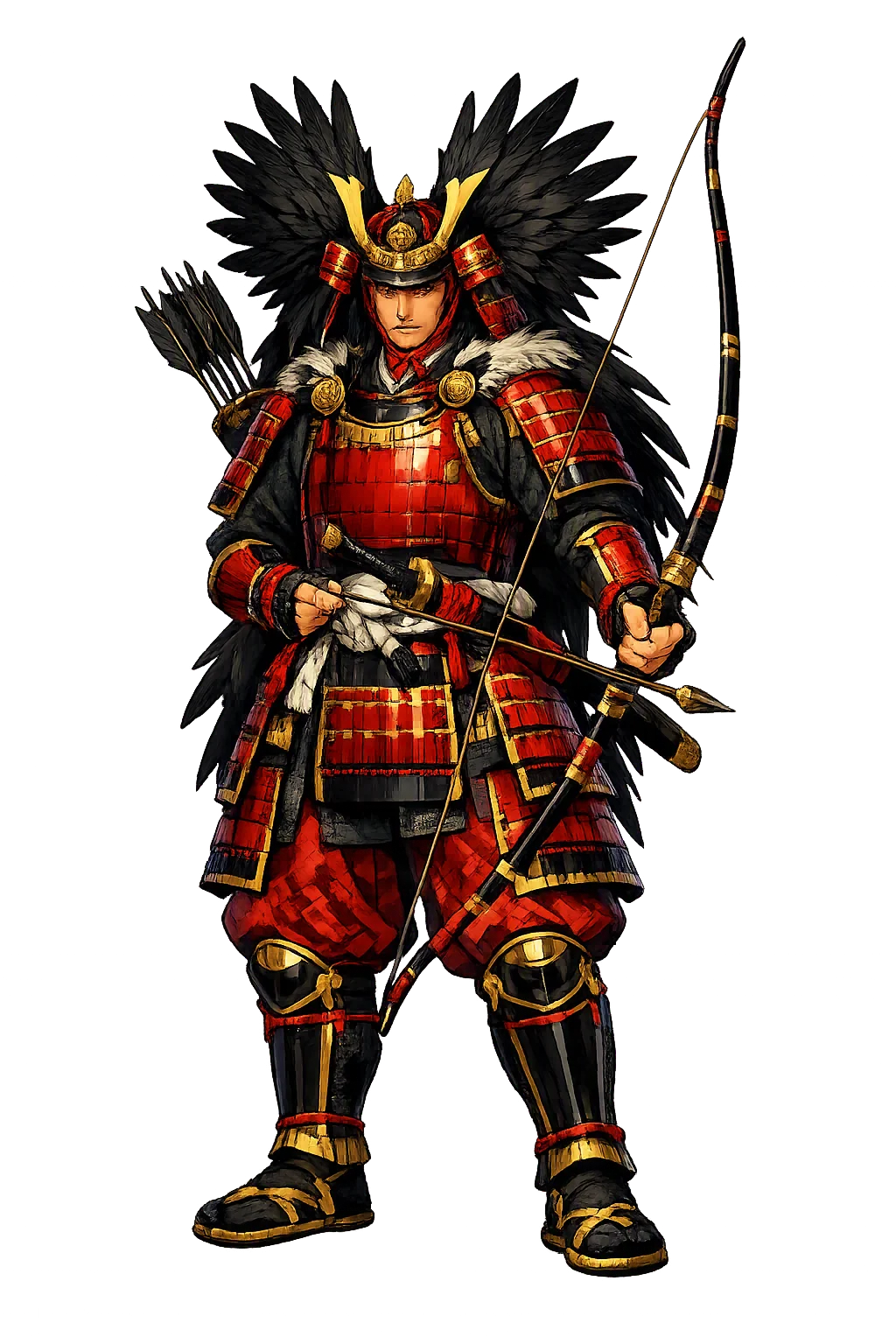
Sacred SymbolsEight banners, Bow and arrow, White dove, Helmet and armor
02

Etymology & Word Family

From original script to Unicode restoration

Original Script 八幡 Hachiman — "Eight banners"
Unicode Restoration Hachiman Restored stress, length, and script
Modern ASCII hachiman Plain-ASCII fallback

Hachiman is Tier 2: the name is plain Hepburn. His importance is institutional and martial, not orthographic.

03

Unicode Character Breakdown

Character-by-character philological analysis

CharacterUnicodeNameBlockPhonetic Role
HU+0048Latin Capital Letter HBasic LatinSame
aU+0061Latin Small Letter ABasic LatinSame
cU+0063Latin Small Letter CBasic LatinSame
hU+0068Latin Small Letter HBasic LatinSame
iU+0069Latin Small Letter IBasic LatinSame
mU+006DLatin Small Letter MBasic LatinSame
aU+0061Latin Small Letter ABasic LatinSame
nU+006ELatin Small Letter NBasic LatinSame

The Tier 2 classification reflects how much of the original phonology this restoration preserves — stress and vowel length for Greek names, distinctive letters and diacritics for every other tradition.

04

Cultural Significance

From ancient cult to modern Unicode

Ancient Domain

Hachiman is the kami of war, archery, and protection, worshipped by samurai, peasants, and emperors alike. His symbol — eight banners (hachi-man) — recalls the standards under which the divine child grew to become a warrior patron. He is one of the most widely enshrined kami in Japan, and his cult blurred the boundary between Shinto and Buddhism for over a millennium.

Hachiman in Later Traditions

Hachiman is the archetype of shinbutsu shūgō, the medieval blending of kami and Buddhist cult. As Emperor Ōjin he is human, ancestral, and imperial; as Hachiman Daibosatsu he is universal, compassionate, and warlike. This double identity made him indispensable to the samurai state and to local communities seeking protection.

Modern Legacy

Hachiman shrines are found throughout Japan, from the great Usa Jingū and Iwashimizu Hachimangū to neighborhood shrines that bear his name. He is the tutelary kami of the Minamoto clan and of countless warrior houses. Sumo, archery, and the martial arts invoke him, and his image appears in festival floats, emblems, and military insignia.

Unicode Restoration as Cultural Act

Restoring Hachiman in a domain name is more than orthographic accuracy. It is a statement that the internet should recognize the full range of human writing — not only the ASCII keyboard.

05

Frequently Asked Questions

Common questions about Hachiman, War, Archery, Protection, and Unicode restoration

01How do you pronounce Hachiman?

In reconstructed pronunciation, Hachiman is /ha.tɕi.ma.ɴ/ — approximately 'HAH-chee-mahn' — the 'ch' is crisp, and the final 'n' is a soft closed nasal..

02What does Hachiman mean?

Hachiman means Eight banners in the japanese tradition.

03What are the symbols of Hachiman?

Hachiman is associated with Eight banners (The ritual standards from which his name derives), Bow and arrow (Attributes of his role as patron of archery and warfare), White dove (His messenger, sometimes said to guide the faithful), Helmet and armor (The martial regalia of the deified warrior).

04Why restore Hachiman in Unicode?

Plain ASCII hachiman strips the stress, length, and script that make the name specific. Unicode restoration returns the name to its original written dignity.

05What is the most important myth about Hachiman?

Emperor Ōjin, the 15th emperor, was posthumously worshipped as Hachiman after his death in the 4th century. The Kojiki and Nihon Shoki describe his mother, Empress Jingū, conquering Korea while pregnant with him; he was born on campaign and grew into a ruler who promoted Korean culture and technology. His deification made him a divine ancestor of war and statecraft.

06

Scholarly Sources

The philological foundations of this restoration

Every claim on this page is grounded in established scholarship. The orthographic restorations follow disciplinary convention. The etymological chain follows the best available reference works. This is not invention — it is resurrection through scholarship.

Lexicography & Philology

  • Hepburn
  • Kojiki

Primary Texts

  • Kojiki and Nihon Shoki (Emperor Ōjin narratives)

Archaeology & Art History

  • Material evidence — iconography, inscriptions, and temple archaeology — for Hachiman and related cults.
  • Usa Jingū in Ōita is Hachiman's head shrine, with a long history documented in shrine records and archaeology. Iwashimizu Hachimangū near Kyōto was built as a guardian shrine for the capital. Tōdai-ji's Hachiman shrine preserves the Buddhist-Shinto synthesis of the Nara period.

Religious Studies

  • Usa Hachiman shrine records
  • Grapard, The Protocol of the Gods
Return

The Surface Awaits

You have traced the name from its earliest attestation to its Unicode restoration. Now return to the myth. The story is where the name lives.

Back to Lore
Hachiman mascot