
The Cult
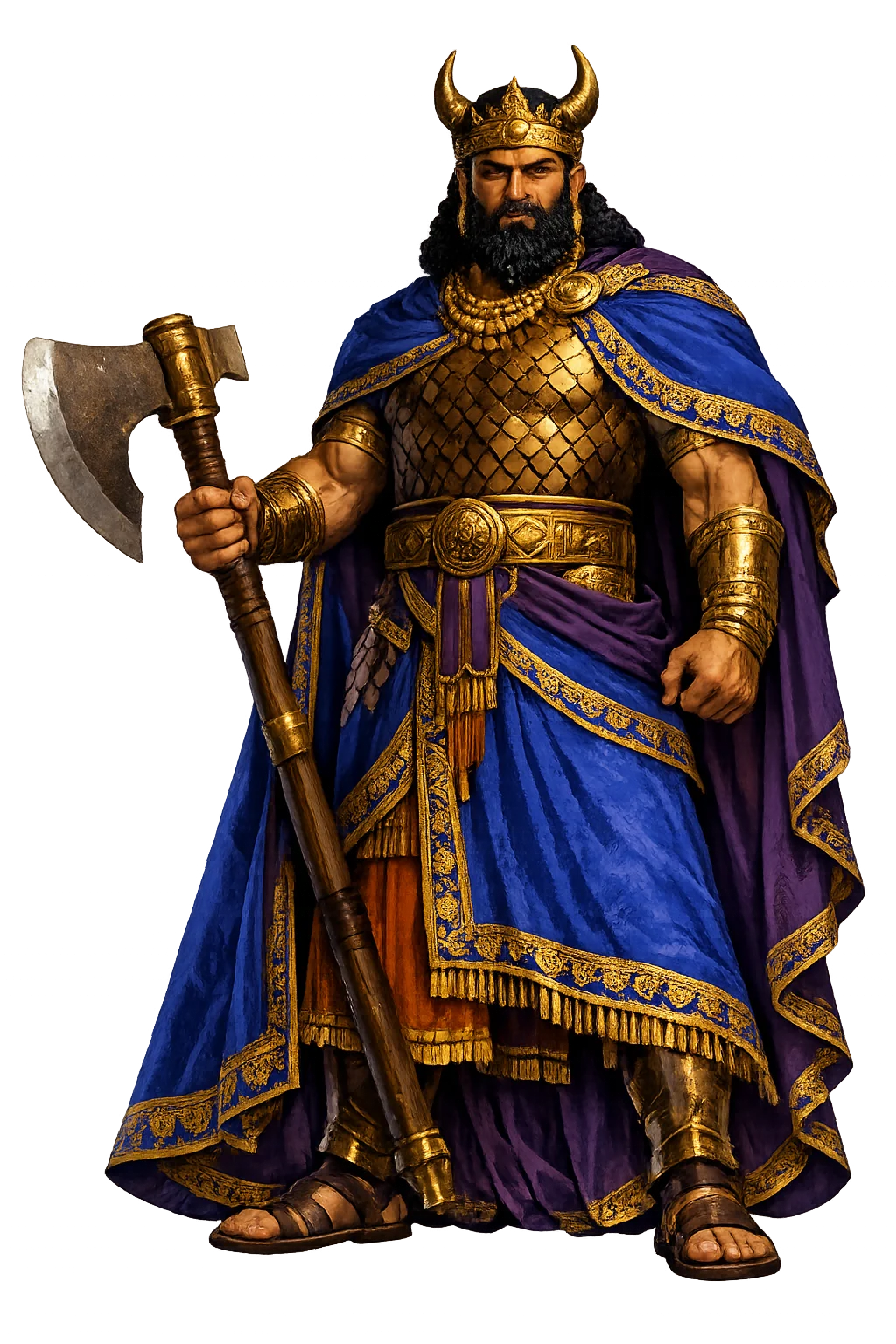
Gilgameš was venerated as a deified king at Uruk, the city he ruled, where Old Babylonian hymns address him as a judge of the netherworld and recipient of offerings. The Sumerian poems already treat him as semi-divine, and later tradition made his tomb a place of wonder — Herodotus and Arabic sources locate a supposed tomb in the walls of Uruk. No continuous living cult survives, but modern Assyriological pilgrimage and Kurdish ritual memory at Qadisiyeh keep his name present. The absence of a monumental temple is typical for Mesopotamian royal hero-cults, which were sustained by royal ancestor offerings and scribal commemoration rather than by a priesthood attached to a single sanctuary.