PuniCodex

Extended Lore

富士 Fuji

Etymology · Phonology · Orthography · Cultural Legacy · Primary Sources

Tier 2 Fuji
Fuji — Sacred Mountain
01

Quick Facts

Essential information about Fuji, Sacred Mountain

Original Script富士
Unicode RestorationFuji
Reconstructed Pronunciation/ɸɯː.dʑi/
PantheonJapanese
DomainSacred Mountain
MeaningWealthy warrior
ClassificationTier 2
Primary DomainFuji
Sacred SymbolsSnow-capped cone, Torii and shrine markers, Crater and rising sun, Pilgrim's staff
02

Etymology & Word Family

From original script to Unicode restoration

Original Script 富士 Fuji — "Wealthy warrior"
Unicode Restoration Fuji Restored stress, length, and script
Modern ASCII fuji Plain-ASCII fallback

Fuji is Tier 2: the name is plain Hepburn. Its sanctity derives from its visual dominance and long religious history, not from distinctive orthography.

03

Unicode Character Breakdown

Character-by-character philological analysis

CharacterUnicodeNameBlockPhonetic Role
FU+0046Latin Capital Letter FBasic LatinSame, capitalized
uU+0075Latin Small Letter UBasic LatinSame
jU+006ALatin Small Letter JBasic LatinSame
iU+0069Latin Small Letter IBasic LatinSame

The Tier 2 classification reflects how much of the original phonology this restoration preserves — stress and vowel length for Greek names, distinctive letters and diacritics for every other tradition.

04

Cultural Significance

From ancient cult to modern Unicode

Ancient Domain

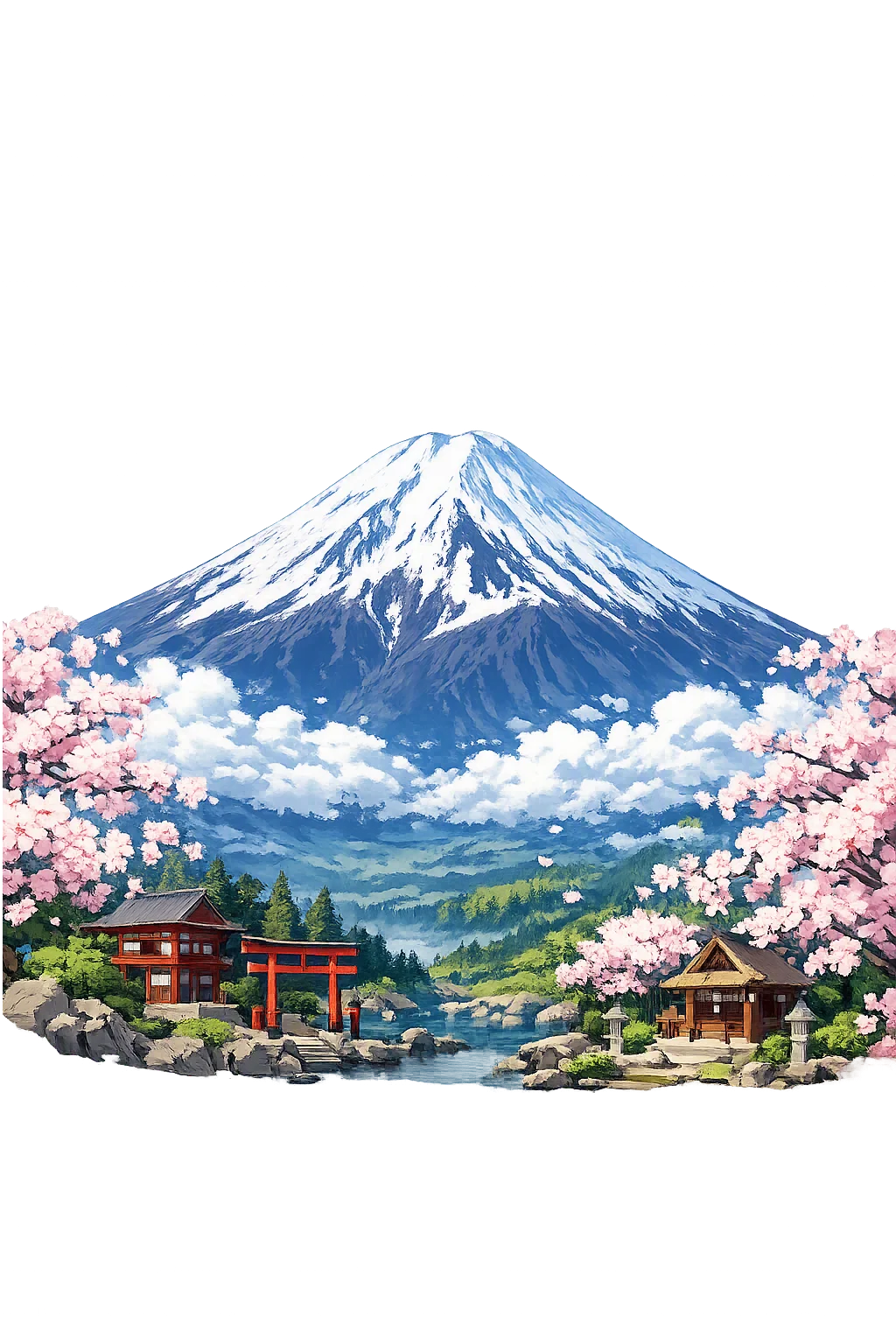
Fuji is more than a mountain. For over a thousand years it has been a volcano god, a Buddhist paradise, a Shinto shrine, and the defining image of Japan. Its nearly perfect cone rises alone above the clouds, visible from the sea and from the great cities of the Kantō plain. Pilgrims have climbed it, poets have praised it, and artists have made its snow-capped form one of the most reproduced images on earth.

Fuji in Later Traditions

Fuji is a palimpsest of religious traditions. Shinto Sengen shrines honor the mountain's volcanic kami; Buddhist Fuji-kō groups climbed it as a mandala; mountain ascetics (yamabushi) used it for training; and modern nationalism turned it into a symbol of the unified nation. After centuries of dormancy, its 1707 eruption reminded the capital that the sacred mountain is still alive.

Modern Legacy

Fuji was designated a UNESCO World Heritage site in 2013 and remains Japan's most photographed and climbed mountain. Its image appears on banknotes, passports, and countless works of art. Each summer thousands climb through the night to greet the sunrise from the summit, continuing a pilgrimage tradition older than the nation itself.

Unicode Restoration as Cultural Act

Restoring Fuji in a domain name is more than orthographic accuracy. It is a statement that the internet should recognize the full range of human writing — not only the ASCII keyboard.

05

Frequently Asked Questions

Common questions about Fuji, Sacred Mountain, and Unicode restoration

01How do you pronounce Fuji?

In reconstructed pronunciation, Fuji is /ɸɯː.dʑi/ — approximately 'FOO-jee' — the first syllable is breezy, with lips nearly touching; the second is quick..

02What does Fuji mean?

Fuji means Wealthy warrior in the japanese tradition.

03What are the symbols of Fuji?

Fuji is associated with Snow-capped cone (The visual form that has made Fuji a universal symbol of Japan), Torii and shrine markers (The network of shrines, especially Sengen shrines, that manage the mountain's cult), Crater and rising sun (The summit caldera and the dawn viewed from it, central to pilgrimage experience), Pilgrim's staff (The walking stick and stamped robe of those who climbed the sacred slopes).

04Why restore Fuji in Unicode?

Plain ASCII fuji strips the stress, length, and script that make the name specific. Unicode restoration returns the name to its original written dignity.

05What is the most important myth about Fuji?

The name Fuji is explained in folk etymology as 'without equal' (fushi) or 'inexhaustible' (fuji). The mountain was long identified with a female kami, the deity of the volcano, and with Sengen Daimyōjin, a syncretic Buddhist-Shinto figure who governed fire and fertility. Its eruptions were interpreted as the anger or fertility of the divine.

06

Scholarly Sources

The philological foundations of this restoration

Every claim on this page is grounded in established scholarship. The orthographic restorations follow disciplinary convention. The etymological chain follows the best available reference works. This is not invention — it is resurrection through scholarship.

Lexicography & Philology

  • Kojiki
  • Nihon Shoki

Primary Texts

  • Kojiki and Nihon Shoki (geographic and kami references)

Archaeology & Art History

  • Material evidence — iconography, inscriptions, and temple archaeology — for Fuji and related cults.
  • Fuji is surrounded by Sengen shrines, of which Fujisan Hongū Sengen Taisha is the head. Medieval and Edo-period pilgrimage routes, lodges, and memorial stones dot the slopes and base. The 1707 Hōei eruption left extensive tephra deposits around the Edo region.

Religious Studies

  • Earhart, Mount Fuji: Icon of Japan
  • Hokusai, Thirty-Six Views of Mount Fuji
Return

The Surface Awaits

You have traced the name from its earliest attestation to its Unicode restoration. Now return to the myth. The story is where the name lives.

Back to Lore
Fuji mascot