
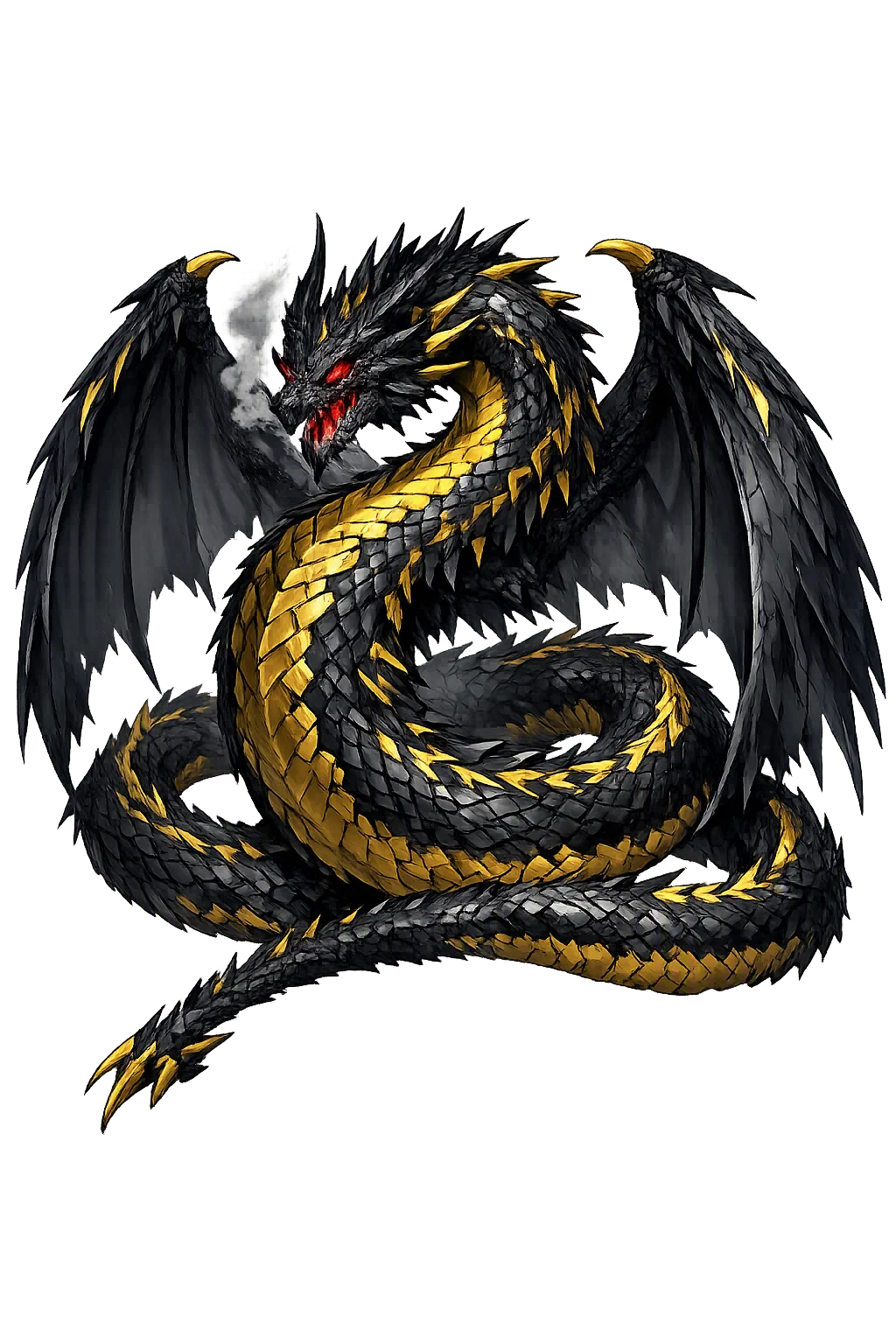
Stress-testing Fáfnir: do the industry seats hold?
The stress test for Fáfnir. Every seat in the atlas was attacked with the same question — is the match real, or is it poetry? — and the survivors are recorded with their evidence.
At a Glance
- Temple: Fáfnir
- Pantheon: Norse
- Domain of influence: Dwarf turned Dragon
- Pattern seats: 4
- Sectors touched: Culture & Entertainment · Commerce & Governance
- Strongest seat: Gaming, Fantasy & Entertainment IP
- Series: The Resonance Files, No. 154 of 546
The Test
Seat 1: Gaming, Fantasy & Entertainment IP
Claim: The hoard-guarding dragon of the Vǫlsunga cycle — Wagner's Ring and Tolkien's Smaug both descend from him; every treasure-vault boss in the genre is his descendant. Exhibit: The Weregild of Ótr — Óðinn, Hœnir, and Loki came traveling to a waterfall where an otter sat eating a salmon, half-asleep.
Verdict: holds under load. The correspondence is functional, not decorative.
Seat 2: Finance, Wealth & Commerce
Claim: The cursed hoard of Andvari is greed made plot — the gold that buys kingdoms and kills its owners; finance's oldest cautionary tale wears his coils. Exhibit: The Patricide of Gnitaheiðr — Fáfnir and Reginn demanded the blood-gold from their father as their share after Ótr.
Verdict: holds under load. The correspondence is functional, not decorative.
Seat 3: Music, Arts & Performance
Claim: Wagner casts him as the giant-turned-dragon of Siegfried; the greatest cycle in opera is partly his story. Exhibit: The Strike from Beneath — Reginn forged for Sigurðr the sword Gramr, so keen it sheared a lock of wool drifting down the Rhine and split Reginn's anvil in two.
Verdict: stands. Strip both to their function and the functions match.
Seat 4: Writing, Publishing & Media
Claim: The Vǫlsunga saga and the Nibelungenlied are the heroic literature of the North — and he is their dragon. Exhibit: The Weregild of Ótr — Óðinn, Hœnir, and Loki came traveling to a waterfall where an otter sat eating a salmon, half-asleep.
Verdict: stands. Strip both to their function and the functions match.
The Control Group
Against the seats that survived, one control: the temple's own summary of its figure — Fáfnir is the dragon at the hinge of the Vǫlsung cycle — born the son of Hreiðmarr, remade by greed into the serpent of Gnitaheiðr, and slain by Sigurðr in the scene on which the whole heroic tragedy turns, when the cursed gold of Andvari changed hands and the curse changed hands with it. The seats do not drift far from it. That is the audit's cleanest result.
The Method, Stated Plainly
The atlas is not a horoscope. Seats are earned from the sources — argued, weighted, published — and every one of them can be challenged at the methodology page. A match that cannot survive an argument does not survive review. That is the whole trick: the patterns are claims, and claims can be tested.
For the Ones Who Work There
For a sponsor in gaming, fantasy & entertainment ip, the fit here is not adjacency — it is inheritance. Your trade already tells this story every working day; the temple simply holds the original. The patron tier and the advertising terms carry the mechanics; the myths above carry the reason.
The File Continues
This is one of 546 Resonance Files — the third dispatch from every flagship temple, where the myths meet the markets. The temple's founding dispatch tells the name's story; its Restoration File tells the spelling's; the blog index holds the whole archive.
Continue the series — previous: Eurṓpē (read it) · next: Fenrir (read it).
The Resonance Files are argued from the same canonical record as the pattern atlas itself: the lexicon, the lore catalog, and the cited sources. Every seat can be challenged at the methodology page — and the challenge is the point.