PuniCodex

Extended Lore

π’‚—π’† π’„­ Enkidu

Etymology Β· Phonology Β· Orthography Β· Cultural Legacy Β· Primary Sources

Tier 2 Enkidu
Enkidu β€” Wild Man, Hero
01

Quick Facts

Essential information about Enkidu, Wild Man, Hero

Original Scriptπ’‚—π’† π’„­
Unicode RestorationEnkidu
Reconstructed Pronunciation/ˈen.ki.du/
PantheonMesopotamian
DomainWild Man, Hero
MeaningLord of the pleasant place
ClassificationTier 2
Primary DomainEnkidu
Sacred SymbolsClay body, Animal pelts and long hair, Watering hole, Cedar door, Bull's thigh
02

Etymology & Word Family

From original script to Unicode restoration

Original Script π’‚—π’† π’„­ Enkidu β€” "Lord of the pleasant place"
Unicode Restoration Enkidu Restored stress, length, and script
Modern ASCII enkidu Plain-ASCII fallback

Enkidu is Tier 2: the canonical form preserves only the plain Latin alphabet with initial capitalization. The cuneiform source gives no reliable vowel length or distinctive phoneme that can be registered in Unicode, and no diacritic or special letter is philologically defensible for the primary restoration. The name is therefore presented in its simplest readable form.

03

Unicode Character Breakdown

Character-by-character philological analysis

CharacterUnicodeNameBlockPhonetic Role
EU+0045Latin Capital Letter EBasic LatinSame, capitalized
nU+006ELatin Small Letter NBasic LatinSame
kU+006BLatin Small Letter KBasic LatinSame
iU+0069Latin Small Letter IBasic LatinSame
dU+0064Latin Small Letter DBasic LatinSame
uU+0075Latin Small Letter UBasic LatinSame

The Tier 2 classification reflects how much of the original phonology this restoration preserves β€” stress and vowel length for Greek names, distinctive letters and diacritics for every other tradition.

04

Cultural Significance

From ancient cult to modern Unicode

Ancient Domain

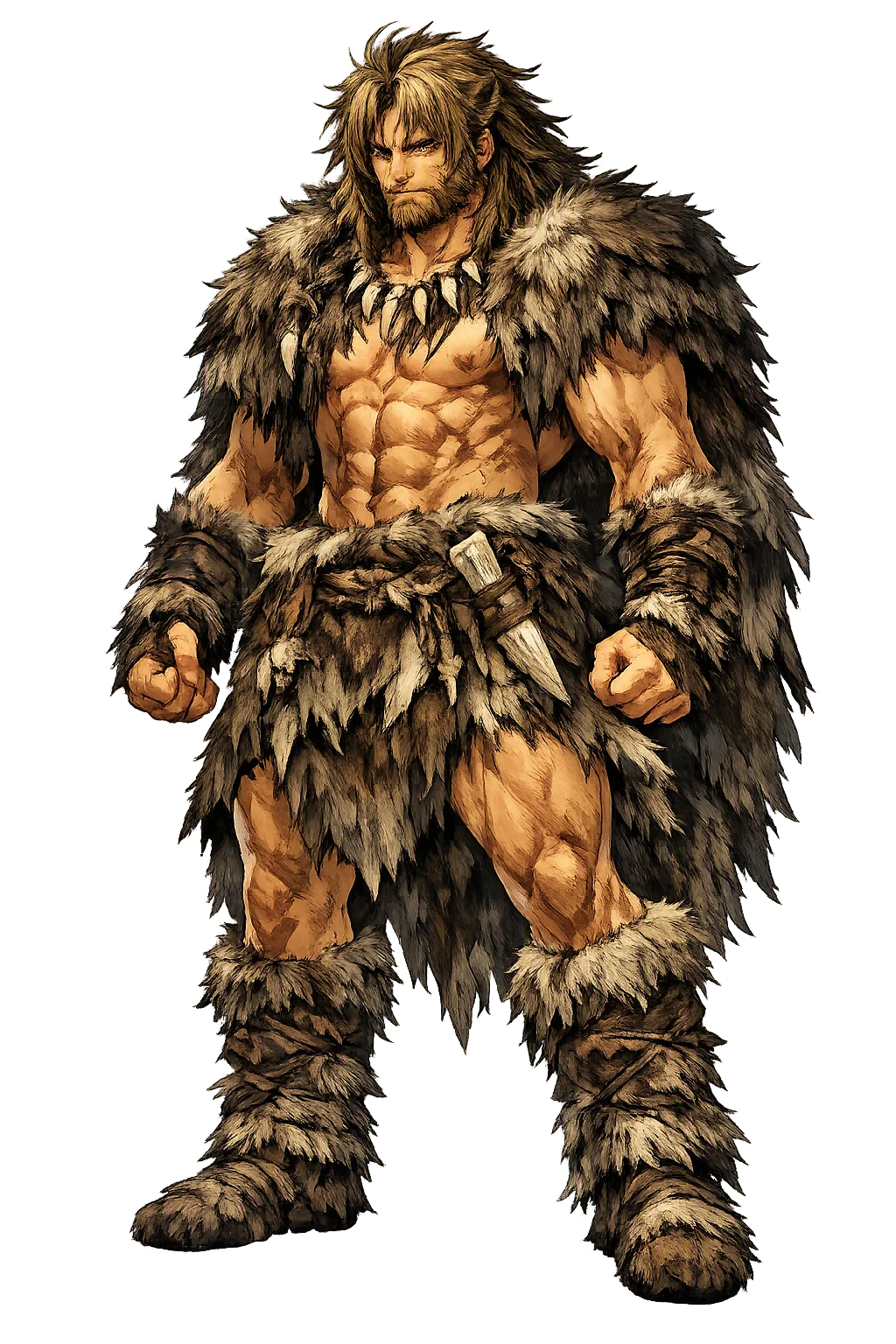
Enkidu is the man who began as a beast and became a brother. Molded from clay by the goddess Aruru, he ran with gazelles, drank at the watering hole, and broke the traps of the hunters until a woman taught him to be human. His friendship with Gilgamesh is the pivot on which the Mesopotamian epic turns: it transforms a tyrant into a seeker, and it ends with the first great lament for a dead friend in world literature.

Enkidu in Later Traditions

Enkidu has no direct counterpart in later pantheons because he is not a god but a literary figure. Yet his type β€” the wild man civilized by love and friendship β€” recurs across cultures: the Greek Daphnis, the Roman Silvanus, medieval wild men of the woods, and the noble savage of Enlightenment thought. In the Epic he is sometimes read as Gilgamesh's alter ego or double, the instinctive self that the king must integrate. Some scholars compare him to the biblical Adam formed from dust, though the parallels are thematic rather than genetic.

Modern Legacy

Enkidu is one of the oldest fully realized characters in literature. He gives the Epic of Gilgamesh its emotional engine: not the quest for immortality, but the love between two men and the grief of separation. In modern retellings β€” novels, films, comics, games, and role-playing settings β€” he appears as the wild companion, the voice of conscience, and the sacrifice whose death launches the hero's final trial. His trajectory from beast to beloved remains a template for stories about humanization, friendship, and loss.

Unicode Restoration as Cultural Act

Restoring Enkidu in a domain name is more than orthographic accuracy. It is a statement that the internet should recognize the full range of human writing β€” not only the ASCII keyboard.

07

Screen Appearances

Films, series, animations, and games featuring Enkidu

05

Frequently Asked Questions

Common questions about Enkidu, Wild Man, Hero, and Unicode restoration

01How do you pronounce Enkidu?

In reconstructed pronunciation, Enkidu is /ˈen.ki.du/ β€” approximately 'EN-kee-doo' β€” three light syllables with even stress; the name has no surviving pitch or length mark in the cuneiform sources..

02What does Enkidu mean?

Enkidu means Lord of the pleasant place in the mesopotamian tradition.

03What are the symbols of Enkidu?

Enkidu is associated with Clay body (His origin from the goddess's hands; humanity as shaped earth), Animal pelts and long hair (The wild state before Shamhat's civilizing touch), Watering hole (The place where wild and civilized meet; the site of his first seduction and first separation from nature), Cedar door (The timber he and Gilgamesh bring from the Cedar Forest; victory and hubris together), Bull's thigh (The insult Enkidu hurls at Ishtar after killing the Bull of Heaven).

04Why restore Enkidu in Unicode?

Plain ASCII enkidu strips the stress, length, and script that make the name specific. Unicode restoration returns the name to its original written dignity.

05What is the most important myth about Enkidu?

When the people of Uruk cry out against Gilgamesh's tyranny, the gods instruct the birth-goddess Aruru to create a rival. She washes her hands, pinches off a lump of clay, and throws it into the wilderness. Thus Enkidu is born β€” a hairy wild man, covered with hair like an animal, ignorant of people and bread, drinking from the water-holes with the gazelles (Epic of Gilgamesh, Tablet I; cf. Sumerian Bilgames and the Netherworld, ETCSL 1.8.1.4).

06

Scholarly Sources

The philological foundations of this restoration

Every claim on this page is grounded in established scholarship. The orthographic restorations follow disciplinary convention. The etymological chain follows the best available reference works. This is not invention β€” it is resurrection through scholarship.

β—ˆ

Lexicography & Philology

  • Epic of Gilgamesh
  • Black-Green
β—Ž

Primary Texts

  • Epic of Gilgamesh (Standard Babylonian version, Tablets I–VIII)
β—‰

Archaeology & Art History

  • Material evidence β€” iconography, inscriptions, and temple archaeology β€” for Enkidu and related cults.
  • The Standard Babylonian Epic of Gilgamesh is preserved on tablets from Nineveh's Library of Ashurbanipal (British Museum K.3375 and related fragments), from Hattusa, Uruk, Sippar, and Babylon. Older Sumerian poems about Bilgames and his companion come from Nippur and Ur. Representations of the hero and his animal companion appear on cylinder seals and reliefs, though no image can be securely identified as Enkidu rather than another hairy hero or demon.
✦

Religious Studies

  • ETCSL β€” Electronic Text Corpus of Sumerian Literature
  • CAD (Chicago Assyrian Dictionary)
  • Black & Green, Gods, Demons and Symbols of Ancient Mesopotamia
  • George, The Babylonian Gilgamesh Epic: Introduction, Critical Edition and Cuneiform Texts
  • Foster, Before the Muses: An Anthology of Akkadian Literature
  • Jacobsen, The Treasures of Darkness
  • Tigay, The Evolution of the Gilgamesh Epic
  • Sumerian poem 'Bilgames and the Netherworld' (ETCSL 1.8.1.4)
  • Sumerian poem 'Bilgames and Huwawa' / 'Gilgamesh and Humbaba' (ETCSL 1.8.1.5)
Return

The Surface Awaits

You have traced the name from its earliest attestation to its Unicode restoration. Now return to the myth. The story is where the name lives.

Back to Lore
Enkidu mascot