
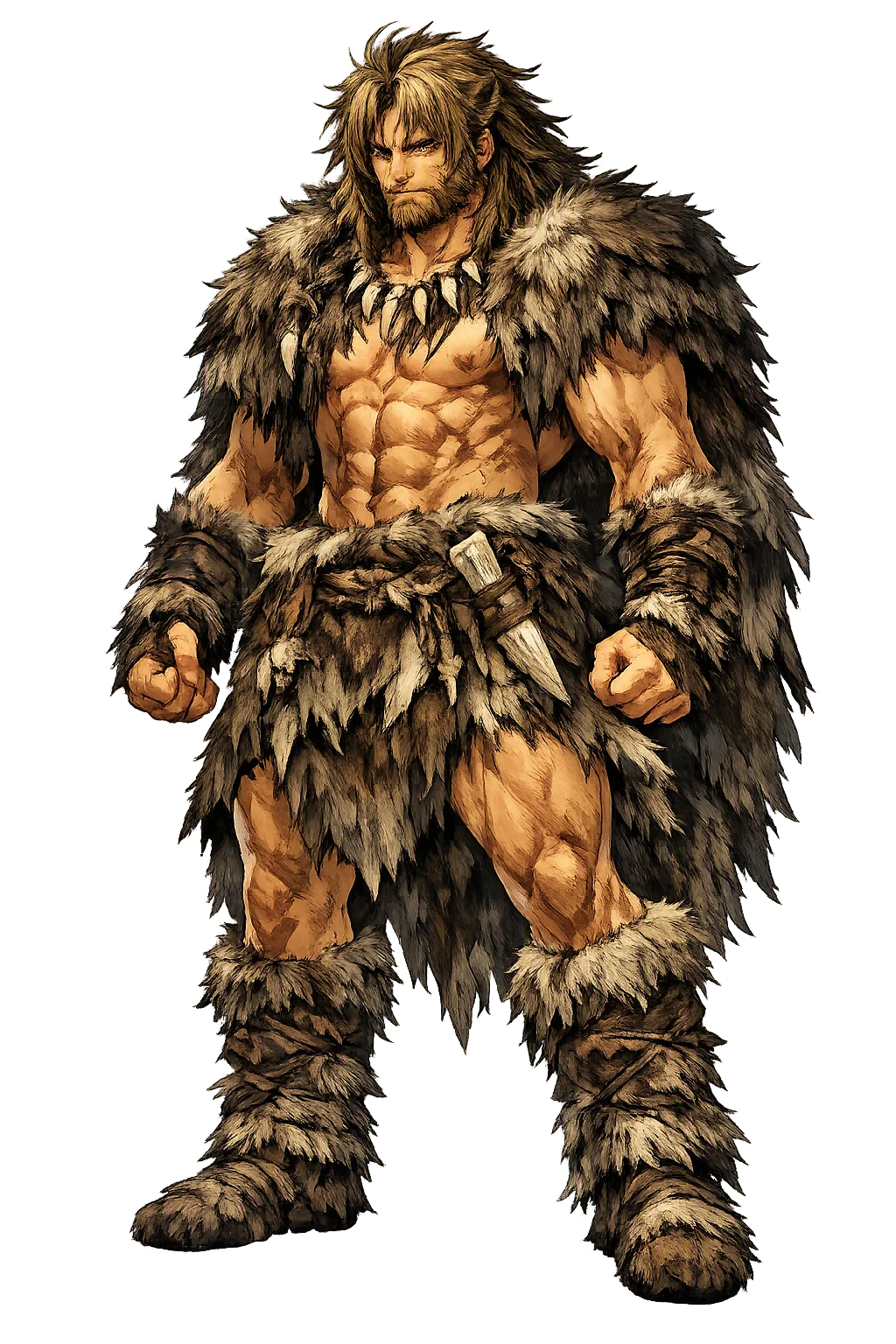
The Cult
Enkidu was never worshipped, and honesty begins there: he is a figure of literature, not cult, and the cuneiform record offers him no sanctuary, festival, priesthood, or offering list. The epic itself marks the boundary — at his death the narrative turns to funeral, with Gilgamesh's great lament of Tablet VIII and its catalogue of grave-goods the closest we come to ritual text. The Sumerian poem Bilgames and the Netherworld even stages a necromancy: Enkidu's ghost rises through a hole in the earth to speak with his friend, a scene that mirrors attested Mesopotamian practice of pouring funerary offerings down to the dead. His companion Gilgamesh, by contrast, did receive posthumous veneration as a judge of the underworld. Enkidu remained what he was in life: the mortal half of the pair.