
ART OF Ēl
Every visual thread of Ēl in one room — the temple's curated historical gallery, the house's Commons studies, and the Creatives marketplace as it opens.

Temple Gallery
Gilded bronze statuette of the seated Canaanite god El, from Ugarit (Ras Shamra), Syria; Late Bronze Age, c
commons.wikimedia.org · CC BY-SA 4.0

Temple Gallery
Late Bronze Age bronze statuette of El covered with gold foil, discovered in Ugarit; National Museum of Damascus, inv
commons.wikimedia.org · CC0

Temple Gallery
Bronze statuette of El covered with gold leaf, from the fortress temple at Megiddo, Stratum VII, Late Bronze II, c
commons.wikimedia.org · CC0

Temple Gallery
Ugaritic tablet "The Birth of the Gods, Gracious and Beautiful" (AO 17189), alphabetic cuneiform from Ras Shamra, c
commons.wikimedia.org · CC BY-SA 2.0 fr

Temple Gallery
Ugaritic cuneiform abecedarium tablet (AO 19992) from Ras Shamra, c
See source
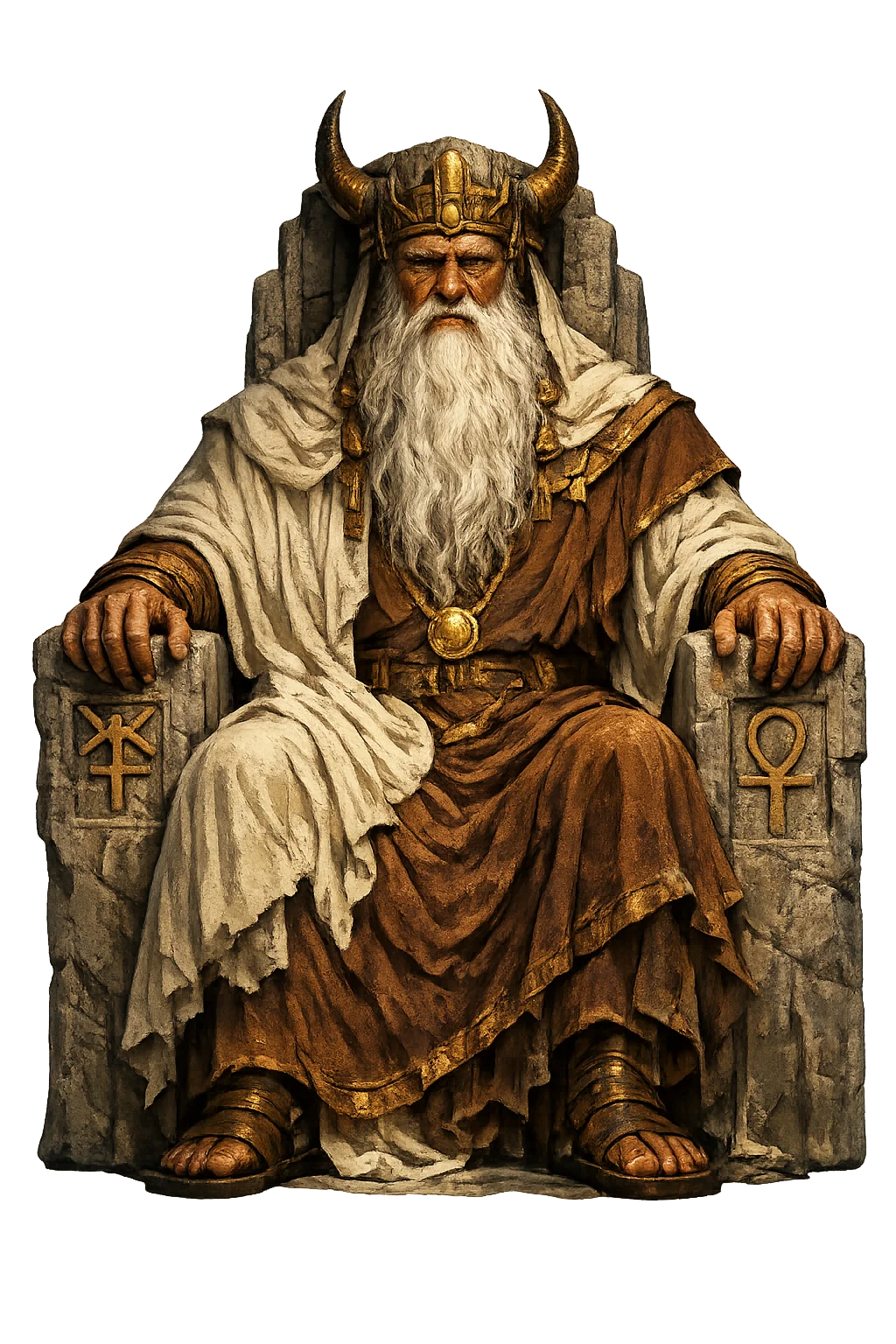
The Commons · current
Ēl — current mascot
CC BY 4.0 · attribution required
Temple Gallery
Gilded bronze statuette of the seated Canaanite god El, from Ugarit (Ras Shamra), Syria; Late Bronze Age, c
commons.wikimedia.org · CC BY-SA 4.0
Temple Gallery
Late Bronze Age bronze statuette of El covered with gold foil, discovered in Ugarit; National Museum of Damascus, inv
commons.wikimedia.org · CC0
Temple Gallery
Bronze statuette of El covered with gold leaf, from the fortress temple at Megiddo, Stratum VII, Late Bronze II, c
commons.wikimedia.org · CC0
Temple Gallery
Ugaritic tablet "The Birth of the Gods, Gracious and Beautiful" (AO 17189), alphabetic cuneiform from Ras Shamra, c
commons.wikimedia.org · CC BY-SA 2.0 fr
Temple Gallery
Ugaritic cuneiform abecedarium tablet (AO 19992) from Ras Shamra, c
See source
✦
The Creatives room for Ēl is being gathered.
Student and independent artists will license mythological work here — credited always, paid properly.
Open to university creators first: the university door →
The Commons · current
Ēl — current mascot
CC BY 4.0 · attribution required