
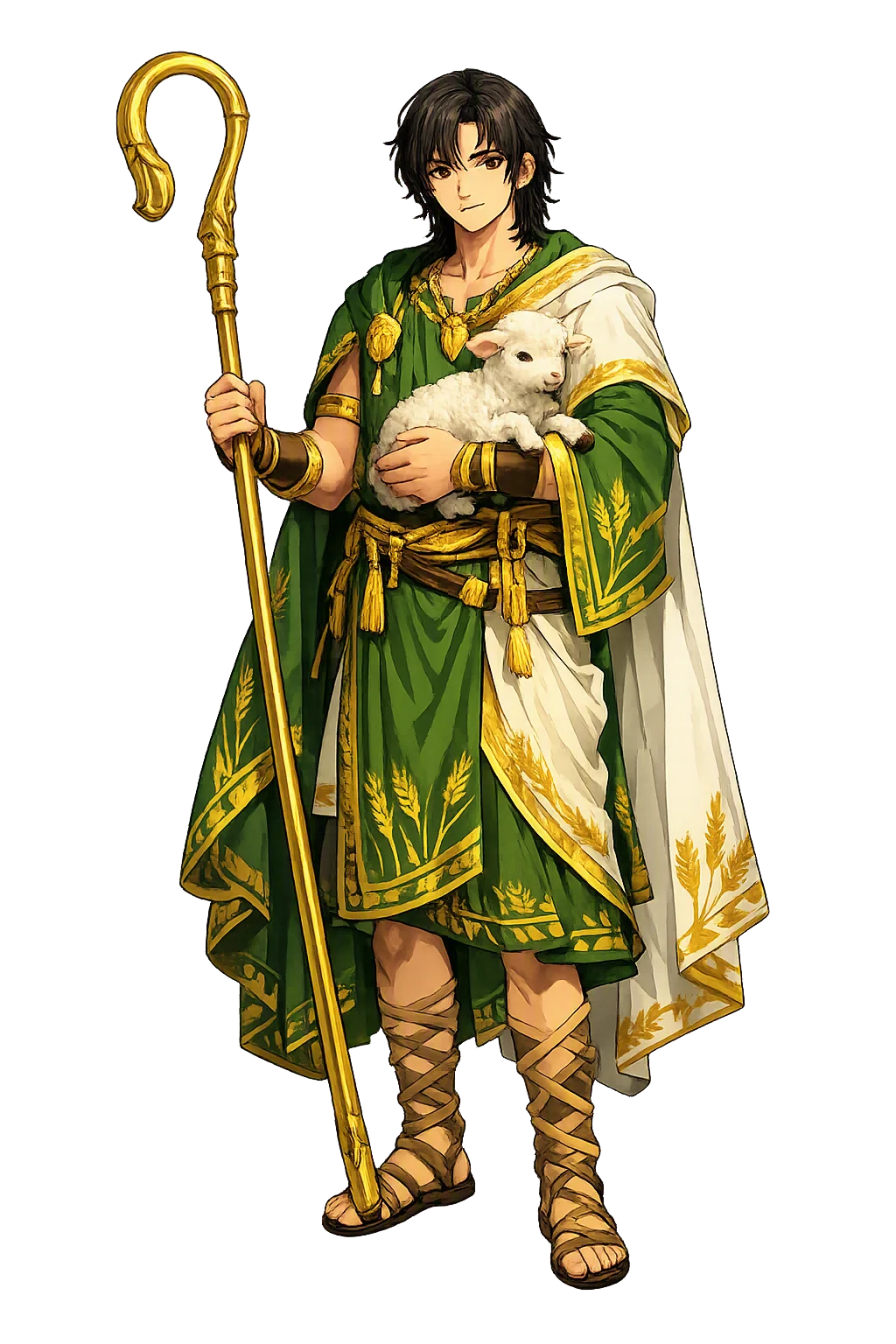
The Cult
Dumuzid's worship was love, marriage, and mourning on a calendar. His city was Bad-tibira — the Sumerian King List names him its shepherd-king — and hymns praise his house there and the freshwater form Dumuzi-abzu at Kinunir near Eridu. The cult's bright pole was the sacred marriage: at Uruk's New Year rites the king enacted the bridegroom's role beside Inanna's priestess, and the bridal songs sung for that rite survive by the dozen, among the oldest liturgical love poetry in the world. Its dark pole was the fourth month, Du'uzu, when the god's death was mourned: professional lamenters, the gala, sang the weeping for Dumuzi while women scratched their cheeks at the gates — a rite Ezekiel 8:14 still saw practised in Jerusalem's temple porch some six centuries after Sumer fell. No excavated temple can securely be called his own; the evidence is the tablet corpus of laments and love songs from Nippur, Ur, and Uruk, copied for two thousand years.