
The Cult
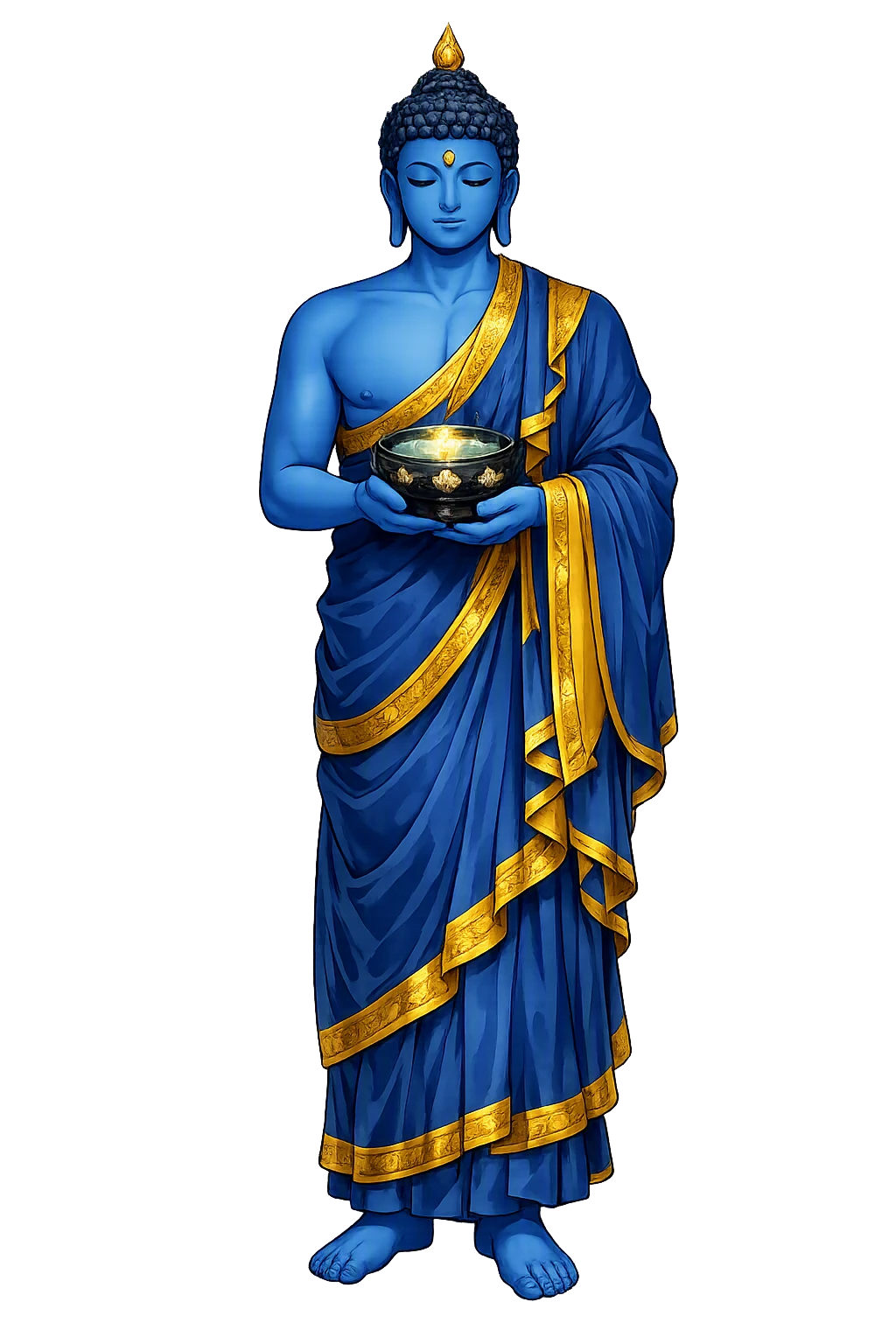
The Medicine Buddha's cult is liturgy before architecture. Its charter is the sūtra's own program — keep the precepts, feed the hungry, clothe the naked, heal the sick — which translated in practice into the healing rite that East Asian Buddhism still performs. In Japan the yaksa-je has monks chant the sūtra and the Buddha's name over the afflicted, and it remains on temple calendars; Korea keeps the same rite; Tibet wove him into the practice of medicine itself, where the physician works as his delegate. Dunhuang's manuscript library preserves the cult's everyday documents — copies of the sūtra dedicated by named donors for the recovery of named patients, a thousand-year file of illness and vow. The great healing temples — Nara's Yakushi-ji first among them — anchored the rite in architecture and gave it a setting worthy of a buddha who, by his own vow, ranks the body above metaphysics. There is no priesthood peculiar to him, which is rather the point: healing as the common property of the saṅgha.