PuniCodex

Extended Lore

Ἀτλαντίς Atlantís

Etymology · Orthography · Cult · Iconography · Reception · Sources

Tier 2 Atlantís.com
Atlantís — Lost Island, Legendary Realm, Sea
01

Quick Facts

Essential information about Atlantís, Lost Island, Legendary Realm, Sea

Original ScriptἈτλαντίς
Unicode RestorationAtlantís
Reconstructed Pronunciation/at.lan.tís/
PantheonGreek Location
DomainLost Island, Legendary Realm, Sea
MeaningDaughter of Atlas; the legendary lost island civilization
ClassificationTier 2
Primary DomainAtlantís.com
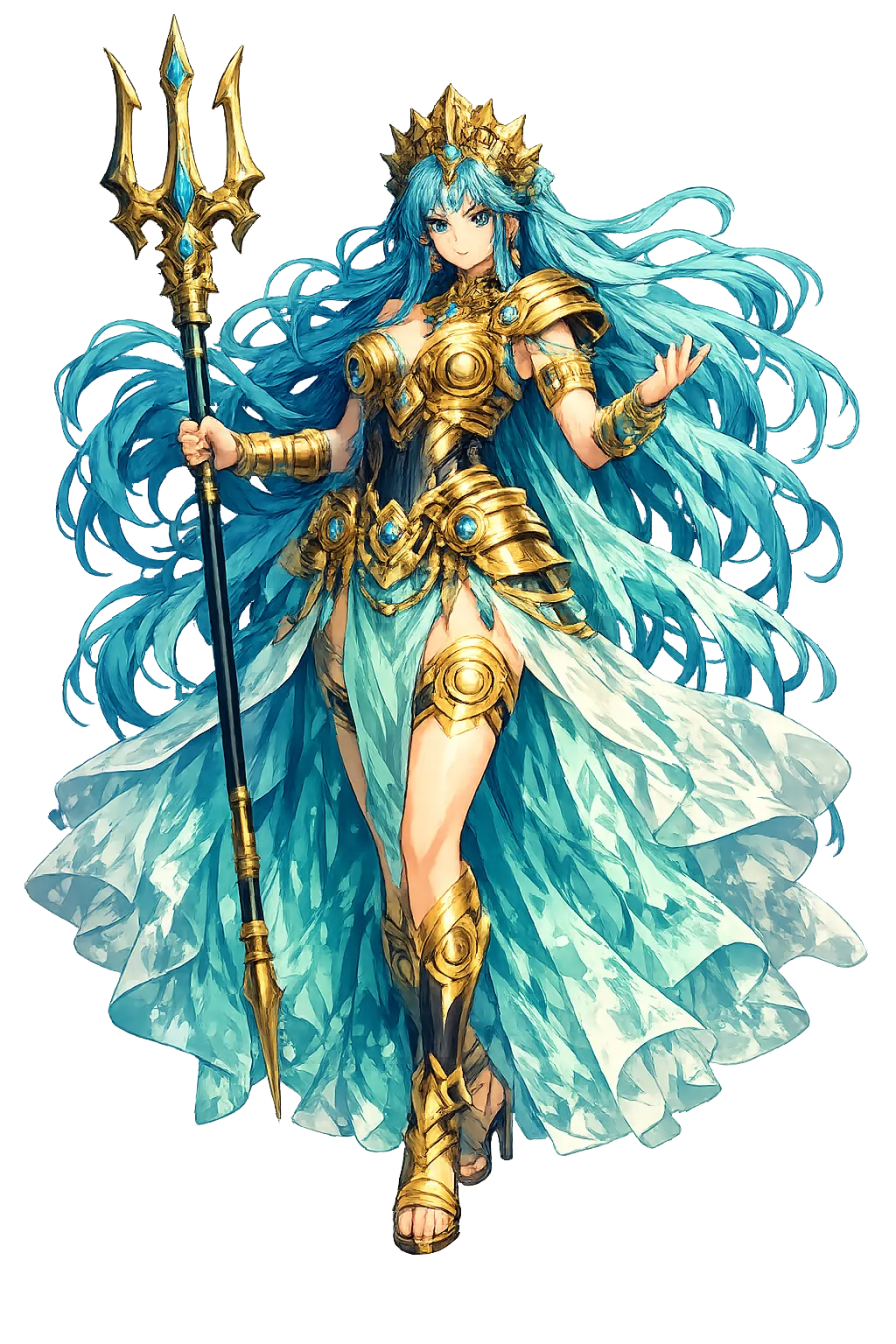
Sacred SymbolsConcentric rings of land and water, Poseidon's trident, Orichalcum, Sinking temple
02

Etymology & Word Family

From original script to Unicode restoration

Proto-indo-european *tl̥-n-h₂ to bear, uphold
Original Script Ἀτλαντίς Atlantís — "Daughter of Atlas; the legendary lost island civilization"
Unicode Restoration Atlantís Restored stress, length, and script
Modern ASCII atlantis Plain-ASCII fallback

From Atlas (Ἄτλας), the Titan who holds up the heavens; Atlantis is "the island of Atlas."

03

Unicode Character Breakdown

Character-by-character philological analysis

CharacterUnicodeNameBlockPhonetic Role
AU+0041Latin Capital Letter ABasic LatinSame, capitalized
tU+0074Latin Small Letter TBasic LatinSame
lU+006CLatin Small Letter LBasic LatinSame
aU+0061Latin Small Letter ABasic LatinSame
nU+006ELatin Small Letter NBasic LatinSame
tU+0074Latin Small Letter TBasic LatinSame
íU+00EDLatin Small Letter I with AcuteLatin-1 SupplementAcute on iota
sU+0073Latin Small Letter SBasic LatinSame

The Tier 2 classification reflects how much of the original phonology this restoration preserves — stress and vowel length for Greek names, distinctive letters and diacritics for every other tradition.

04

Cult & Worship

How the sacred was kept — rites, sanctuaries, remains

The Cult

No one ever sacrificed to Atlantis. No altar, festival, or priesthood of the island is attested anywhere in antiquity — not even the ancient readers who believed the tale historical built it rites; they searched for its ruins instead. What cult Atlantis has exists only inside Plato's text: in the Critias its ten kings assemble alternately every five and six years at the sanctuary of Poseidon and Atlas in the citadel's innermost ring, hunt a bull with staves and nooses, and at midnight over its blood swear their oaths of kingship upon a stele inscribed with Poseidon's laws (Critias 119d–120c). Plato invents this calendar with antiquarian precision — the alternating five- and six-year cycle borrows real Greek time-reckoning — precisely so that the kings' later impiety reads as a betrayal of genuine ritual order.

In the Earth

No archaeological site has been convincingly identified with Plato's Atlantis. The story has inspired searches at Santorini (Thera), the Spartel Bank, Andalusia, and elsewhere, but these remain speculative. The material legacy of Atlantis is therefore literary and cultural: Plato's dialogues, later ancient geographies, and two millennia of subsequent interpretation, art, and pseudo-archaeology.

05

Iconography

How Atlantís was imaged across the ages

The Image

Atlantis left no ancient image. No vase, mosaic, gem, or wall-painting from any period shows the ringed island; antiquity pictured it only in words — concentric belts of land and sea, walls flashing with orichalcum (Critias 113d), and at the center a sanctuary of Poseidon roofed in ivory and gold. The visual tradition begins late. Renaissance cartographers and frontispiece artists sketched the ringed city as a diagram of utopia, and the most famous early image is Athanasius Kircher's map in Mundus Subterraneus (1665), which calmly marks 'site of Atlantis' in the Atlantic between Spain and the Americas. Every later rendering — the drowned colonnades of Romantic painting, the glass-domed cities of illustration — descends from those early modern engravings, not from any ancient original.

06

Reception & Transformation

The name after its own age — transmission, translation, survival

Afterlives

Atlantis survived its own author by sheer stubbornness. Later tradition credits Aristotle with the verdict that the man who dreamed the island also sank it, while Crantor, Plato's first commentator, believed it and claimed — Proclus reports — that the tale was inscribed on pillars in Egypt. Posidonius judged it fiction, as Strabo records, and the Latin translation of the Timaeus by Calcidius (c. 321 CE) carried the story, rings and all, into the medieval monasteries of the West. The Renaissance recovery of Plato fed an early-modern industry: Olaus Rudbeck devoted two volumes (1679–1702) to proving Atlantis was Sweden. Ignatius Donnelly's Atlantis: The Antediluvian World (1882) then launched modern pseudo-archaeology, while serious scholarship — Pierre Vidal-Naquet's classic study — treats the island as philosophical fiction. The twentieth century moved the search underwater: the eruption of Thera, proposed by K. T. Frost in 1909 and championed by Spyridon Marinatos, remains the most respectable memory behind the myth. Every age rebuilds the island in its own image — which was Plato's point.

Identifications Across Traditions

Plato's Atlantis may draw on memories of the Minoan eruption on Thera, the Bronze Age collapse, or Egyptian traditions of the distant west. It has been identified with Tartessos, Santorini, Malta, and countless other places. In Renaissance and modern times it became a blank screen for utopian, occult, and pseudo-historical speculation. The name 'Atlantic Ocean' comes from the same Atlas root.

Modern Legacy

Atlantis is the most influential fictional civilization in Western history. It appears in novels, films, comics, and New Age belief as a symbol of lost wisdom, advanced technology, and catastrophic hubris. The story warns every empire: greatness does not exempt a civilization from destruction. It also fuels endless real-world searches, proving that a well-told lie can outlive many truths.

07

The Meditation

What Atlantís means — beyond the dictionary

Atlantis is the myth that we want to be true. It promises that somewhere, once, people knew more than we do — and that their knowledge sleeps beneath the waves, waiting to be recovered. That desire says less about history than about our own dissatisfaction with the present.

But Plato's lesson is moral, not archaeological. Atlantis falls not because it lacks power but because it loses virtue. The city of rings becomes a city of greed. The myth asks every civilization: What are you becoming while you grow? If the answer is 'more like Atlantis,' the sea is already rising.

08

Frequently Asked Questions

Common questions about Atlantís, Lost Island, Legendary Realm, Sea, and Unicode restoration

01How do you pronounce Atlantís?

In reconstructed pronunciation, Atlantís is /at.lan.tís/ — approximately 'at-lahn-TEES' — the final syllable carries the acute, marking the stress.

02What does Atlantís mean?

Atlantís means Daughter of Atlas; the legendary lost island civilization in the greek-location tradition.

03What are the symbols of Atlantís?

Atlantís is associated with Concentric rings of land and water (The engineered geography of the Atlantean capital), Poseidon's trident (The island's divine patron and the instrument of its destruction), Orichalcum (The legendary precious metal of Atlantis, second in value only to gold (Plato, Critias 114e)), Sinking temple (The image of a civilization's architecture overwhelmed by the sea).

04Why restore Atlantís in Unicode?

Plain ASCII atlantis strips the stress, length, and script that make the name specific. Unicode restoration returns the name to its original written dignity.

05What is the most important myth about Atlantís?

“The Egyptian Priest's Tale” — the Plato, Timaeus 24e–25d story that anchors the mythology of Atlantís, told in full on the lore page.

09

Scholarly Sources

The philological foundations of this restoration

Every claim on this page is grounded in established scholarship. The orthographic restorations follow disciplinary convention. The etymological chain follows the best available reference works. This is not invention — it is resurrection through scholarship.

◈

Lexicography & Philology

  • Liddell, H. G., Scott, R., & Jones, H. S. A Greek-English Lexicon. Oxford: Clarendon Press, 9th ed. 1996.
◎

Primary Texts

  • Plato
  • Plato, Timaeus
  • Plato, Critias
  • Strabo, Geography
◉

Archaeology & Art History

  • Material evidence — iconography, inscriptions, and temple archaeology — for Atlantís and related cults.
✦

Religious Studies

  • Beekes, Etymological Dictionary of Greek
  • Vidal-Naquet, The Atlantis Story
Return

The Surface Awaits

You have traced the name from its earliest attestation to its Unicode restoration. Now return to the myth. The story is where the name lives.

Back to Lore
Atlantís mascot