
The Cult
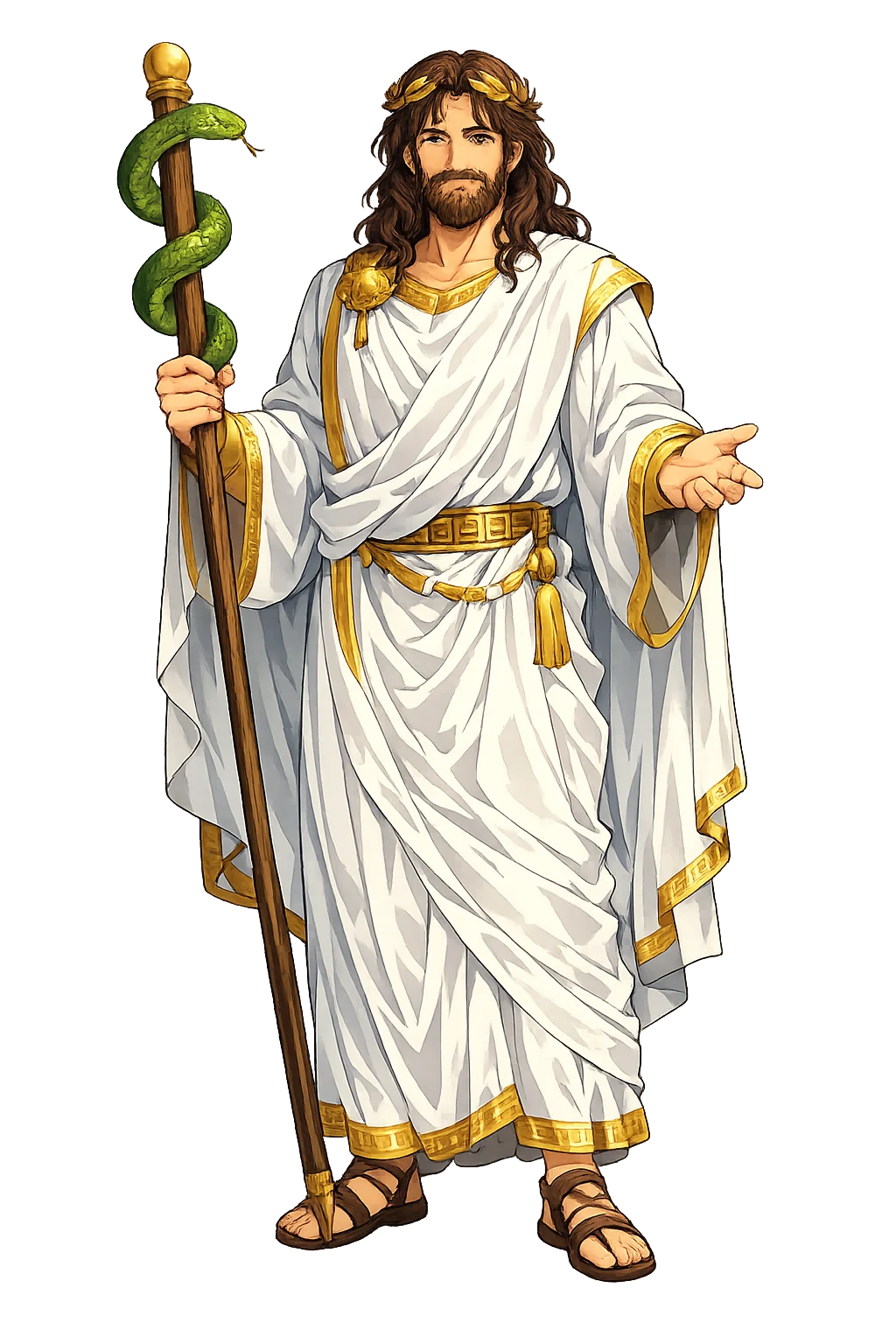
No pagan god left a richer paper trail of worship. The cult was a network: Epidaurus the head, Kos and Pergamon close behind, some three hundred sanctuaries across the Greek world, and Rome's Tiber Island temple from 293 BCE (Livy 10.47). The rite was incubation — purification, a fee, a night in the abaton — and the institution kept its own records: the iamata stelai at Epidaurus publish the god's cures like case notes. Priests managed each sanctuary, while the healing guilds of Kos and Rhodes, the Asklēpiadai, claimed descent from the god himself. The calendar gave him festivals — the Asklepieia at Epidaurus with games and musical contests, and at Athens the Epidauria, added late to the Eleusinian Mysteries to mark his arrival from the Peloponnese. Votive anatomical terracottas, clay eyes and limbs and breasts, still hang in museum cases as the patient's half of the contract. Galen served his cult at Pergamon; the healer's Oath swears by him second, after Apóllōn. The Christian centuries closed the sanctuaries, but the hospital — as institution and as word — is his continuation.