PuniCodex

Extended Lore

𐎓𐎐𐎚 ꜥAnat

Etymology · Orthography · Cult · Iconography · Reception · Sources

Tier 1 ꜥAnat.com
ꜥAnat — Goddess of War and the Hunt
01

Quick Facts

Essential information about ꜥAnat, Goddess of War and the Hunt

Original Script𐎓𐎐𐎚
Unicode RestorationꜥAnat
Reconstructed Pronunciation/ʕa.nat/
PantheonCanaanite
DomainGoddess of War and the Hunt
MeaningCanaanite warrior goddess, sister and ally of Baꜥal
ClassificationTier 1
Primary DomainꜥAnat.com
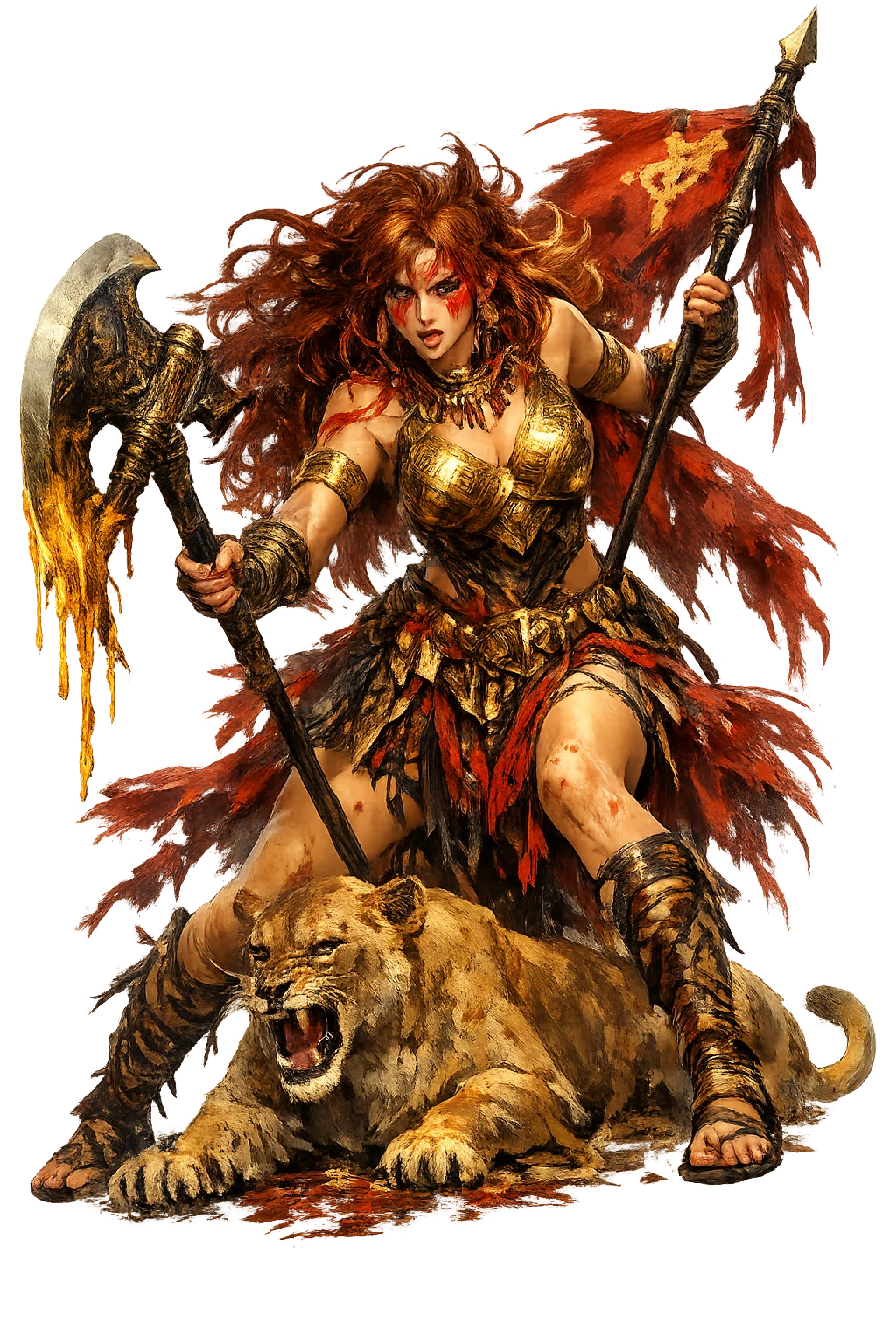
Sacred SymbolsBow, Spear and sword, Lion, Dew and rain
02

Etymology & Word Family

From original script to Unicode restoration

Proto-afro-asiatic *ʿanatu warrior goddess
Original Script 𐎓𐎐𐎚 ꜥAnat — "Canaanite warrior goddess, sister and ally of Baꜥal"
Unicode Restoration ꜥAnat Restored stress, length, and script
Modern ASCII anat Plain-ASCII fallback

From Ugaritic ʿnṯ/ʿnt; the initial pharyngeal is rendered with Egyptian Ain (ꜥ) as the registrable workaround

03

Unicode Character Breakdown

Character-by-character philological analysis

CharacterUnicodeNameBlockPhonetic Role
ꜥAU+A725Character U+A725Latin Extended-DEgyptian Ain (ꜥ) represents the Semitic ʿayin, followed by the capital alpha present in the Unicode restoration
nU+006ELatin Small Letter NBasic LatinSame
aU+0061Latin Small Letter ABasic LatinSame
tU+0074Latin Small Letter TBasic LatinSame

The Tier 1 classification reflects how much of the original phonology this restoration preserves — stress and vowel length for Greek names, distinctive letters and diacritics for every other tradition.

04

Cult & Worship

How the sacred was kept — rites, sanctuaries, remains

The Cult

No temple of ꜥAnat has ever been excavated, and no festival calendar names her: the Ugaritic tablets hand down her mythology and one fragmentary hymn (KTU 1.13), not her rites. The evidence instead shows a goddess served in three registers. At Ugarit she held rank in the pantheon — myth makes her the storm god’s most trusted ally — but her cult building, if any existed, lies unidentified. In Egypt, where Levantine troops carried her from the late Eighteenth Dynasty onward, she became a soldier’s goddess: bronze figurines and scarabs name her ꜥnt(t), Ramesses II named a daughter Bint-Anath, and her devotion ran through the military cities of the eastern Delta. And at the Jewish garrison of Elephantine in the fifth century BCE, oaths were sworn by Anat-Yahu, the goddess beside Yahu. West of the Jordan her name survives in Anathoth and in the hero-name Shamgar ben-Anath — memory of reverence, not proof of rites.

In the Earth

The Ugaritic tablets from Ras Shamra (KTU 1.3, 1.6, 1.17–19) preserve her warrior mythology in alphabetic cuneiform. In Egypt, bronze figurines and scarabs from Tanis, Memphis, and the eastern Delta identify her as ꜥnt(t), a Levantine war goddess absorbed into the New Kingdom pantheon. The stela from Beth-Shean and Israelite place names such as Anathoth and the epithet Shamgar ben-Anath attest her cult west of the Jordan.

05

Iconography

How ꜥAnat was imaged across the ages

The Image

ꜥAnat’s image survives chiefly in Egyptianized form. The most numerous witnesses are bronze figurines from the eastern Delta and the Tanite region: a standing woman in Egyptian dress and crown, spear and shield in hand, the Levantine warrior translated into court bronze; scarabs spread the same figure wider. Whether Ugarit’s own glyptic pictured her is debated: Peggy Day catalogued seals showing a young woman flanked by lions and read her as ꜥAnat, Ugarit’s ‘Mistress of Animals’, but the identifications rest on motif, not caption, and a sceptic may call every one of them Aštart. No illustrated tablet or statue base from Ras Shamra names her. Under the Persians and Greeks the warrior outline was absorbed into Athena’s — the frozen classical face she wears is Minerva’s helmet, not her own.

06

Reception & Transformation

The name after its own age — transmission, translation, survival

Afterlives

ꜥAnat vanished with her city and returned with a plough. Ugarit burned around 1180 BCE; its tablets lay in the ash of Ras Shamra until 1929, when a farmer striking a tomb led Claude Schaeffer’s team to the archives. The cuneiform alphabet yielded within two years — Virolleaud, Bauer, and Dhorme reading it almost simultaneously — and the Baꜥal Cycle put the blood-drunk goddess back into scholarship in 1930. She has never left it: her violence set the terms of the twentieth-century debate on Canaanite religion, Cross and Mark Smith both measured her, and her shadow in the Hebrew Bible (Anathoth, Shamgar ben-Anath) fixed her in the study of Israel’s neighbors. Raphael Patai’s The Hebrew Goddess (1967) and Tikva Frymer-Kensky’s In the Wake of the Goddesses (1992) carried her into gender-conscious scholarship, where the maiden who ground Death like grain remains the hardest case in the ancient pantheon.

Identifications Across Traditions

In Egypt, ꜥAnat was worshipped as a war goddess alongside her sister Aštart, especially at Tanis and Memphis; she appears on scarabs and in the Egyptian pantheon as ꜥnt(t). Greeks and Romans later identified her with Athena/Minerva in her martial aspect. Some scholars have argued for an early equation with the Mesopotamian Ishtar/Inanna, since both are young, autonomous warrior goddesses, but the Ugaritic texts treat ꜥAnat as a distinct Levantine figure. In the Hebrew Bible, place names such as Anathoth preserve her memory without endorsing her cult.

Modern Legacy

The name ꜥAnat echoes across millennia in unexpected ways. The Israelite town of Anathoth (Jeremiah's birthplace) carries her name. Medieval Jewish folklore remembered her in the figure of the warrior woman, and modern Levantine archaeology has recovered countless amulets and plaques bearing her image. In contemporary literature, film, and Neopagan practice, Anat resurfaces as an icon of untamed female power — a goddess who will not be domesticated, who fights for those she loves, and who makes the boundaries between love and violence uncomfortably thin.

07

The Meditation

What ꜥAnat means — beyond the dictionary

ꜥAnat disturbs the modern imagination because she refuses our categories. She is a young woman and a killer, a sister and an avenger, a goddess of life-giving rain and of blood-soaked battlefields. In a world that still struggles to imagine female power without apology, she stands as a difficult ancestor: not a nurturer, not a consort, but a self-possessed force.

Yet her loyalty is unmistakable. Everything she does for Baꜥal — confronting El, destroying Mot, mourning in the wilderness — she does out of love that does not negotiate. To meditate on ꜥAnat is to meditate on the sacredness of rage rightly aimed, on the ferocity that protects rather than merely consumes. She asks us: What would you fight for, without limit, without consent, because it is yours?

08

Frequently Asked Questions

Common questions about ꜥAnat, Goddess of War and the Hunt, and Unicode restoration

01How do you pronounce ꜥAnat?

In reconstructed pronunciation, ꜥAnat is /ʕa.nat/ — approximately 'AH-naht' — start with a rough, throaty 'ah' (like Arabic ع), then 'naht' with a crisp final t.

02What does ꜥAnat mean?

ꜥAnat means Canaanite warrior goddess, sister and ally of Baꜥal in the canaanite tradition.

03What are the symbols of ꜥAnat?

ꜥAnat is associated with Bow (The peerless bow of Aqhat — she would kill for it, and the land paid the price (KTU 1.17–19)), Spear and sword (The blade she turned on Mot itself, splitting death like a stalk of grain (KTU 1.6 ii)), Lion (Her leonine ferocity; Day reads her as Ugarit's Mistress of Animals (JNES 51, 1992)), Dew and rain (Baꜥal's cleansing gift after battle — war purified by the storm's water (KTU 1.3 ii)).

04Why are there different spellings of ꜥAnat?

Each form is a historically attested restoration rather than a mistake: ʿAnat is the ideal form (Ugaritic/Phoenician ʿayin (ʿ) is ideal but not registrable at the DNS root); ꜥanat is the owned form (Lowercase owned form); Anát is the alt form (Stress-only alternate transliteration (previous Phoenician entry)). PUNICODEX registers the full set so the tradition is preserved under every defensible spelling.

05Why restore ꜥAnat in Unicode?

Plain ASCII anat strips the stress, length, and script that make the name specific. Unicode restoration returns the name to its original written dignity.

06What is the most important myth about ꜥAnat?

“Wading Knee-Deep in Blood” — the The Battlefield story that anchors the mythology of ꜥAnat, told in full on the lore page.

09

Scholarly Sources

The philological foundations of this restoration

Every claim on this page is grounded in established scholarship. The orthographic restorations follow disciplinary convention. The etymological chain follows the best available reference works. This is not invention — it is resurrection through scholarship.

◈

Lexicography & Philology

  • Ugaritic texts
  • CIS
  • Coogan
  • Smith
  • Day
◎

Primary Texts

  • KTU
  • KTU (Ugaritic texts)
  • Smith, The Ugaritic Baal Cycle
  • KTU 1.3 (Baal Cycle: Anat's battle fury and purification)
  • KTU 1.6 (Baal Cycle: Anat avenges Baal against Mot)
  • KTU 1.17–1.19 (Epic of Aqhat: the bow and the hunt)
  • Hebrew Bible, Judges 3:31; 5:6; Joshua 19:38 (Shamgar ben Anath and Anathoth)
◉

Archaeology & Art History

  • Material evidence — iconography, inscriptions, and temple archaeology — for ꜥAnat and related cults.
✦

Religious Studies

  • CIS
  • Coogan, Stories from Ancient Canaan
  • Day, 'Anat: Ugarit's "Mistress of Animals,"' Journal of Near Eastern Studies 51 (1992): 181–190
  • Wyatt, Religious Texts from Ugarit
Return

The Surface Awaits

You have traced the name from its earliest attestation to its Unicode restoration. Now return to the myth. The story is where the name lives.

Back to Lore
ꜥAnat mascot