
ART OF ꜥAnat
Every visual thread of ꜥAnat in one room — the temple's curated historical gallery, the house's Commons studies, and the Creatives marketplace as it opens.

Temple Gallery
Solid-cast bronze votive figurine of Anat, Canaanite/Syrian, early 2nd millennium BCE (Middle Bronze Age)
commons.wikimedia.org · Public domain

Temple Gallery
Granite statue of Ramesses II with the goddess Anat, 19th Dynasty, 13th century BCE
See source

Temple Gallery
Neo-Assyrian stele of Ninurta-kudurrī-uṣur, governor of Suhu and Mari, dedicated to the goddess Anat, 8th century BCE
commons.wikimedia.org · CC BY-SA 4.0

Temple Gallery
Bronze “goddess with lions” figurine from Hauran, Syria, c
commons.wikimedia.org · CC BY-SA 4.0

Temple Gallery
The Anat-Athena bilingual inscription from Larnakas tis Lapithou, Cyprus, published 1867 by Melchior de Vogüé
commons.wikimedia.org · Public domain
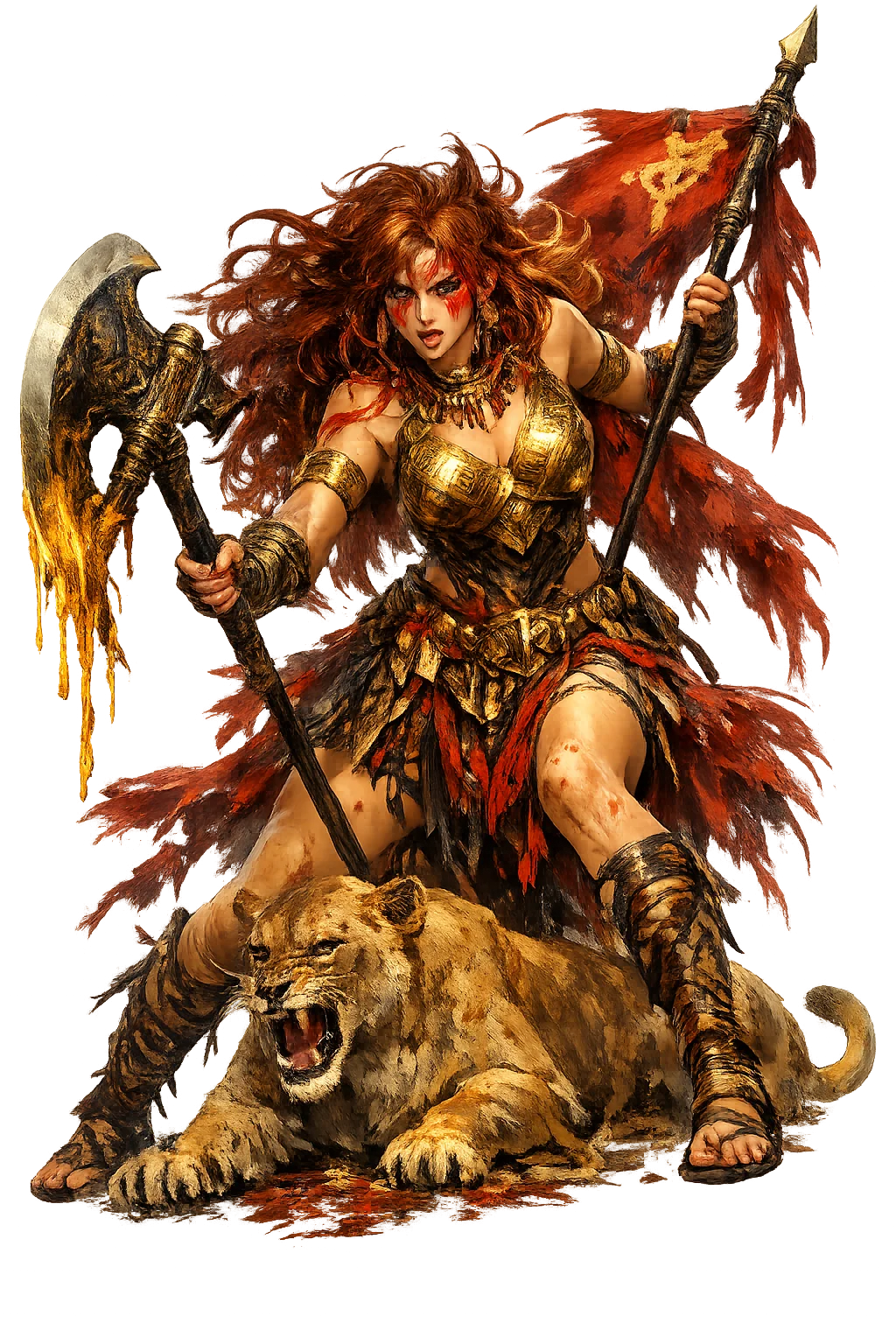
The Commons · current
ꜥAnat — current mascot
CC BY 4.0 · attribution required
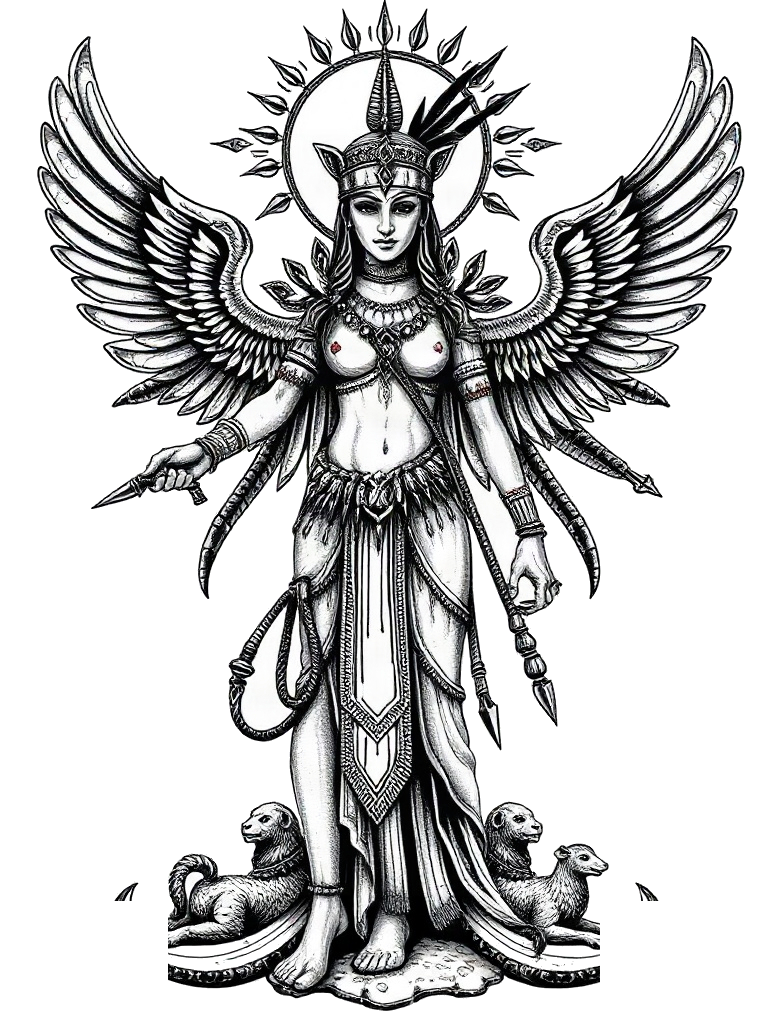
The Commons · tattoo
ꜥAnat — blackwork tattoo study 2.1
CC BY 4.0 · attribution required
Temple Gallery
Solid-cast bronze votive figurine of Anat, Canaanite/Syrian, early 2nd millennium BCE (Middle Bronze Age)
commons.wikimedia.org · Public domain
Temple Gallery
Granite statue of Ramesses II with the goddess Anat, 19th Dynasty, 13th century BCE
See source
Temple Gallery
Neo-Assyrian stele of Ninurta-kudurrī-uṣur, governor of Suhu and Mari, dedicated to the goddess Anat, 8th century BCE
commons.wikimedia.org · CC BY-SA 4.0
Temple Gallery
Bronze “goddess with lions” figurine from Hauran, Syria, c
commons.wikimedia.org · CC BY-SA 4.0
Temple Gallery
The Anat-Athena bilingual inscription from Larnakas tis Lapithou, Cyprus, published 1867 by Melchior de Vogüé
commons.wikimedia.org · Public domain
✦
The Creatives room for ꜥAnat is being gathered.
Student and independent artists will license mythological work here — credited always, paid properly.
Open to university creators first: the university door →
The Commons · current
ꜥAnat — current mascot
CC BY 4.0 · attribution required
The Commons · tattoo
ꜥAnat — blackwork tattoo study 2.1
CC BY 4.0 · attribution required