PuniCodex

Extended Lore

अम्बिका Ambikā

Etymology · Phonology · Orthography · Cultural Legacy · Primary Sources

Tier 1 Ambikā.com
Ambikā — Divine Mother, Power, Protection
01

Quick Facts

Essential information about Ambikā, Divine Mother, Power, Protection

Original Scriptअम्बिका
Unicode RestorationAmbikā
Reconstructed Pronunciation/əmbiˈkaː/
PantheonSanskrit
DomainDivine Mother, Power, Protection
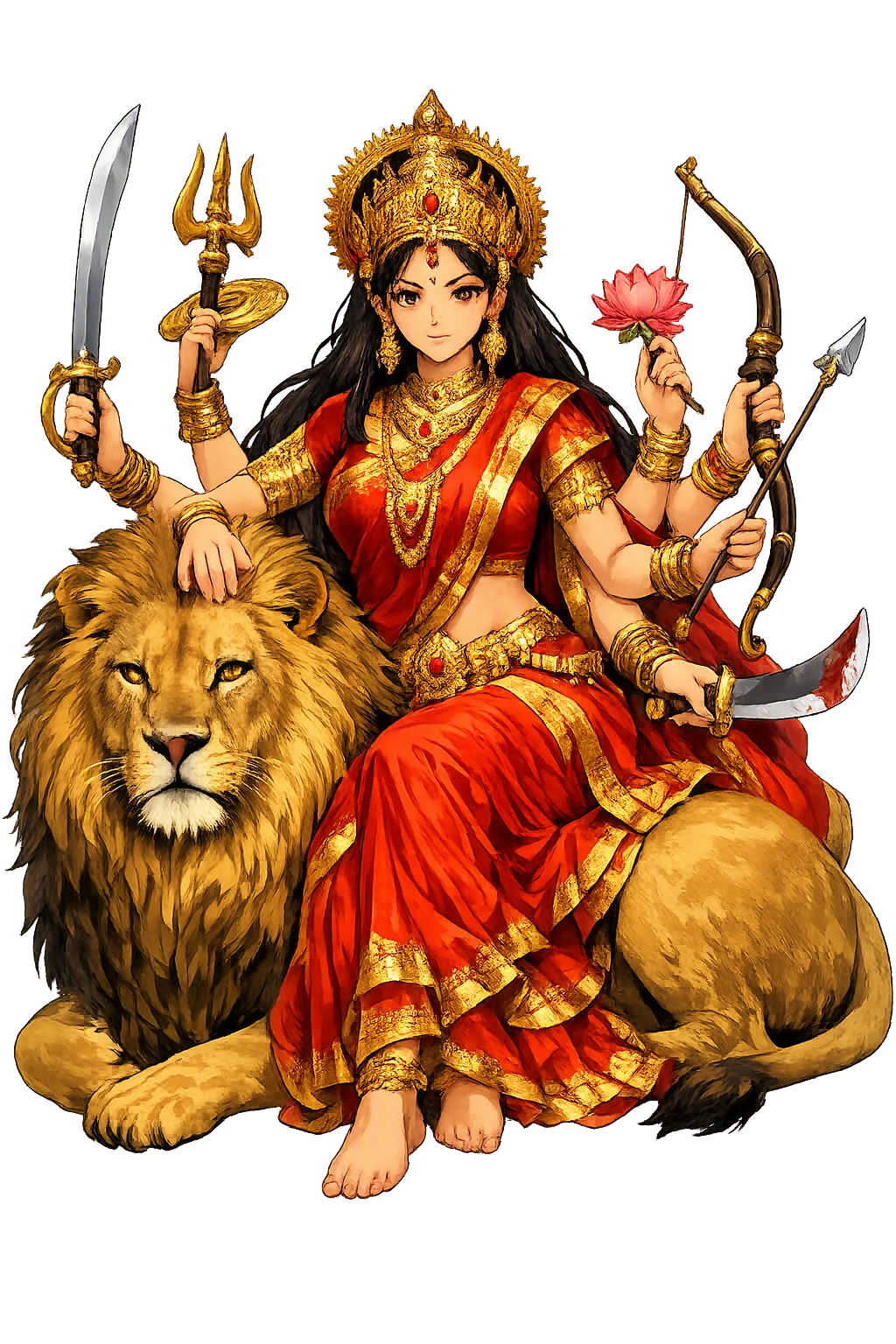
MeaningMother; epithet of Pārvatī/Durgā, the multi-armed goddess with lion
ClassificationTier 1
Primary DomainAmbikā.com
Sacred SymbolsLion, Trident (trishūla), Lotus, Multiple arms
02

Etymology & Word Family

From original script to Unicode restoration

Original Script अम्बिका Ambikā — "Mother; epithet of Pārvatī/Durgā, the multi-armed goddess with lion"
Unicode Restoration Ambikā Restored stress, length, and script
Modern ASCII ambika Plain-ASCII fallback

Ambikā means literally 'little mother' or 'dear mother', an affectionate epithet that became a name of the Goddess in her protective, warrior form.

03

Unicode Character Breakdown

Character-by-character philological analysis

CharacterUnicodeNameBlockPhonetic Role
AU+0041Latin Capital Letter ABasic LatinInitial a, capitalized
mU+006DLatin Small Letter MBasic LatinMa
bU+0062Latin Small Letter BBasic LatinBa
iU+0069Latin Small Letter IBasic LatinShort i
kU+006BLatin Small Letter KBasic LatinKa
āU+0101Latin Small Letter A with MacronLatin Extended-ALong ā (macron)

The Tier 1 classification reflects how much of the original phonology this restoration preserves — stress and vowel length for Greek names, distinctive letters and diacritics for every other tradition.

04

Cultural Significance

From ancient cult to modern Unicode

Ancient Domain

Ambikā is the Mother who takes up arms. As an epithet of Pārvatī and Durgā, she is the gentle parent become warrioress: multi-armed, riding or attended by a lion, and invoked against the demons who threaten cosmic order. Her name means 'mother', but in cult it means 'mother who fights for her children'.

Ambikā in Later Traditions

Ambikā is not distinct from Pārvatī, Durgā, Umā, or Gaurī; she is one grammatical and theological inflection of the Great Goddess (Mahādevī). The epithet emphasizes motherhood, while Durgā emphasizes fortress-like protection and Kālī emphasizes time and destruction. In tantric and devotional contexts these are understood as modes of a single divine power rather than separate goddesses.

Modern Legacy

The name Ambikā remains a common epithet for the Goddess in Hindu devotion, temple names, and personal names across South Asia and the diaspora. As an emblem of armed motherhood, she resonates with modern movements that frame women's power as protective rather than merely aggressive. Her lion-riding, multi-armed image is one of the most recognizable icons of Hindu goddess worship worldwide.

Unicode Restoration as Cultural Act

Restoring Ambikā in a domain name is more than orthographic accuracy. It is a statement that the internet should recognize the full range of human writing — not only the ASCII keyboard.

05

Frequently Asked Questions

Common questions about Ambikā, Divine Mother, Power, Protection, and Unicode restoration

01How do you pronounce Ambikā?

In reconstructed pronunciation, Ambikā is /əmbiˈkaː/ — approximately 'um-bee-KAH' — the final syllable is long and carries the weight of the name..

02What does Ambikā mean?

Ambikā means Mother; epithet of Pārvatī/Durgā, the multi-armed goddess with lion in the sanskrit tradition.

03What are the symbols of Ambikā?

Ambikā is associated with Lion (Vehicle and emblem of royal, wrathful maternal power), Trident (trishūla) (Śiva's weapon, here the Mother's power to destroy ignorance and evil), Lotus (Purity unfolding even from the battlefield of existence), Multiple arms (The many powers of the gods concentrated in one protective form).

04Why restore Ambikā in Unicode?

Plain ASCII ambika strips the stress, length, and script that make the name specific. Unicode restoration returns the name to its original written dignity.

05What is the most important myth about Ambikā?

In the Shiva Purana, Pārvatī is called Ambikā when she appears as the divine consort and mother. The name softens her into maternal affection, yet the same goddess can assume the ten-armed form of Durgā when demons threaten the gods.

06

Scholarly Sources

The philological foundations of this restoration

Every claim on this page is grounded in established scholarship. The orthographic restorations follow disciplinary convention. The etymological chain follows the best available reference works. This is not invention — it is resurrection through scholarship.

Lexicography & Philology

  • Monier-Williams
  • Shiva Purana
  • Devi Mahatmya

Primary Texts

  • Shiva Purana

Archaeology & Art History

  • Material evidence — iconography, inscriptions, and temple archaeology — for Ambikā and related cults.

Religious Studies

  • Monier-Williams Sanskrit-English Dictionary
  • Devi Mahatmya
  • Coburn, Devī-Māhātmya
Return

The Surface Awaits

You have traced the name from its earliest attestation to its Unicode restoration. Now return to the myth. The story is where the name lives.

Back to Lore
Ambikā mascot