
The Cult
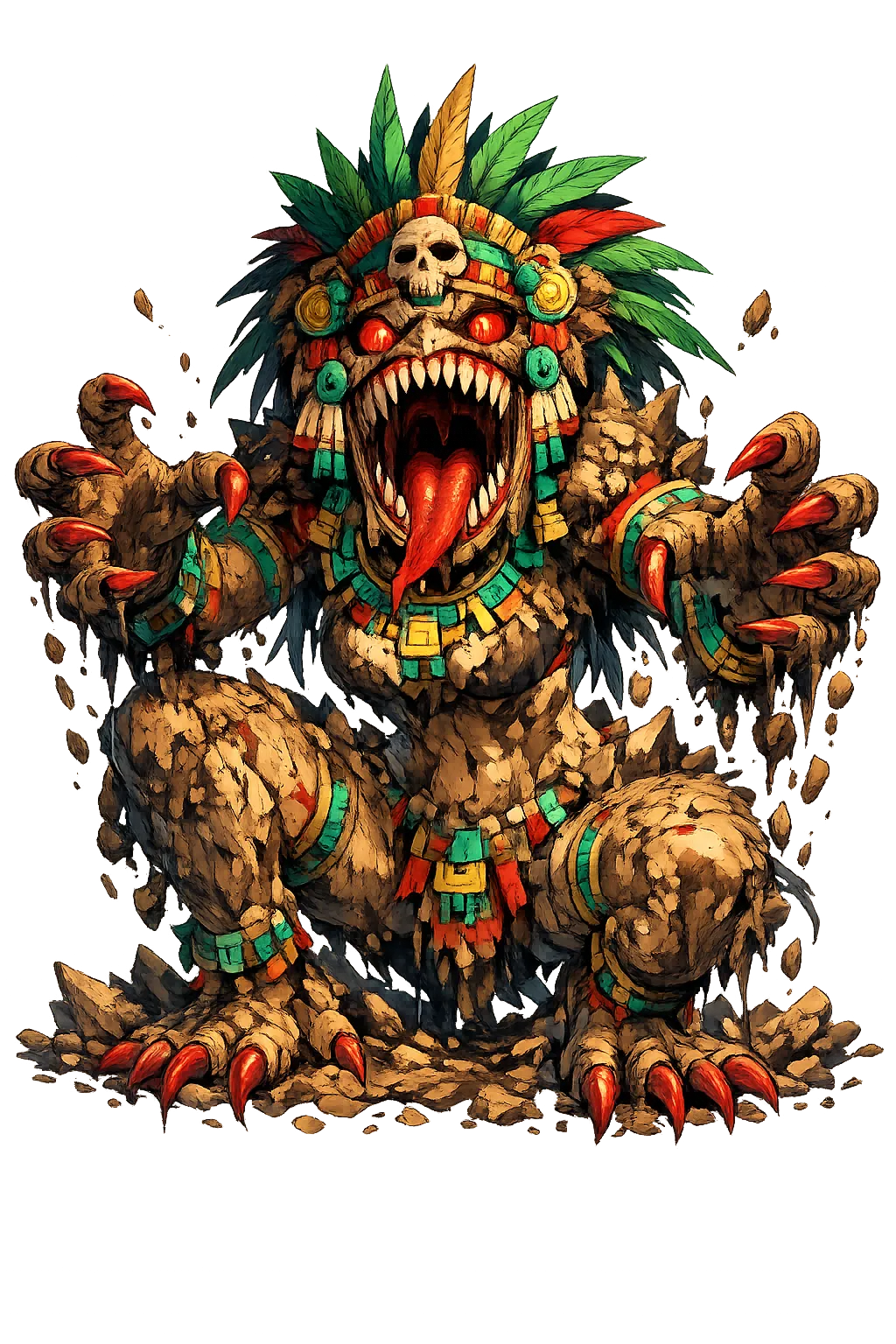
Tlāltēcuhtli had no known temple of his own — the earth was the sanctuary. Worship was embedded: Mexica builders fed the ground with copal, food, and jade before raising walls, and the dead were laid in the earth with offerings, practices Sahagún's informants describe as payment to a hungry being (Florentine Codex, Books 7 and 11). The Templo Mayor excavations have found shrines and rich caches at the pyramid's foot, where earth and sky meet; the 2006 monolith itself lay at the base, aligned to receive the sun's evening descent. The highest rites included blood, as across Mexica religion. The evidence is therefore archaeological and ethnographic rather than architectural: devotion to the earth lord lived in offering pits, buried figurines, and the rites that preceded every foundation. Nahua communities of central Mexico still address the earth with food and incense — a continuity colonial writers recorded and modern fieldwork confirms.