PuniCodex

Extended Lore

Θέμις Themis

Etymology · Phonology · Orthography · Cultural Legacy · Primary Sources

Tier 2 Themis
Themis — Divine Law, Order, Custom
01

Quick Facts

Essential information about Themis, Divine Law, Order, Custom

Original ScriptΘέμις
Unicode RestorationThemis
Reconstructed Pronunciation/themis/
PantheonGreek
DomainDivine Law, Order, Custom
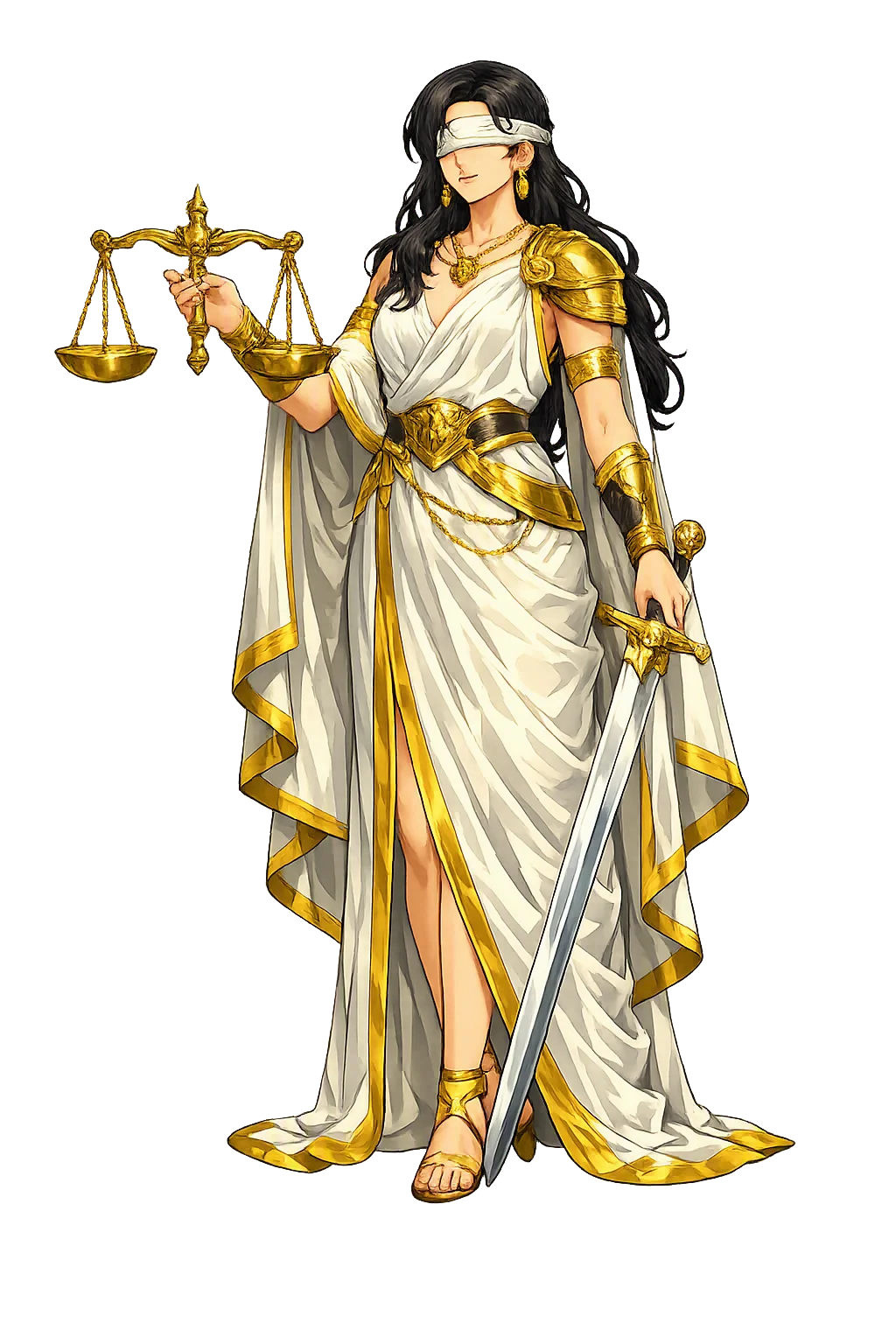
MeaningA Titaness, the personification of divine order, law, and established custom; a consort of Zeus and mother of the Seasons (Horae) and the Fates (Moirai).
ClassificationTier 2
Primary DomainThemis
Sacred SymbolsName, Domain
02

Etymology & Word Family

From original script to Unicode restoration

Original Script Θέμις Themis — "A Titaness, the personification of divine order, law, and established custom; a consort of Zeus and mother of the Seasons (Horae) and the Fates (Moirai)."
Unicode Restoration Themis Restored stress, length, and script
Modern ASCII themis Plain-ASCII fallback

The ASCII form "themis" is a DNS compromise; the restoration "Themis" preserves the name's scholarly dignity.

03

Unicode Character Breakdown

Character-by-character philological analysis

CharacterUnicodeNameBlockPhonetic Role
TU+0054Latin Capital Letter TBasic LatinTau
hU+0068Latin Small Letter HBasic LatinTheta
eU+0065Latin Small Letter EBasic LatinShort epsilon
mU+006DLatin Small Letter MBasic LatinMu
iU+0069Latin Small Letter IBasic LatinShort iota
sU+0073Latin Small Letter SBasic LatinSigma

The Tier 2 classification reflects how much of the original phonology this restoration preserves — stress and vowel length for Greek names, distinctive letters and diacritics for every other tradition.

04

Cultural Significance

From ancient cult to modern Unicode

Ancient Domain

Themis is divine law, order, custom. The name means "A Titaness, the personification of divine order, law, and established custom; a consort of Zeus and mother of the Seasons (Horae) and the Fates (Moirai)." and belongs to the greek tradition.

Modern Legacy

Themis remains a touchstone for understanding greek religion, art, and identity.

Unicode Restoration as Cultural Act

Restoring Themis in a domain name is more than orthographic accuracy. It is a statement that the internet should recognize the full range of human writing — not only the ASCII keyboard.

05

Frequently Asked Questions

Common questions about Themis, Divine Law, Order, Custom, and Unicode restoration

01How do you pronounce Themis?

In reconstructed pronunciation, Themis is /themis/ — approximately Say "themis" with the stress and length implied by the scholarly restoration "Themis"..

02What does Themis mean?

Themis means A Titaness, the personification of divine order, law, and established custom; a consort of Zeus and mother of the Seasons (Horae) and the Fates (Moirai). in the greek tradition.

03What are the symbols of Themis?

Themis is associated with Name (The restored form Themis, carrying scholarly and cultural weight.), Domain (Divine Law, Order, Custom).

04Why restore Themis in Unicode?

Plain ASCII themis strips the stress, length, and script that make the name specific. Unicode restoration returns the name to its original written dignity.

05What is the most important myth about Themis?

Themis appears in greek tradition as divine law, order, custom. The name's meaning, "A Titaness, the personification of divine order, law, and established custom; a consort of Zeus and mother of the Seasons (Horae) and the Fates (Moirai).", shapes the narratives told about this figure.

06

Scholarly Sources

The philological foundations of this restoration

Every claim on this page is grounded in established scholarship. The orthographic restorations follow disciplinary convention. The etymological chain follows the best available reference works. This is not invention — it is resurrection through scholarship.

Lexicography & Philology

  • Liddell, H. G., Scott, R., & Jones, H. S. A Greek-English Lexicon. Oxford: Clarendon Press, 9th ed. 1996.
  • Pape, W., & Benseler, G. E. Wörterbuch der griechischen Eigennamen. Braunschweig: Vieweg, 1884.
  • Beekes, R. S. P. Etymological Dictionary of Greek. Leiden: Brill, 2010.

Primary Texts

  • Homer. Iliad and Odyssey; Hesiod. Theogony and Works and Days.

Archaeology & Art History

  • Material evidence — iconography, inscriptions, and temple archaeology — for Themis and related cults.

Religious Studies

  • Comparative studies of greek religion and the place of Themis within it.
Return

The Surface Awaits

You have traced the name from its earliest attestation to its Unicode restoration. Now return to the myth. The story is where the name lives.

Back to Lore
Themis mascot