PuniCodex

Extended Lore

π’€­π’‹Όπ’‚Šπ’‡·π’‰π’‰‘π’Œ‘ Telipinu

Etymology Β· Phonology Β· Orthography Β· Cultural Legacy Β· Primary Sources

Tier 2 Telipinu
Telipinu β€” Agriculture, Vanishing God
01

Quick Facts

Essential information about Telipinu, Agriculture, Vanishing God

Original Scriptπ’€­π’‹Όπ’‚Šπ’‡·π’‰π’‰‘π’Œ‘
Unicode RestorationTelipinu
Reconstructed Pronunciation/teliˈpiːnu/
PantheonHittite
DomainAgriculture, Vanishing God
MeaningUnknown
ClassificationTier 2
Primary DomainTelipinu
Sacred SymbolsPlough, Bee, Pine or staff, Reversed shoes, Wagon or chariot
02

Etymology & Word Family

From original script to Unicode restoration

Original Script π’€­π’‹Όπ’‚Šπ’‡·π’‰π’‰‘π’Œ‘ Telipinu β€” "Unknown"
Unicode Restoration Telipinu Restored stress, length, and script
Modern ASCII telipinu Plain-ASCII fallback

Telipinu is Tier 2: the canonical Unicode form preserves only capitalization against the ASCII form, with no distinctive diacritic or non-Latin letter. The macron in /teliˈpiːnu/ is a philological reconstruction of vowel length; it is not part of the registrable restoration and therefore does not change the tier.

03

Unicode Character Breakdown

Character-by-character philological analysis

CharacterUnicodeNameBlockPhonetic Role
TU+0054Latin Capital Letter TBasic LatinSame, capitalized
eU+0065Latin Small Letter EBasic LatinSame
lU+006CLatin Small Letter LBasic LatinSame
iU+0069Latin Small Letter IBasic LatinSame
pU+0070Latin Small Letter PBasic LatinSame
iU+0069Latin Small Letter IBasic LatinSame
nU+006ELatin Small Letter NBasic LatinSame
uU+0075Latin Small Letter UBasic LatinSame

The Tier 2 classification reflects how much of the original phonology this restoration preserves β€” stress and vowel length for Greek names, distinctive letters and diacritics for every other tradition.

04

Cultural Significance

From ancient cult to modern Unicode

Ancient Domain

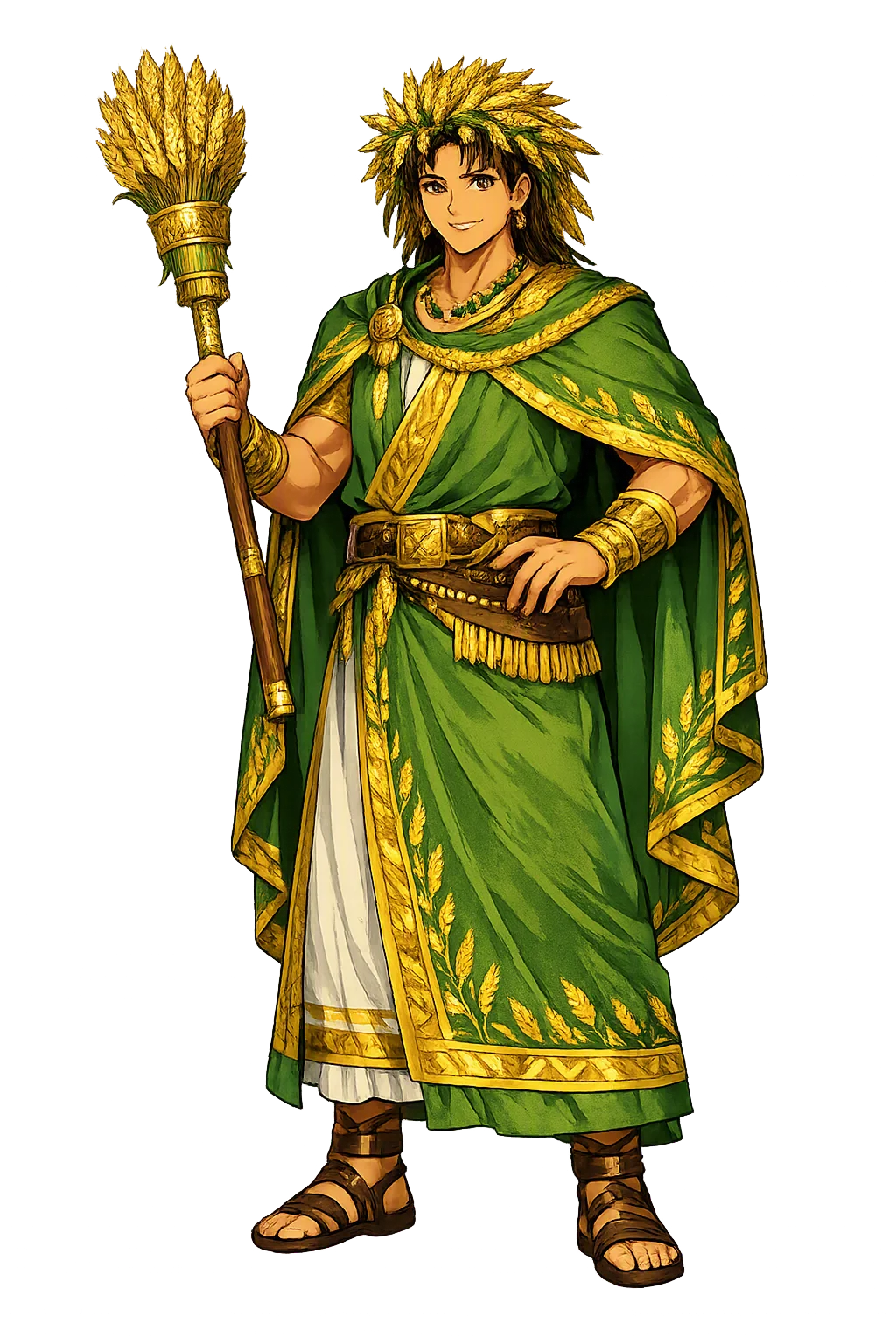
Telipinu is the Hittite god who makes the grain grow β€” and the god who, when offended, takes his gift away. His myth is not a cosmic battle but a domestic crisis of divine temper: the deity storms out of the assembly, slams the door, and wanders off in a rage. Behind him the fields wither, cattle abandon their calves, mothers forget their children, and even the cooking fire goes out. The world does not end by flood or dragon; it ends because a god has left the room.

The Telipinu Myth (CTH 324) is one of the best-preserved Hittite religious narratives. It is also a ritual text: the story is performed in order to undo the very disaster it describes. Telipinu is therefore a god of restorable order β€” his absence is catastrophic, but his return, properly negotiated by magic and apology, brings everything back.

Telipinu in Later Traditions

Telipinu belongs to a broader Anatolian type: the 'disappearing god' (der verschwundene Gott), a category first named by Hittitologists for deities whose absence causes agricultural and social collapse. Similar patterns appear for the weather-god of Nerik, the vegetation god Halki, and, in Greek Anatolia, figures such as Attis and Adonis whose death or departure marks the failing year. Unlike the Mesopotamian flood or the Egyptian solar eclipse, the Hittite crisis is not cosmic but relational: the god is offended, leaves, and must be coaxed back. This pattern influenced later Anatolian and Greek conceptions of dying-and-rising vegetation gods, though direct genealogical links remain debated.

Modern Legacy

Telipinu is one of the most accessible Hittite deities for modern readers because his myth is so recognisably human: a family member storms out, the household falls apart, and a careful apology is required to restore harmony. In Assyriology and Hittitology, the Telipinu Myth is a standard text for teaching Hittite language and religion. Its legacy is the idea that fertility is a relationship, not a machine β€” maintained by ritual attention and capable of being ruptured by neglect or offense. For PuniCodex, Telipinu also illustrates the plain Tier-2 form: a name whose restoration preserves only its proper capitalization, inviting visitors to ask what the cuneiform recorded and what the voice once said.

Unicode Restoration as Cultural Act

Restoring Telipinu in a domain name is more than orthographic accuracy. It is a statement that the internet should recognize the full range of human writing β€” not only the ASCII keyboard.

05

Frequently Asked Questions

Common questions about Telipinu, Agriculture, Vanishing God, and Unicode restoration

01How do you pronounce Telipinu?

In reconstructed pronunciation, Telipinu is /teliˈpiːnu/ β€” approximately 'teh-lee-PEE-noo' β€” stress the long third syllable and let the final vowel settle gently, like rain returning to a field..

02What does Telipinu mean?

Telipinu means Unknown in the hittite tradition.

03What are the symbols of Telipinu?

Telipinu is associated with Plough (The agricultural tool that defines Telipinu's blessing and the furrow he makes fertile), Bee (The divine messenger that finds Telipinu in hiding; also an emblem of Anatolian ritual language), Pine or staff (Telipinu is often depicted leaning on a staff; the pine is associated with his resting and return), Reversed shoes (The sign of a world turned upside-down when the god leaves in anger), Wagon or chariot (The vehicle in which Telipinu is ceremonially brought back to the city and the temple).

04Why restore Telipinu in Unicode?

Plain ASCII telipinu strips the stress, length, and script that make the name specific. Unicode restoration returns the name to its original written dignity.

05What is the most important myth about Telipinu?

The myth opens in the divine assembly, where something unknown offends Telipinu. He rises, puts his shoes on the wrong feet, and leaves in a fury. As he goes, 'the mist seized the windows, smoke seized the house, in the fireplace the logs were stifled, at the altars the gods were stifled, in the fold the sheep were stifled, in the corral the cattle were stifled; the mother ignored her child, the ewe ignored her lamb.' The cosmos does not collapse; it simply forgets how to flourish.

06

Scholarly Sources

The philological foundations of this restoration

Every claim on this page is grounded in established scholarship. The orthographic restorations follow disciplinary convention. The etymological chain follows the best available reference works. This is not invention β€” it is resurrection through scholarship.

β—ˆ

Lexicography & Philology

  • Hittite texts
  • CHD
β—Ž

Primary Texts

  • Primary sources in the hittite tradition for Telipinu.
β—‰

Archaeology & Art History

  • Material evidence β€” iconography, inscriptions, and temple archaeology β€” for Telipinu and related cults.
  • The Telipinu myth is attested on cuneiform tablets excavated at αΈͺattuΕ‘a (modern Boğazkale), the Hittite capital, and in fragments from other Anatolian sites. The best-preserved manuscripts belong to the archives of the Great Temple and the House on the Slope. Telipinu also had a cult seat at the city of Tawiniya, and offerings to him appear in Hittite festival texts and royal oracle inquiries.
✦

Religious Studies

  • CTH 324 β€” Telipinu Myth
  • Hoffner, Hittite Myths (2nd ed., 1998)
  • CHD (Chicago Hittite Dictionary)
  • KBo and KUB editions of the Telipinu tablets
  • Collins, The Hittites and Their World
  • Bryce, Life and Society in the Hittite World
  • Haas, Geschichte der hethitischen Religion
Return

The Surface Awaits

You have traced the name from its earliest attestation to its Unicode restoration. Now return to the myth. The story is where the name lives.

Back to Lore
Telipinu mascot