PuniCodex

Extended Lore

Yām

Etymology · Phonology · Orthography · Cultural Legacy · Primary Sources

Tier 2 Yām.com
Yām — Sea, Primordial Waters, Chaos
01

Quick Facts

Essential information about Yām, Sea, Primordial Waters, Chaos

Scholarly TransliterationYām
Unicode RestorationYām
Reconstructed Pronunciation/jaːm/
PantheonCanaanite
DomainSea, Primordial Waters, Chaos
MeaningSea; the deified primordial ocean in Ugaritic and Canaanite myth
ClassificationTier 2
Primary DomainYām.com
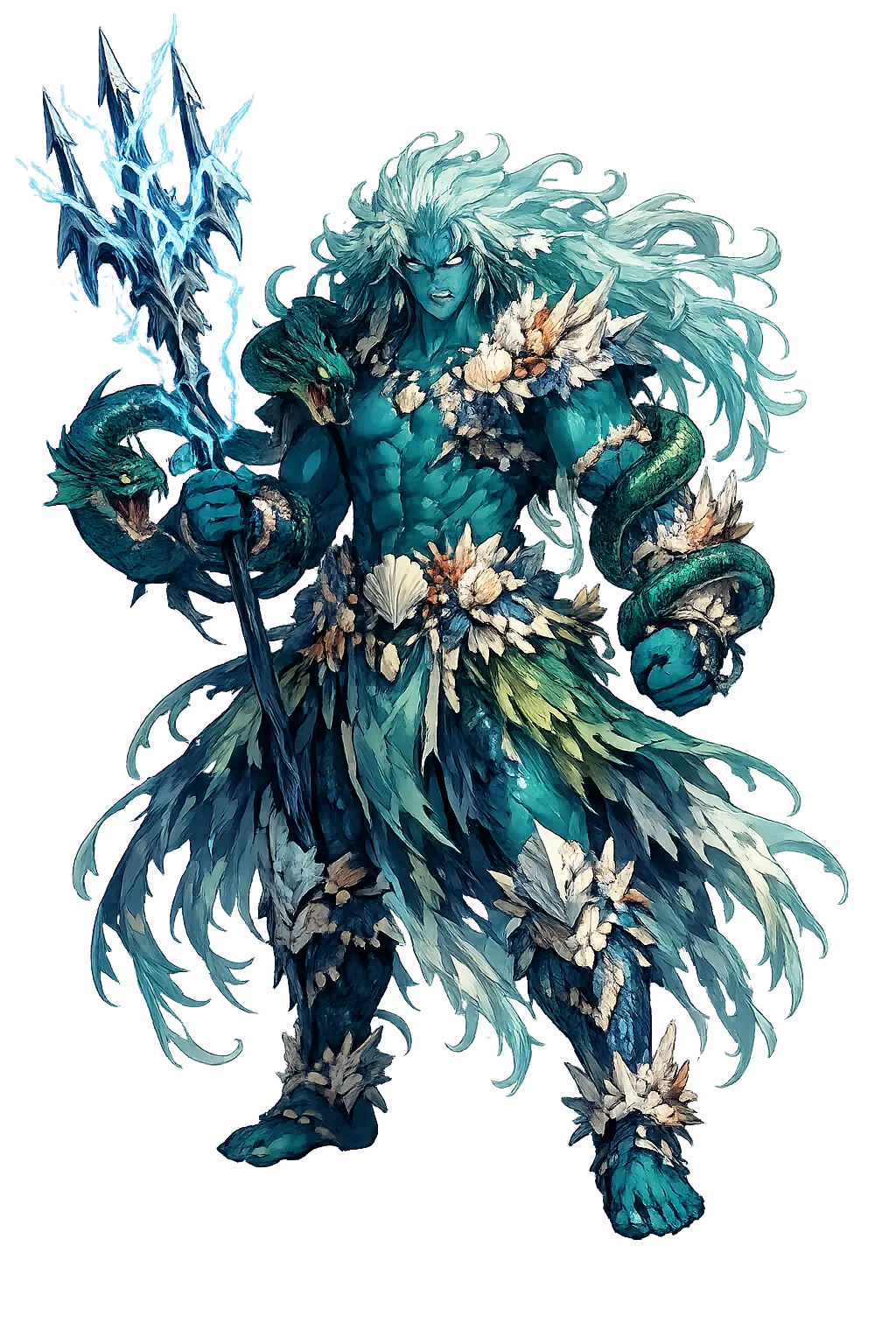
Sacred SymbolsCresting wave, Seven-headed serpent or dragon, Net or muzzle, Lotus or conch
02

Etymology & Word Family

From original script to Unicode restoration

Proto-semitic *yamm- sea, ocean
Scholarly Transliteration Yām Yām — "Sea; the deified primordial ocean in Ugaritic and Canaanite myth"
Unicode Restoration Yām Restored stress, length, and script
Modern ASCII yam Plain-ASCII fallback

Yām is a Tier-2 macron restoration. The long ā is the single preserved non-English feature; there is no stress mark. The name is common Semitic for 'sea,' personified in Ugaritic myth as a chaotic divine antagonist.

03

Unicode Character Breakdown

Character-by-character philological analysis

CharacterUnicodeNameBlockPhonetic Role
YU+0059Latin Capital Letter YBasic LatinSame, capitalized
āU+0101Latin Small Letter A with MacronLatin Extended-AMacron: long a
mU+006DLatin Small Letter MBasic LatinSame

The Tier 2 classification reflects which ancient features stress, length, or script are preserved in this restoration.

04

Cultural Significance

From ancient cult to modern Unicode

Ancient Domain

Yām is the deified sea of the Ugaritic Baal Cycle, the vast primordial water that claims kingship over the gods before Baal defeats him. He is not simply the Mediterranean; he is the dangerous, chaotic deep that threatens to overwhelm the ordered world of dry land and storm-fed fields. In Canaanite myth, the storm god's victory over Yām is the founding act that makes civilization possible.

Yām in Later Traditions

Yām is closely related to the Babylonian Tiamat and the biblical Leviathan and Rahab. All three represent primordial watery chaos defeated by a younger storm or creator god. In Greek myth, the combat of Zeus against Typhon carries some of the same structure, though the genealogies differ. Yām also overlaps with the Egyptian Apophis as a force of chaos that must be ritually subdued. The sea itself remained a boundary zone in Canaanite religion: source of wealth, highway of trade, and home of the monster who would reclaim the land if the storm god slept.

Modern Legacy

The myth of Yām survives most powerfully in the biblical Leviathan and in the combat hymns of the Psalms, which shaped Jewish, Christian, and Islamic imagery of cosmic evil defeated by divine power. In modern fantasy, the seven-headed sea dragon remains a staple of role-playing games and novels. For scholars of mythology, Yām is a textbook example of the 'chaoskampf' pattern: the victory of order over primordial water that underlies civilizations from Mesopotamia to the Hebrew Bible.

Unicode Restoration as Cultural Act

Restoring Yām in a domain name is more than orthographic accuracy. It is a statement that the internet should recognize the full range of human writing — not only the ASCII keyboard.

05

Frequently Asked Questions

Common questions about Yām, Sea, Primordial Waters, Chaos, and Unicode restoration

01How do you pronounce Yām?

In reconstructed pronunciation, Yām is /jaːm/ — approximately YAHM — a long, open 'ah' like 'father,' preceded by a smooth y-glide and closed by a humming m..

02What does Yām mean?

Yām means Sea; the deified primordial ocean in Ugaritic and Canaanite myth in the canaanite tradition.

03What are the symbols of Yām?

Yām is associated with Cresting wave (The uncontrollable power of the sea that Yām personifies), Seven-headed serpent or dragon (His combat form, parallel to Leviathan and Tiamat), Net or muzzle (The binding weapons used by Anat and Baal to subdue him), Lotus or conch (Maritime wealth and fertility that follow once the sea is brought under cosmic rule).

04What is the difference between Yām.com?

Each is a historically defensible restoration. Yammu.com is the alt form: Nominative case form in Ugaritic scholarly transliteration.

05Why restore Yām in Unicode?

Plain ASCII yam strips the stress, length, and script that make the name specific. Unicode restoration returns the name to its original written dignity.

06What is the most important myth about Yām?

In KTU 1.2 i, Yām sends messengers to the divine assembly and demands that El, the high god, hand over Baal to be his slave. El is forced to agree, but Baal refuses to submit. Anat and Asherah intervene, and Baal prepares for war. The scene establishes Yām as the primordial claimant to universal rule, the arrogant sea who must be humbled before order can be secure.

06

Scholarly Sources

The philological foundations of this restoration

Every claim on this page is grounded in established scholarship. The orthographic restorations follow disciplinary convention. The etymological chain follows the best available reference works. This is not invention — it is resurrection through scholarship.

Lexicography & Philology

  • KTU
  • Coogan
  • De Moor

Primary Texts

  • KTU 1.2 (Baal Cycle: Yām's demand and defeat)
  • Smith, The Ugaritic Baal Cycle
  • Hebrew Bible, Psalm 74:13–14; Isaiah 27:1; Job 26:12 (Leviathan and Rahab)

Archaeology & Art History

  • Material evidence — iconography, inscriptions, and temple archaeology — for Yām and related cults.
  • Yām's mythology is preserved in the Ugaritic tablets from Ras Shamra (KTU 1.2), written in alphabetic cuneiform in the Late Bronze Age. The coastal setting of Ugarit itself — a trading city dependent on the Mediterranean — explains the cultural importance of a sea-god who must be both propitiated and subdued. Iconographic parallels include Levantine seals and ivory plaques showing a storm god battling a serpentine or aquatic foe.

Religious Studies

  • Coogan, Stories from Ancient Canaan
  • Wyatt, Religious Texts from Ugarit
  • Day, Yahweh and the Gods and Goddesses of Canaan
Return

The Surface Awaits

You have traced the name from its earliest attestation to its Unicode restoration. Now return to the myth. The story is where the name lives.

Back to Lore
Yām mascot