PuniCodex

Extended Lore

Θεία Theía

Etymology · Phonology · Orthography · Cultural Legacy · Primary Sources

Tier 1 Theía.com
Theía — Titaness of Sight
01

Quick Facts

Essential information about Theía, Titaness of Sight

Original ScriptΘεία
Unicode RestorationTheía
Reconstructed Pronunciation/tʰeː.ía/
PantheonGreek
DomainTitaness of Sight
MeaningGoddess, divine
ClassificationTier 1
Primary DomainTheía.com
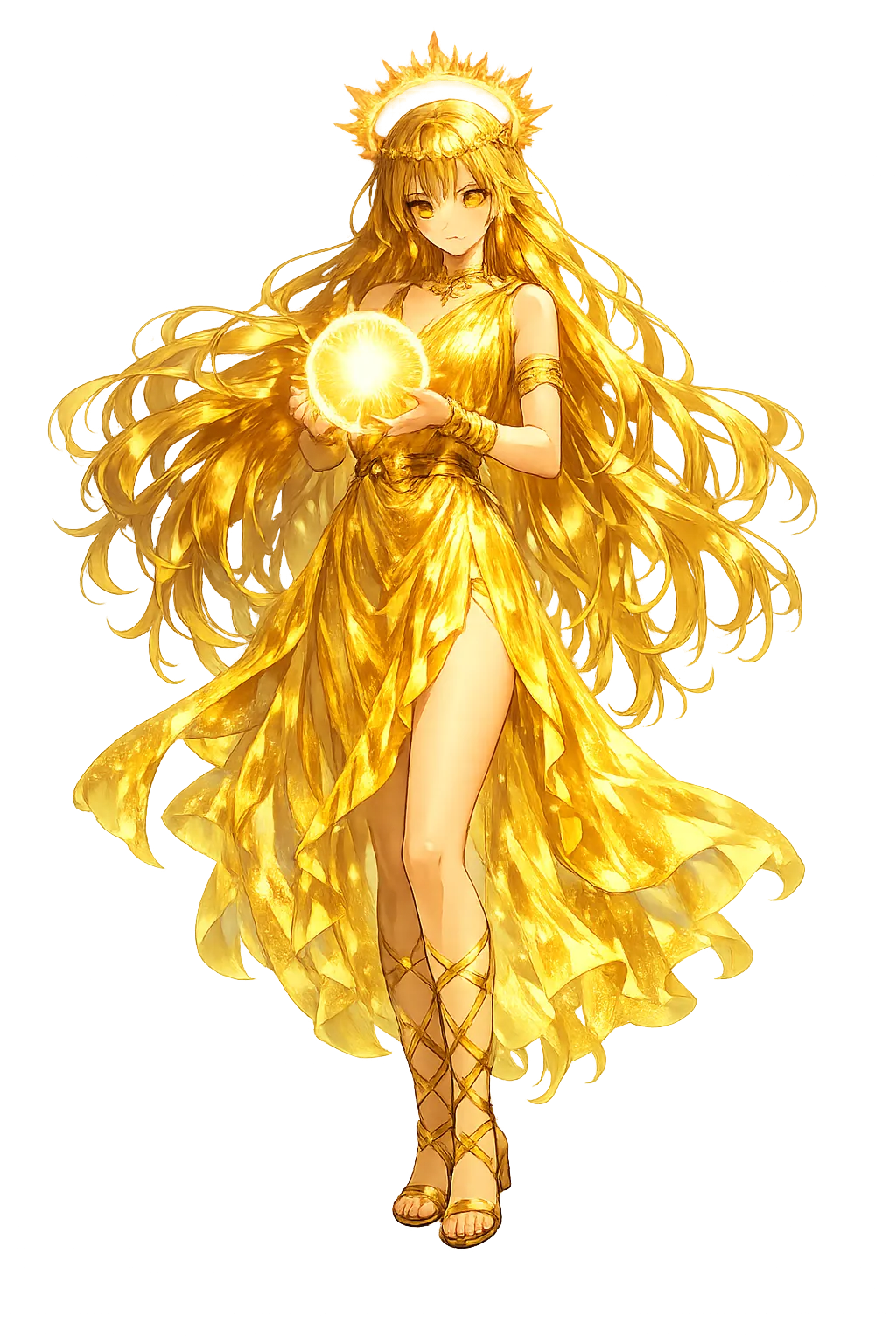
Sacred SymbolsRadiant eyes, Sun, moon, and dawn, Bright ether or aithēr, Gold and clear crystal
02

Etymology & Word Family

From original script to Unicode restoration

Original Script Θεία Theía — "Goddess, divine"
Unicode Restoration Theía Restored stress, length, and script
Modern ASCII theia Plain-ASCII fallback

Theía is Tier 1 because the Greek Θεία contains both length (η in the first syllable) and stress (acute on the ι of the second). She is the Titaness whose children are the celestial lights.

03

Unicode Character Breakdown

Character-by-character philological analysis

CharacterUnicodeNameBlockPhonetic Role
TU+0054Latin Capital Letter TBasic LatinT uppercase
hU+0068Latin Small Letter HBasic Latinh same
eU+0065Latin Small Letter EBasic Latine same
íU+00EDLatin Small Letter I with AcuteLatin-1 SupplementAcute on i
aU+0061Latin Small Letter ABasic Latina same

The Tier 1 classification reflects which ancient features stress, length, or script are preserved in this restoration.

04

Cultural Significance

From ancient cult to modern Unicode

Ancient Domain

Theía is the Titaness of sight, shining, and the bright ether. Though less famous than her children Hēlios, Selēnē, and Eōs, she is the luminous source from which they spring — the divine principle that makes seeing and being seen possible.

Theía in Later Traditions

Theía was sometimes identified with Aphrodite in her celestial aspect, since both were associated with shining and with the planet Venus. In Orphic cosmogonies she appears among the primordial generations, often linked with light and vision. Her children absorbed most of her functions: Helios as sun, Selene as moon, Eos as dawn. Roman poets mention her as Theia but did not develop a distinct cult.

Modern Legacy

Theía survives chiefly in her children and in the vocabulary of vision. Words derived from her root — theory, theater, theorem — preserve the Greek sense that seeing is knowing. In astronomy, her name has been given to a hypothesized proto-planet that collided with early Earth and formed the Moon, a modern scientific tribute to the Titaness of light.

Unicode Restoration as Cultural Act

Restoring Theía in a domain name is more than orthographic accuracy. It is a statement that the internet should recognize the full range of human writing — not only the ASCII keyboard.

05

Frequently Asked Questions

Common questions about Theía, Titaness of Sight, and Unicode restoration

01How do you pronounce Theía?

In reconstructed pronunciation, Theía is /tʰeː.ía/ — approximately 'thay-EE-ah' — the first syllable is long and level, the second pitched high and bright..

02What does Theía mean?

Theía means Goddess, divine in the greek tradition.

03What are the symbols of Theía?

Theía is associated with Radiant eyes (The organs of sight over which she presides), Sun, moon, and dawn (Her three luminous children), Bright ether or aithēr (The luminous medium of the upper sky), Gold and clear crystal (Materials that catch and transmit light).

04Why restore Theía in Unicode?

Plain ASCII theia strips the stress, length, and script that make the name specific. Unicode restoration returns the name to its original written dignity.

05What is the most important myth about Theía?

Hesiod names Theía as the wife of Hyperion and mother of Hēlios (Sun), Selēnē (Moon), and Eōs (Dawn). The trio governs the visible heavens; without Theía, there is no source from which these lights can arise.

06

Scholarly Sources

The philological foundations of this restoration

Every claim on this page is grounded in established scholarship. The orthographic restorations follow disciplinary convention. The etymological chain follows the best available reference works. This is not invention — it is resurrection through scholarship.

Lexicography & Philology

  • Hesiod
  • Liddell, H. G., Scott, R., & Jones, H. S. A Greek-English Lexicon. Oxford: Clarendon Press, 9th ed. 1996.

Primary Texts

  • Hesiod, Theogony
  • Pausanias, Description of Greece
  • Homeric Hymns

Archaeology & Art History

  • Material evidence — iconography, inscriptions, and temple archaeology — for Theía and related cults.
  • Theía had no Panhellenic sanctuary of note. A local cult in Thessaly is mentioned by Pausanias, and she appears in the genealogical poetry of Hesiod and the Orphic tradition. Her iconographic presence is largely indirect: she is implied by the numerous representations of her children Helios, Selene, and Eos in Greek and Roman art.

Religious Studies

  • Beekes, Etymological Dictionary of Greek
  • Orphic Fragments
Return

The Surface Awaits

You have traced the name from its earliest attestation to its Unicode restoration. Now return to the myth. The story is where the name lives.

Back to Lore
Theía mascot