PuniCodex

Extended Lore

𓋴𓏏𓐍 Stḫ

Etymology · Phonology · Orthography · Cultural Legacy · Primary Sources

Tier 1 Stḫ.com
Stḫ — Desert, Storm, Strength
01

Quick Facts

Essential information about Stḫ, Desert, Storm, Strength

Original Script𓋴𓏏𓐍
Unicode RestorationStḫ
Reconstructed Pronunciation/ˈsɛː.tɛx/
PantheonEgyptian
DomainDesert, Storm, Strength
MeaningThe god Seth/Setekh; etymology disputed, possibly "the one who separates"
ClassificationTier 1
Primary DomainStḫ.com
Sacred SymbolsThe Set animal, The red crown's opposite, The iron
02

Etymology & Word Family

From original script to Unicode restoration

Original Script 𓋴𓏏𓐍 Stḫ — "The god Seth/Setekh; etymology disputed, possibly "the one who separates""
Unicode Restoration Stḫ Restored stress, length, and script
Modern ASCII steh Plain-ASCII fallback

The consonantal skeleton stḫ (also stš) is conventionally vocalized "Setekh" or "Setesh"; the Greek Seth and Coptic Sēt preserve the shell. The underdotted ḥ is the voiceless pharyngeal fricative — the restoration keeps the Egyptological transliteration rather than the familiar but softened "Seth."

03

Unicode Character Breakdown

Character-by-character philological analysis

CharacterUnicodeNameBlockPhonetic Role
SU+0053Latin Capital Letter SBasic LatinSame letter
tU+0074Latin Small Letter TBasic LatinSame letter
U+1E2BLatin Small Letter H with Breve BelowUnknownScript-specific letter
N/ADropped characterEgyptian orthographyDropped in the Unicode form

The Tier 1 classification reflects which ancient features stress, length, or script are preserved in this restoration.

04

Cultural Significance

From ancient cult to modern Unicode

Ancient Domain

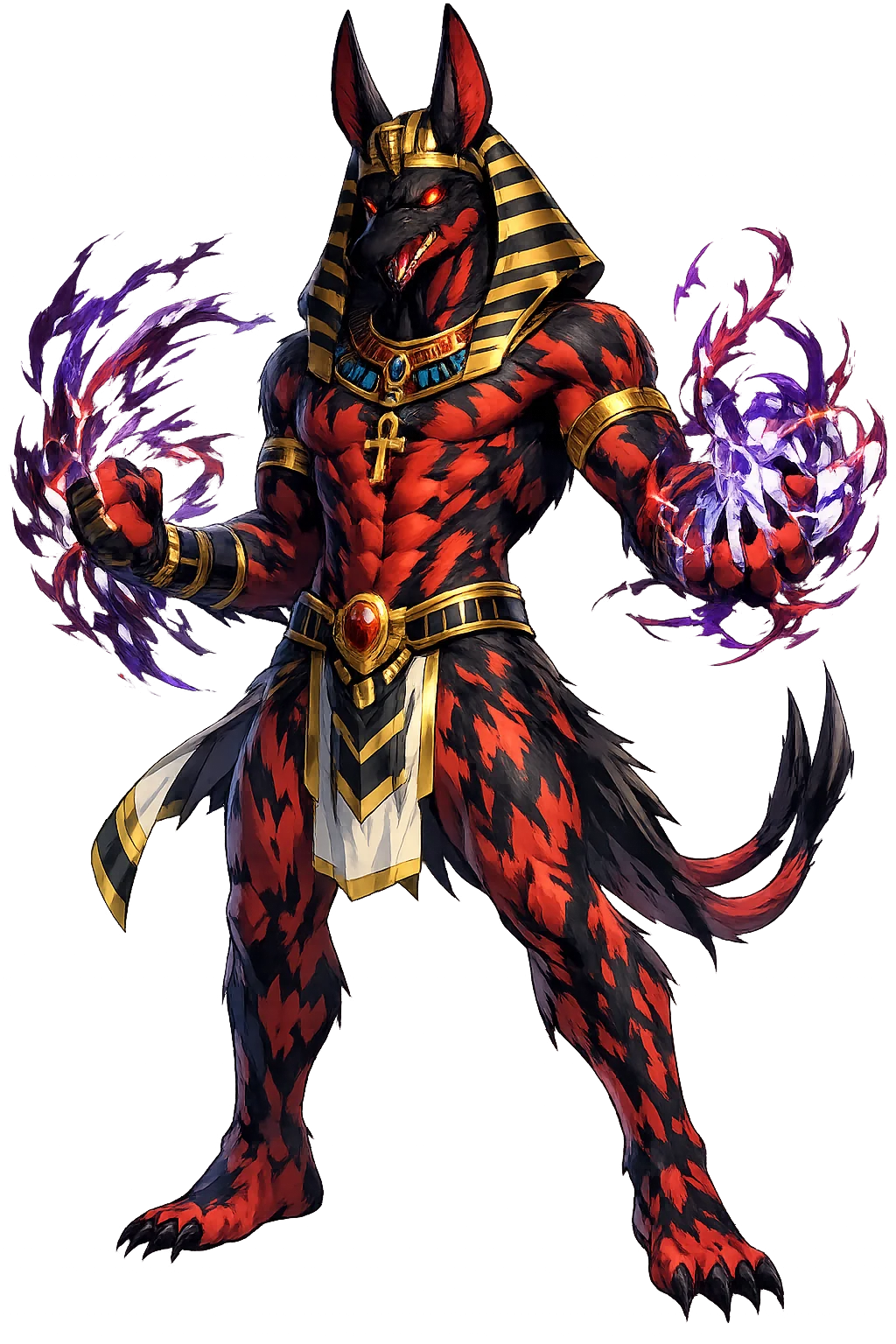
stḫ is the god Egypt could neither worship comfortably nor live without: lord of the red desert, the storm, and the foreign lands — the murderer of Osiris, and also the only god strong enough to stand at the prow of Ra's barque and spear the serpent of chaos, night after night.

Stḫ in Later Traditions

The New Kingdom identified him with Baal, the Syrian storm god — an equation made by warriors, for warriors. The Greeks, reading the Osiris cycle, identified him with Typhōn, the hundred-headed enemy of Zeús, and as Egypt's religion closed, the identification became damnation: Set-Typhon absorbed all evil, his animal was hacked from the reliefs, his name excised. Te Velde's classic study calls the process "the demonization of a god" — the first documented case of a deity becoming a devil.

Modern Legacy

He is the ancestor of every "god of the enemy" in Western imagination — the Typhonian tradition runs from Plutarch through modern occultism. Egyptology's rehabilitation of him (as the necessary opposite, strength without which order is defenceless) is one of the field's signature achievements. The Set animal remains the standard icon of ambiguity itself, and "Sethian" survives as a scholarly label for Gnostic sects who saw the world as his kind of storm.

Unicode Restoration as Cultural Act

Restoring Stḫ in a domain name is more than orthographic accuracy. It is a statement that the internet should recognize the full range of human writing — not only the ASCII keyboard.

05

Frequently Asked Questions

Common questions about Stḫ, Desert, Storm, Strength, and Unicode restoration

01How do you pronounce Stḫ?

In reconstructed pronunciation, Stḫ is /ˈsɛː.tɛx/ — approximately The name ends in the cheth (ḫ), a strong h-sound; Greeks rendered him as Σήθ (Seth)..

02What does Stḫ mean?

Stḫ means The god Seth/Setekh; etymology disputed, possibly "the one who separates" in the egyptian tradition.

03What are the symbols of Stḫ?

Stḫ is associated with The Set animal (The unidentifiable beast — ambiguity made heraldry), The red crown's opposite (Lord of the red desert, against Horus of the black land), The iron ("The iron of Set" — the Egyptians' name for meteoric metal and hardness).

04Why restore Stḫ in Unicode?

Plain ASCII steh strips the stress, length, and script that make the name specific. Unicode restoration returns the name to its original written dignity.

05What is the most important myth about Stḫ?

The centre of his infamy: stḫ kills his brother Osiris — by trickery in the chest episode Plutarch records, by violence in the Egyptian litanies — scatters the body through Egypt, and claims the throne. Isis and Nephthys gather the pieces; ꜣnpw wraps them; and the god of chaos becomes, unwillingly, the reason the world has resurrection.

06

Scholarly Sources

The philological foundations of this restoration

Every claim on this page is grounded in established scholarship. The orthographic restorations follow disciplinary convention. The etymological chain follows the best available reference works. This is not invention — it is resurrection through scholarship.

Lexicography & Philology

  • Faulkner, R. O. A Concise Dictionary of Middle Egyptian. Oxford: Griffith Institute, 1962.
  • Gardiner
  • Te Velde

Primary Texts

  • The Pyramid Texts; The Coffin Texts; The Book of the Dead.

Archaeology & Art History

  • Material evidence — iconography, inscriptions, and temple archaeology — for Stḫ and related cults.
  • His cult centre was Nubt (Ombos, near modern Naqada), the "gold town," where temple remains and the predynastic votives tie him to Egypt's earliest strata; Set-animal standards appear on the Scorpion macehead and the Narmer palette's war context. The sha-beast's erasure is itself archaeological: reliefs at Karnak and elsewhere show the animal chiseled out in the Late Period and restored by modern epigraphy. The Edfu temple texts preserve the fullest dramatic liturgy of the Horus-Set conflict, performed as temple drama.

Religious Studies

  • Te Velde
  • Gardiner
  • Allen, Middle Egyptian
  • Bonneau
  • Egyptology
Return

The Surface Awaits

You have traced the name from its earliest attestation to its Unicode restoration. Now return to the myth. The story is where the name lives.

Back to Lore
Stḫ mascot