
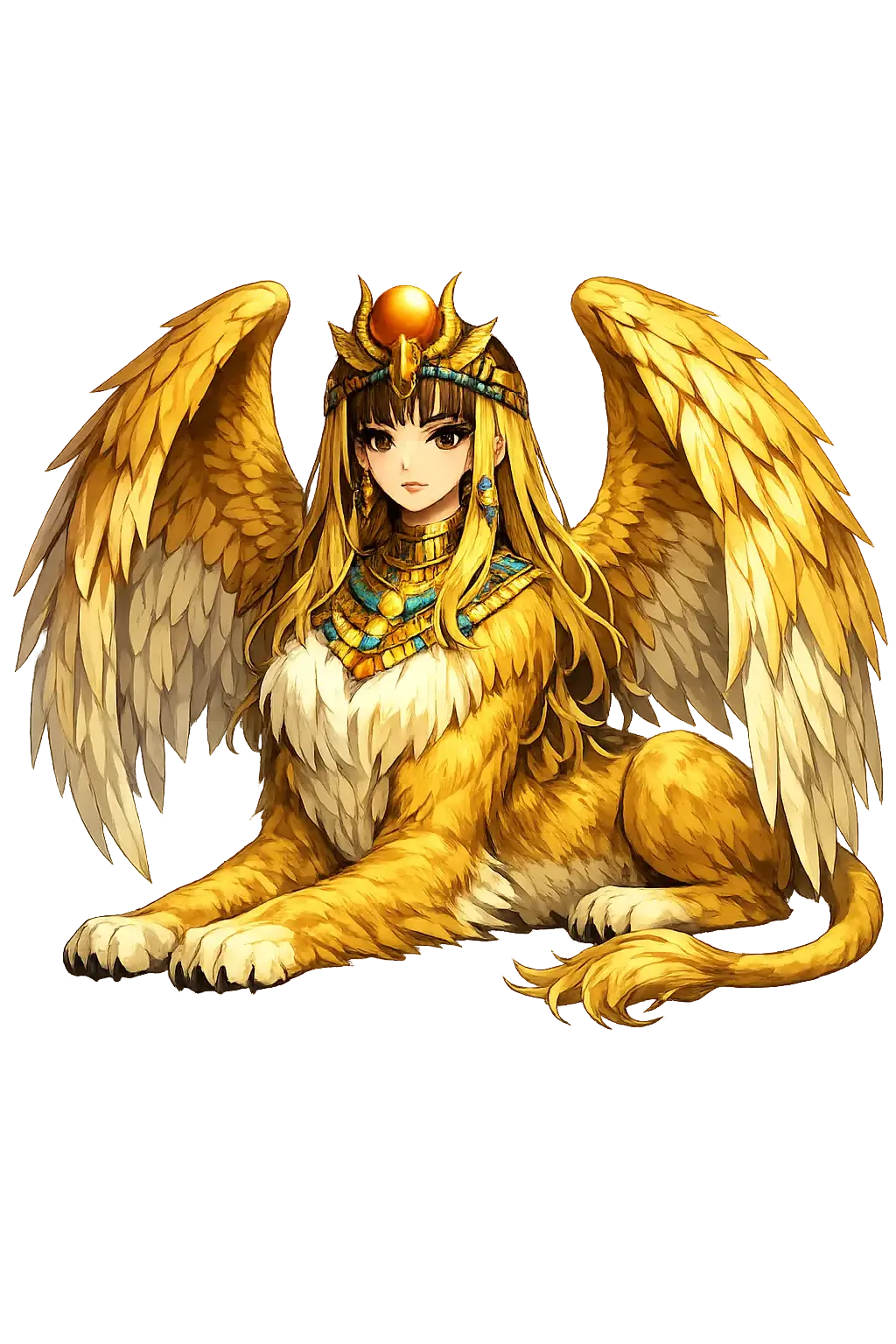
The Sphínx file: from sphinx to the temple it became
The domain you're reading about exists because someone refused to let Sphínx stay sphinx.
The Greek Sphinx is a daughter of monstrous parents, sent by Hera to punish Thebes. Her story is inseparable from the tragedy of Oedipus. The Sphinx was born from Echidna, the half-woman half-serpent, and Typhon, the storm-giant who once challenged Zeus. Her siblings included Cerberus, the Hydra, and the Nemean Lion.
That is the figure this file is about — and the temple now standing at its restored name.
At a Glance
- Restored name: Sphínx
- ASCII form: sphinx
- Meaning: "Strangler"
- Domain of influence: Riddling Monster
- Pantheon: Greek
- Classification: Tier 2
- Original script: Σφίγξ
- Series: The Restoration Files, No. 228 of 271
The Name Before the Marks
The name is attested as Σφίγξ. On the evidence, it means "Strangler".
Strip Sphínx to sphinx and one piece of evidence vanishes:
- i → í — Acute on i (Σφίγξ): the stress position the ASCII form cannot show.
These are the small, provable things a restoration is made of: not taste, not branding — attestation.
The Temple That Stands Now
The restored name is not a plaque; it is an address. The temple of Sphínx lives at /sites/sphinx/, with its mythology in the lore halls, its peer-reviewed record in the Scholarly Edition, and its place in the pattern atlas on the patterns floor.
The restoration preserves one decisive feature the ASCII form drops — a single, honest mark — which places it in Tier-2: exact, and exactly labeled.
Every flagship temple is hand-built to the same standard: the original script displayed with its provenance, the pronunciation reconstructed phoneme by phoneme, the sources named — because a restoration you cannot audit is just a spelling with confidence.
The Archetype at Work
A temple is also a reading of what this figure means — and meanings have addresses in the modern world. The pattern atlas maps Sphínx to the industries its archetype genuinely resonates with, each match argued, weighted, and open to challenge:
- Cybersecurity & Digital Protection — The original security question: answer the riddle or be denied.
- Gaming, Fantasy & Entertainment IP — The riddle gate; puzzle design’s ancestor.
- Mental Health & Emotional Wellness — Her riddle opens the Theban drama Freud made psychology's founding case study.
If a match here reads wrong, the atlas says how to challenge it. The patterns are falsifiable — that is what makes them worth publishing.
In the Sacred Texts
The Greek tradition is not a vibe; it is a library. The Sacred Texts collection holds Theogony, Homeric Hymns, and Works and Days — the primary sources the temple's scholarship is built on, free to read, cross-linked back to the names they mention. The temple is the argument; the texts are the evidence.
The File Continues
This is one of 271 Restoration Files — a second dispatch from every flagship temple in the fleet. The temple's first dispatch tells the founding story of the name; the blog index holds the whole archive.
Continue the series — previous file: Spártē (read it here) · next file: Stḫ (read it here).
The Restoration Files are written from the same canonical record as the temples themselves: the lexicon, the lore catalog, the pattern atlas, and the cited scholarly sources. If a file ever disagrees with its temple, the temple is right — tell us, and the file will be corrected.