PuniCodex

Extended Lore

शाक्यमुनि Śākyamuni

Etymology · Phonology · Orthography · Cultural Legacy · Primary Sources

Tier 1 Śākyamuni.com
Śākyamuni — Enlightenment, Teaching, Historical Buddha
01

Quick Facts

Essential information about Śākyamuni, Enlightenment, Teaching, Historical Buddha

Original Scriptशाक्यमुनि
Unicode RestorationŚākyamuni
Reconstructed Pronunciation/ˈɕaː.kjɐ.mu.ni/
PantheonBuddhist
DomainEnlightenment, Teaching, Historical Buddha
Meaning‘sage of the Śākya clan’, epithet of the historical Buddha Siddhārtha Gautama, MW.
ClassificationTier 1
Primary DomainŚākyamuni.com
Sacred SymbolsThe Bodhi tree, The earth-touching hand, The begging bowl
02

Etymology & Word Family

From original script to Unicode restoration

Original Script शाक्यमुनि Śākyamuni — "‘sage of the Śākya clan’, epithet of the historical Buddha Siddhārtha Gautama, MW."
Unicode Restoration Śākyamuni Restored stress, length, and script
Modern ASCII shakyamuni Plain-ASCII fallback

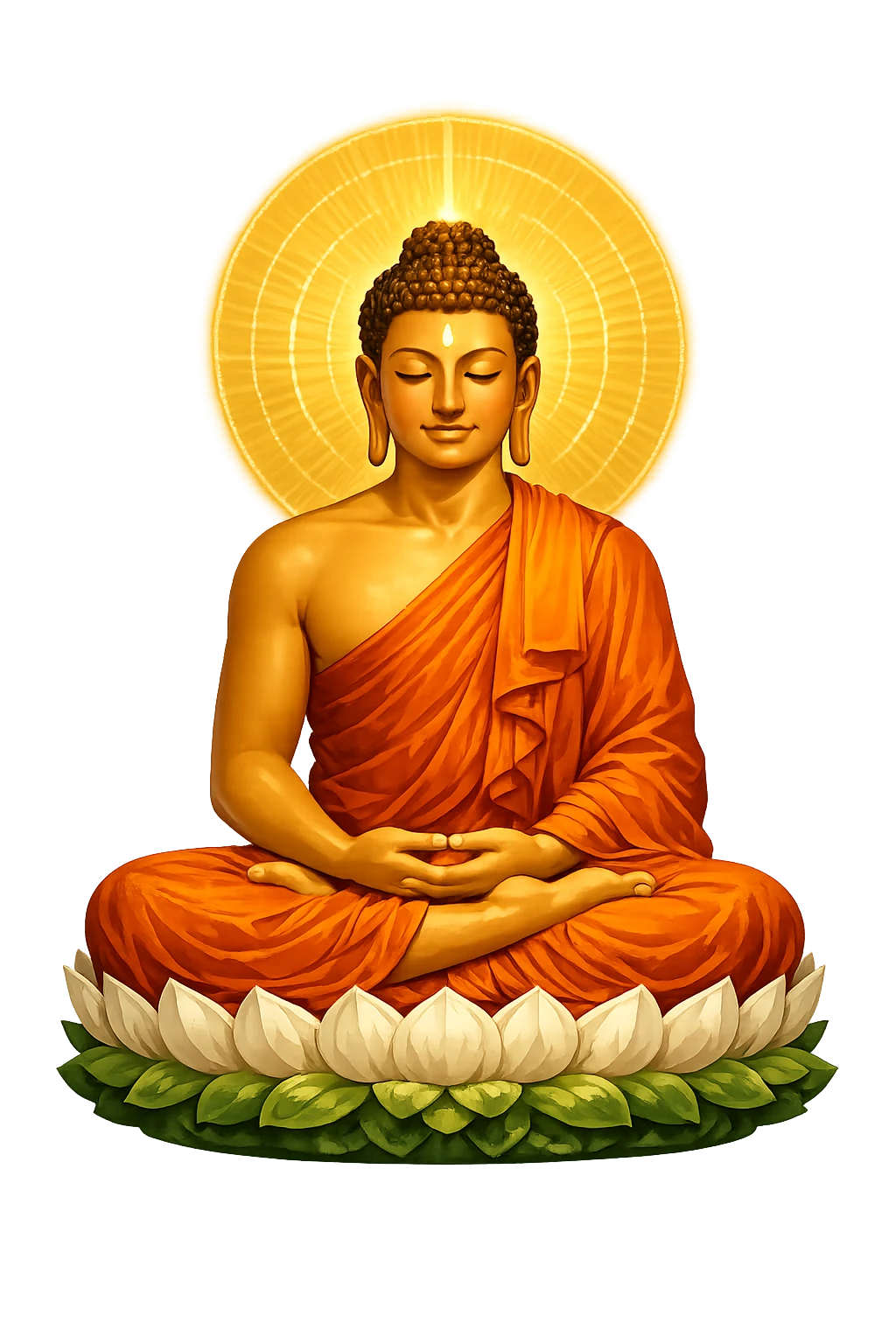
Śākyamuni is a title, not a personal name: śākya, of the Śākya clan of Kapilavastu, + muni, "sage, silent one" (Monier-Williams) — "the sage of the Śākyas." His personal name was Siddhārtha (Pāli Siddhattha), his clan name Gautama (Pāli Gotama); the tradition itself connects Śākya with the śāka (teak) tree of the clan's founding legend. The restoration keeps the palatal ś and the long ā that the ASCII "Shakyamuni" only approximates. Tier-1 by rule.

03

Unicode Character Breakdown

Character-by-character philological analysis

CharacterUnicodeNameBlockPhonetic Role
ŚU+015ALatin Capital Letter S with AcuteLatin Extended-AŚ: voiceless palatal sibilant /ɕ/
N/ADropped characterBuddhist orthographyPart of ś digraph
āU+0101Latin Small Letter A with MacronLatin Extended-AMacron: long /aː/
kU+006BLatin Small Letter KBasic LatinSame
yU+0079Latin Small Letter YBasic LatinSame
aU+0061Latin Small Letter ABasic LatinSame
mU+006DLatin Small Letter MBasic LatinSame
uU+0075Latin Small Letter UBasic LatinSame
nU+006ELatin Small Letter NBasic LatinSame
iU+0069Latin Small Letter IBasic LatinSame

The Tier 1 classification reflects how much of the original phonology this restoration preserves — stress and vowel length for Greek names, distinctive letters and diacritics for every other tradition.

04

Cultural Significance

From ancient cult to modern Unicode

Ancient Domain

Śākyamuni is the historical Buddha: Siddhārtha Gautama of the Śākya clan, who left a palace at twenty-nine, awoke under the Bodhi tree at thirty-five, taught for forty-five years across the Ganges plain, and died at eighty between two sāla trees — the one teacher of antiquity whose birthplace an emperor certified in stone.

Śākyamuni in Later Traditions

Every Buddhism is his daughter: the Theravāda of the Pāli canon, the Mahāyāna that set him among countless Buddhas yet kept his biography as the pattern of all awakening, the Vajrayāna that read his life as an already-enlightened being's demonstration. East Asia naturalized the name itself — Chinese Shìjiāmóuní, Japanese Shakamuni, Korean Seokgamoni — and Southeast Asia made his earth-touching gesture the single most common Buddha image on earth. Modern scholarship from Rhys Davids onward has treated him as history's first fully-documented founder: a reformer of the Gangetic plain whose dates, places, and words can be argued from evidence, not legend alone.

Modern Legacy

A third of Asia orders its calendar by him: Vesak keeps his birth, awakening, and death in one full-moon festival; the Buddhist Era counts from his parinibbāna; India's national emblem is the lion capital of the pillar Aśoka raised at his first sermon. The English word "Buddha" is his epithet — "the Awakened" — and Śākyamuni remains the name that ties the cosmic teacher back to a clan, a grove, and a date: the sage of the Śākyas, a man of one valley whose refusal to accept decay as final became a world religion.

Unicode Restoration as Cultural Act

Restoring Śākyamuni in a domain name is more than orthographic accuracy. It is a statement that the internet should recognize the full range of human writing — not only the ASCII keyboard.

05

Frequently Asked Questions

Common questions about Śākyamuni, Enlightenment, Teaching, Historical Buddha, and Unicode restoration

01How do you pronounce Śākyamuni?

In reconstructed pronunciation, Śākyamuni is /ˈɕaː.kjɐ.mu.ni/ — approximately SHAH-kyuh-moo-nih — ś is the soft palatal 'sh'; the ā of Śākya is long..

02What does Śākyamuni mean?

Śākyamuni means ‘sage of the Śākya clan’, epithet of the historical Buddha Siddhārtha Gautama, MW. in the buddhist tradition.

03What are the symbols of Śākyamuni?

Śākyamuni is associated with The Bodhi tree (The axis of the awakening: the tree a whole religion still calls by one name), The earth-touching hand (Bhūmisparśa: the gesture that called the earth to witness against Māra), The begging bowl (The middle way in an object: neither the palace's gold nor the ash of the fire-ascetics).

04Why restore Śākyamuni in Unicode?

Plain ASCII shakyamuni strips the stress, length, and script that make the name specific. Unicode restoration returns the name to its original written dignity.

05What is the most important myth about Śākyamuni?

Queen Māyā, traveling to her father's house, gave birth standing in the grove at Lumbinī, holding the branch of a sāla tree; the child took seven steps and declared this his last birth. The legends multiplied — the shower of blossoms, the two streams of water, the prophecy of the sage Asita — but the place is fixed in stone: Aśoka's pillar at Rummindei, raised in his twentieth regnal year, reads in plain Prakrit, hida budhe jāte sakyamuni — "here the Buddha Śākyamuni was born." It is the only birthplace of a world teacher certified by a contemporary emperor.

06

Scholarly Sources

The philological foundations of this restoration

Every claim on this page is grounded in established scholarship. The orthographic restorations follow disciplinary convention. The etymological chain follows the best available reference works. This is not invention — it is resurrection through scholarship.

Lexicography & Philology

  • MW
  • Buddhist texts

Primary Texts

  • The Larger Sukhāvatī-vyūha Sūtra; the Smaller Sukhāvatī-vyūha Sūtra; the Amitāyurdhyāna Sūtra; the Lotus Sūtra.

Archaeology & Art History

  • Material evidence — iconography, inscriptions, and temple archaeology — for Śākyamuni and related cults.
  • No sacred biography of antiquity is better grounded. Lumbinī's Rummindei pillar (Aśoka's twentieth year, c. 249 BCE) names the birthplace in words; Kapilavastu's candidate sites (Piprahwa, with its inscribed relic vase of 1898, debated but famous) anchor the clan; Bodh Gayā preserves the seat itself, marked by Aśoka's shrine and the Mahābodhi temple of later centuries; Sarnath holds the Dhāmekh stupa and the lion capital that India took as its national emblem; Kusinārā (Kushinagar) keeps the parinirvāṇa temple and the cremation stupa. The eight original relic stupas of DN 16 began the tradition that Aśoka multiplied, by the later legend, to eighty-four thousand.

Religious Studies

  • Ariyapariyesanā Sutta (MN 26)
  • Dhammacakkappavattana Sutta (SN 56.11)
  • Mahāparinibbāna Sutta (DN 16)
  • Buddhacarita
  • Lalitavistara
  • Monier-Williams
Return

The Surface Awaits

You have traced the name from its earliest attestation to its Unicode restoration. Now return to the myth. The story is where the name lives.

Back to Lore
Śākyamuni mascot