The Authentic Orthography
Motherhood, Fertility, Titans · Flow, ease (from ῥέω)
Unicode restoration and ASCII comparison
Ῥέα
The name in its original Greek form. Rhéā (Ῥέα) is attested in the source tradition — “Flow, ease (from ῥέω)”. Its acute accents carry the full phonetic and orthographic weight of the source tradition.
rhea
Reduced to plain rhea, the name loses everything that made it specific: acute accents. What remains is an ASCII string that machines can parse but that no longer speaks with its original voice.
Rhéā
The Unicode restoration recovers what ASCII flattened. Rhéā restores acute accents, returning the name to its original written dignity. The domain encodes to Punycode, but the browser displays the truth.
Rhéā.com → xn--rh-cja0h.com
The non-ASCII characters in Rhéā are encoded while the ASCII remains visible. To the DNS, it is Punycode. To humanity, it is Rhéā.
How Rhéā is preserved in writing
A bespoke provenance study for Rhéā is being prepared by the PUNICODEX scholarly team.
Contribute scholarly provenance →How Rhéā was spoken
Fertility, Mountain, Maternal Cunning
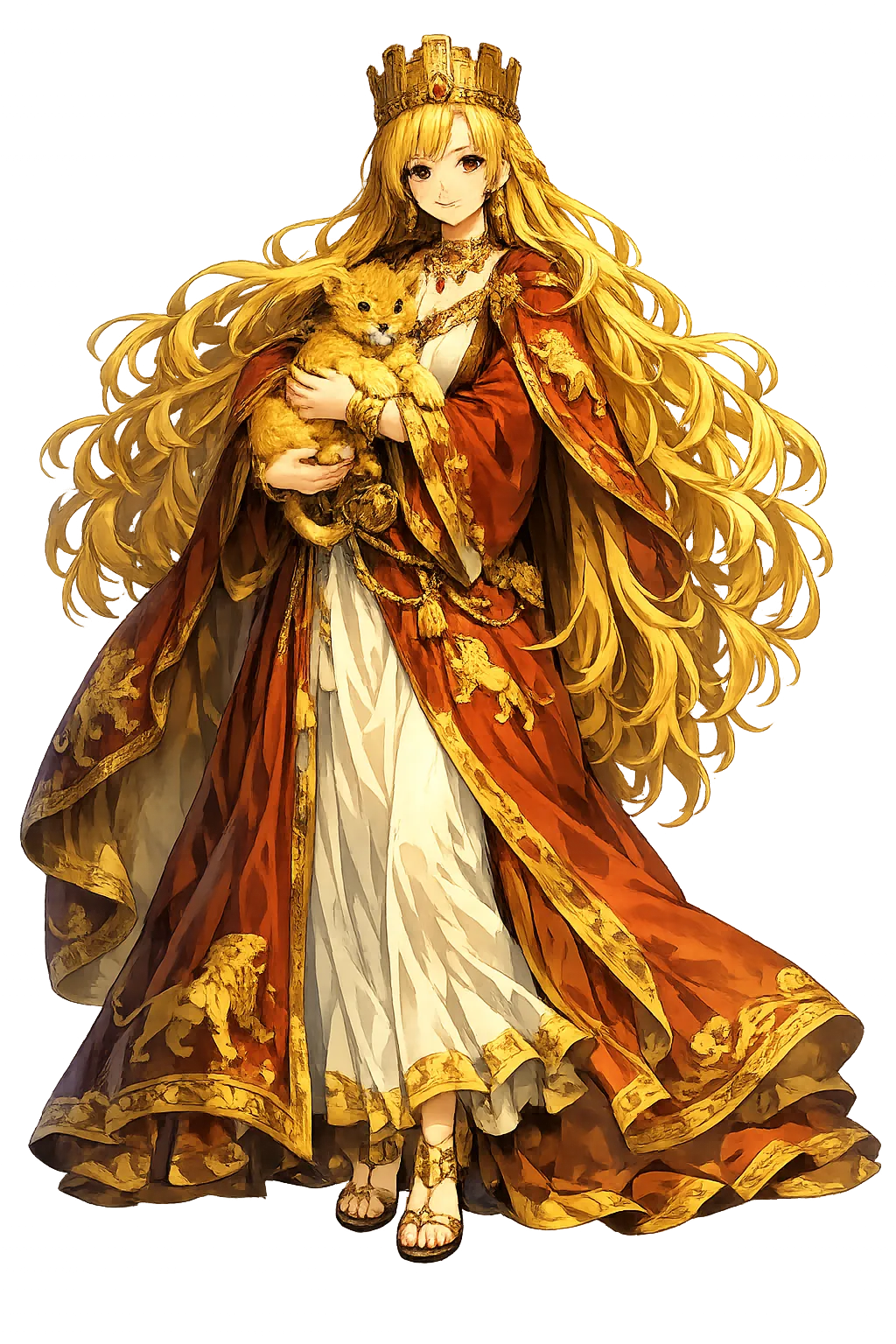
Rhéā is the Titaness who gave birth to the Olympian gods and saved the youngest, Zeus, from being swallowed by his father Kronos. She is the mountain mother, the fertile earth, and the cunning protector of divine succession.
By Kronos she bore Hestia, Demeter, Hera, Hades, Poseidon, and Zeus.
She hid the infant Zeus in a Cretan cave and gave Kronos a stone in swaddling clothes.
Worshipped on Crete and in Phrygia as a mother of wild things and mountains.
Her name's possible link to 'flow' connects her to springs, milk, and abundance.
Stories of Rhéā
Rhéā's myth is the hinge between Titanic and Olympian rule. She endures Kronos's violence, then engineers the survival of the son who will overthrow him.
Kronos, warned that one of his children would overthrow him, swallowed each infant as Rhea bore them. Rhea wept but was powerless until the birth of Zeus. Then she turned from grieving mother to strategist.
Rhea asked her parents Gē and Ouranos for advice. They sent her to Crete, where she gave birth to Zeus in a hidden cave. She wrapped a great stone in swaddling clothes and presented it to Kronos, who swallowed it unaware. The stone was later set up at Delphi as the omphalos.
To hide the infant Zeus's cries, Rhea's attendants the Kouretes clashed their weapons and danced. The ritual became a Cretan mystery: the birth of the god was protected by noise, movement, and collective vigilance.
Rhéā is the mother who learns to deceive in order to protect. She does not confront Kronos directly; she outwits him with a stone. This is not weakness but strategic love — the recognition that survival sometimes requires cunning rather than force.
Enter Extended Lore