PuniCodex

Extended Lore

Πάν Pān

Etymology · Phonology · Orthography · Cultural Legacy · Primary Sources

Tier 2 Pān.com
Pān — Wilderness, Shepherds, Flocks
01

Quick Facts

Essential information about Pān, Wilderness, Shepherds, Flocks

Original ScriptΠάν
Unicode RestorationPān
Reconstructed Pronunciation/pán/
PantheonGreek
DomainWilderness, Shepherds, Flocks
MeaningGod of shepherds, flocks, mountain wilds, and the panic that strikes lonely places; his name was popularly derived from Greek πᾶν ("all") but likely originated in Arcadian Πάων ("shepherd")
ClassificationTier 2
Primary DomainPān.com
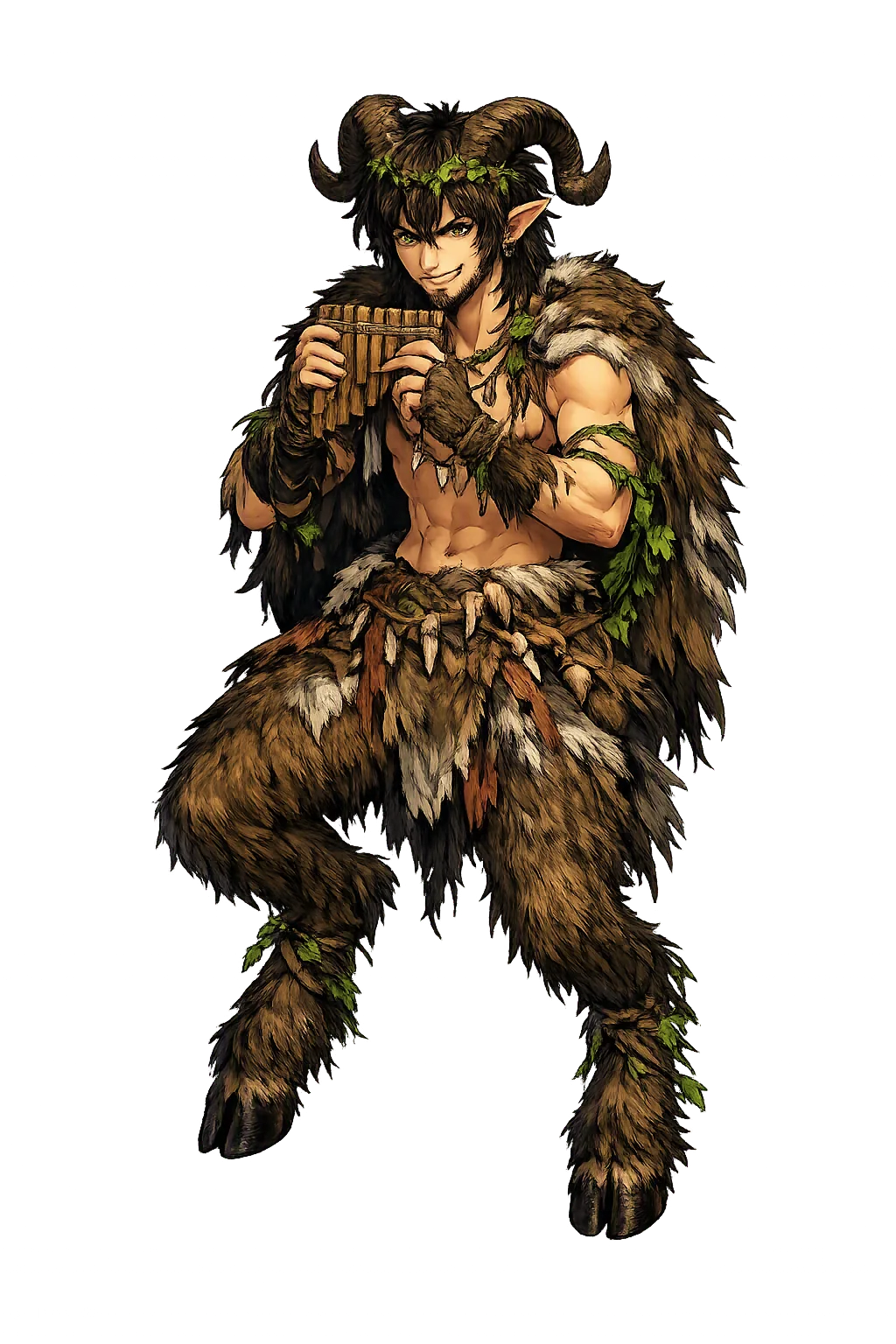
Sacred SymbolsSyrinx (panpipes), Goat legs and horns, Lagobolon, Pine wreath, The hare
02

Etymology & Word Family

From original script to Unicode restoration

Proto-indo-european *peh₂- to guard, to shepherd
Original Script Πάν Pān — "God of shepherds, flocks, mountain wilds, and the panic that strikes lonely places; his name was popularly derived from Greek πᾶν ("all") but likely originated in Arcadian Πάων ("shepherd")"
Unicode Restoration Pān Restored stress, length, and script
Modern ASCII pan Plain-ASCII fallback

Tier 2 — a single preserved feature. The Attic name Πάν carries only an acute accent on a short alpha (stress without length); the long ā belongs to the Arcadian by-form Πάων, 'shepherd', which the restoration Pān honors instead. Either way the name keeps one distinctive mark, never both, which is exactly what Tier 2 certifies.

03

Unicode Character Breakdown

Character-by-character philological analysis

CharacterUnicodeNameBlockPhonetic Role
PU+0050Latin Capital Letter PBasic LatinSame, capitalized
āU+0101Latin Small Letter A with MacronLatin Extended-AMacron marks the long alpha
nU+006ELatin Small Letter NBasic LatinSame

The Tier 2 classification reflects how much of the original phonology this restoration preserves — stress and vowel length for Greek names, distinctive letters and diacritics for every other tradition.

04

Cultural Significance

From ancient cult to modern Unicode

Ancient Domain

Pān is the goatherd-god of Arcadia: master of shepherds and flocks, lord of the mountain wilds, and author of the sudden, groundless terror the Greeks named for him. He belongs to the empty places and the empty hours — above all to noon, when the hills fall silent and the wise shepherd lays down his pipe. His temples were caves, his congregation the nymphs, and his music the sound a reed makes when it is no longer a girl.

Pān in Later Traditions

Rome identified Pān with Faunus, the prophetic field-and-flock spirit, and with Silvanus of the woodland fringe; Virgil had already naturalized him into Latin pastoral as the god who 'cares for the sheep and their masters' (Eclogues 2.33). A second transformation ran the other way: because Plato (Cratylus 408b–d) had read his name as πᾶν, 'the All', late-antique piety enlarged the goatherd into a cosmic god — the Orphic Hymn to Pan (11) hymns him as ether, sea, earth, and fire, the very body of the world. The Arcadian cave-dweller ends as a name for Nature entire.

Modern Legacy

His most durable gift to English is the word panic: Greek τὸ πανικὸν δεῖμα, 'the fear that comes from Pān', passed through Latin panicus and French panique into the modern languages almost unchanged. Pastoral poetry kept his pipes playing from Virgil to the Romantics — Keats's 'Hymn to Pan' crowns the opening of Endymion (1818) — and Elizabeth Barrett Browning's 'A Musical Instrument' fixed him for the Victorian age: 'What was he doing, the great god Pan, / Down in the reeds by the river?' Arthur Machen's novella The Great God Pan (1894) proved the old dread still had teeth.

Unicode Restoration as Cultural Act

Restoring Pān in a domain name is more than orthographic accuracy. It is a statement that the internet should recognize the full range of human writing — not only the ASCII keyboard.

05

Frequently Asked Questions

Common questions about Pān, Wilderness, Shepherds, Flocks, and Unicode restoration

01How do you pronounce Pān?

In reconstructed pronunciation, Pān is /pán/ — approximately 'PAHN' — one clean syllable; let the pitch lift on the á rather than hammering it, and keep the vowel open and pure..

02What does Pān mean?

Pān means God of shepherds, flocks, mountain wilds, and the panic that strikes lonely places; his name was popularly derived from Greek πᾶν ("all") but likely originated in Arcadian Πάων ("shepherd") in the greek tradition.

03What are the symbols of Pān?

Pān is associated with Syrinx (panpipes) (The instrument that is also his beloved: the nymph Syrinx, transformed into reeds at the river Ladon, bound with wax into the shepherd's pipe that keeps her name (Ovid, Metamorphoses 1).), Goat legs and horns (His irreconcilable half-wildness made flesh; the Homeric Hymn to Pan (19.2–3) describes him at birth as goat-footed and two-horned, and Arcadian art never let him outgrow it.), Lagobolon (The shepherd's throwing-stick for hares, carried in his hand on Arcadian coinage and statuary — the hunting companion of the crook.), Pine wreath (Pān wears the pine in cult and art; later poets told that the nymph Pitys, fleeing him, was changed into the pine, and that his crown keeps her.), The hare (His quarry and his swaddling: Hermes carried the infant Pān to Olympus wrapped in hare-skins (Homeric Hymn to Pan 19.41–42), and the god still holds the hare in Arcadian images.).

04What is the difference between Pān.com?

Each is a historically defensible restoration. Pán.com is the ideal form: Stress-preserved ideal form; currently registered/unavailable.

05Why restore Pān in Unicode?

Plain ASCII pan strips the stress, length, and script that make the name specific. Unicode restoration returns the name to its original written dignity.

06What is the most important myth about Pān?

In Metamorphoses 1 (689–712), Ovid tells how Pān pursued the Arcadian nymph Syrinx to the river Ladon, where her sisters' prayers changed her into marsh reeds just as his arms closed around her. His sigh stirred the reeds into music, and, vowing that he and she would speak together so, he bound reeds of unequal length with wax and made the pipe that keeps her name. The syrinx is therefore not an instrument Pān owns but a beloved he could not hold — and its breathy voice is the sound of desire outlasting transformation.

06

Scholarly Sources

The philological foundations of this restoration

Every claim on this page is grounded in established scholarship. The orthographic restorations follow disciplinary convention. The etymological chain follows the best available reference works. This is not invention — it is resurrection through scholarship.

Lexicography & Philology

  • Liddell, H. G., Scott, R., & Jones, H. S. A Greek-English Lexicon. Oxford: Clarendon Press, 9th ed. 1996.
  • Pape, W., & Benseler, G. E. Wörterbuch der griechischen Eigennamen. Braunschweig: Vieweg, 1884.
  • Beekes, R. S. P. Etymological Dictionary of Greek. Leiden: Brill, 2010.
  • Homeric Hymn to Pan

Primary Texts

  • Homeric Hymn to Pan
  • Plato
  • Pausanias
  • Ovid
  • Virgil
  • Orphic Hymns

Archaeology & Art History

  • Material evidence — iconography, inscriptions, and temple archaeology — for Pān and related cults.
  • The Athenian cult begins exactly where Herodotus leaves it: a cave-shrine cut into the north slope of the Acropolis, founded after Marathon and honored with a torch-race (Hdt. 6.106). Above Delphi the great Corycian Cave was sacred to Pān and the nymphs together, and Pausanias (10.32.7) saw their statues standing inside it. In Arcadia itself his cult was everywhere — Pausanias's eighth book records grotto-shrines, altars, and temples of Pān in every corner of the mountain country he called home.

Religious Studies

  • Herodotus
Return

The Surface Awaits

You have traced the name from its earliest attestation to its Unicode restoration. Now return to the myth. The story is where the name lives.

Back to Lore
Pān mascot