Unicode restoration and ASCII comparison
Οὐρανός
The name in its original Greek form. Ouranós (Οὐρανός) is attested in the source tradition — “Heaven, sky”. Its acute accents carry the full phonetic and orthographic weight of the source tradition.
ouranos
Reduced to plain ouranos, the name loses everything that made it specific: acute accents. What remains is an ASCII string that machines can parse but that no longer speaks with its original voice.
Ouranós
The Unicode restoration recovers what ASCII flattened. Ouranós restores acute accents, returning the name to its original written dignity. The domain encodes to Punycode, but the browser displays the truth.
Ouranós.com → xn--ourans-fxa.com
The non-ASCII characters in Ouranós are encoded while the ASCII remains visible. To the DNS, it is Punycode. To humanity, it is Ouranós.
How Ouranós is preserved in writing
A bespoke provenance study for Ouranós is being prepared by the PUNICODEX scholarly team.
Contribute scholarly provenance →How Ouranós was spoken
Heaven, Primordial Father, Cosmic Roof
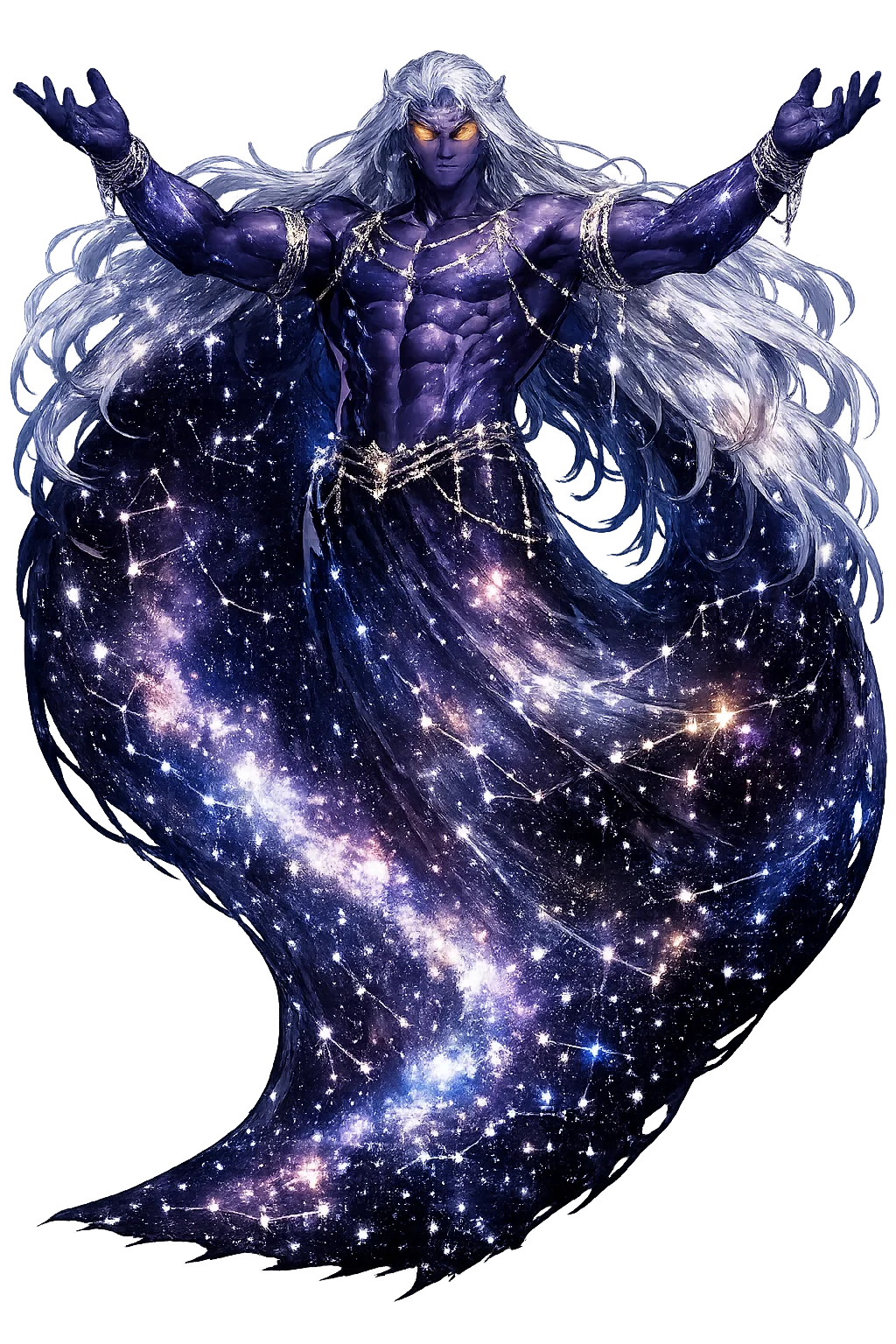
Ouranós is the personification of the sky, the primordial father whose body forms the vault of heaven. Born from Gē without a mate, he became her consort and the first ruler of the cosmos — until his son overthrew him.
The solid dome overhead, studded with stars, who was also a living god.
With Gē he fathered the first generation of gods: Kronos, Rhea, Oceanus, and others.
Kronos castrated him with an adamantine sickle, ending his rule and inaugurating the Titan age.
His mutilated body became the visible heavens, the outer boundary of the cosmos.
Stories of Ouranós
Ouranós is the first tyrant of Greek cosmogony: a father who fears his children and is destroyed by one of them. His fall sets the pattern of divine succession.
After Chaos and Gē came Ouranós, 'starry' and equal to her in size. He covered Gē on every side and became the secure seat of the blessed gods. With her he fathered the Titans, the Cyclopes, and the Hundred-Handers.
Ouranós hated his children and forced them back into Gē's womb. In pain, Gē fashioned a great sickle of adamant and persuaded Kronos to lie in wait. When Ouranós came to lie with Gē, Kronos cut off his genitals and cast them into the sea. From the foam arose Aphrodite.
From the drops of Ouranós's blood that fell on Gē sprang the Erinyes, the Giants, and the ash-tree nymphs. His overthrow thus generated the very forces that would later threaten Zeus's own rule, making the primal violence echo through cosmic history.
Ouranós is the sky as prison. He covers Gē completely, not as a lover but as a lid, and his children cannot be born into light. His castration is therefore a cosmogonic necessity: the sky must be pushed back so that life can emerge between earth and heaven.
Enter Extended Lore