PuniCodex

Extended Lore

Ọbà Ọbà

Etymology · Phonology · Orthography · Cultural Legacy · Primary Sources

Tier 1 Ọbà.com · Ọba.com
Ọbà — River, Devotion, Sanctuary
01

Quick Facts

Essential information about Ọbà, River, Devotion, Sanctuary

Original ScriptỌbà
Unicode RestorationỌbà
Reconstructed Pronunciation/ɔ̀.bá/
PantheonYoruba
DomainRiver, Devotion, Sanctuary
MeaningThe river orisha Ọba — co-wife of the thunder god, lady of the sacred waters
ClassificationTier 1
Primary DomainỌbà.com
Sacred SymbolsThe covered ear, The brass bracelet, The red parrot feather
02

Etymology & Word Family

From original script to Unicode restoration

Original Script Ọbà Ọbà — "The river orisha Ọba — co-wife of the thunder god, lady of the sacred waters"
Unicode Restoration Ọbà Restored stress, length, and script
Modern ASCII oba Plain-ASCII fallback

Ọba names the river orisha of the Ọba River; the precomposed dot-below Ọ is the domain-maximal form (tone marks cannot be registered), and the fuller tone-marked Ọ̀bá is preserved in the temple's display text. The dot-below marks the open-mid vowel; the fuller tonal form Ọ̀bá is preserved in the temple's display text.

03

Unicode Character Breakdown

Character-by-character philological analysis

CharacterUnicodeNameBlockPhonetic Role
U+1ECCLatin Capital Letter O with Dot BelowUnknownO with dot below: open /ɔ/
bU+0062Latin Small Letter BBasic LatinSame
àU+00E0Latin Small Letter A with GraveLatin-1 SupplementGrave: low tone

The Tier 1 classification reflects how much of the original phonology this restoration preserves — stress and vowel length for Greek names, distinctive letters and diacritics for every other tradition.

04

Cultural Significance

From ancient cult to modern Unicode

Ancient Domain

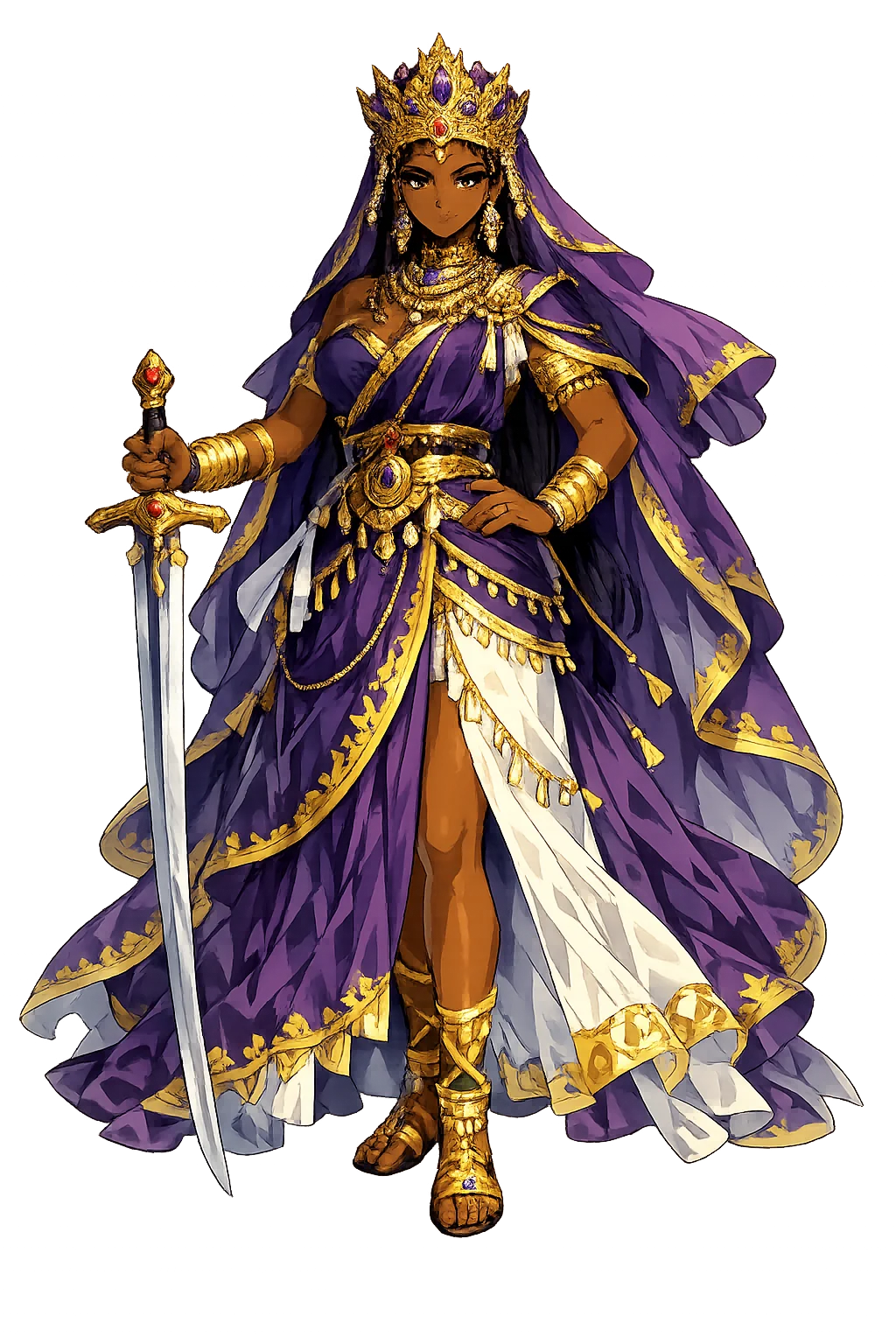
Ọba is the river orisha who loved and lost: the third and most senior wife of Ṣàngó, whose jealousy cost her an ear and whose grief became a lake. She is the Yoruba study of endurance — the quiet river that outlasts the storm-god's louder wives.

Ọbà in Later Traditions

In Cuba's Santería she is Obá, syncretized with Santa Catalina de Alejandría (Saint Catherine, whose wheel she shares) — her cult strong in Matanzas; in Brazil's Candomblé, Obá keeps her river and her covered ear, the devotee-dancers' hair arranged to hide what the king did. The three-wife cycle (Ọba-Ọṣun-Ọya) is the diaspora's standard parable of the polygamous household, told wherever the orisha went.

Modern Legacy

Her image — the crowned figure hiding her ears — is one of Yoruba art's most intimate: the wound as regalia. The co-wives' cycle structures the orisha households of two continents; her river in Yorubaland keeps her shrines active; and the "Obá" of Cuban Santería is beloved as the most patient of the female orisha — the one who teaches that endurance is also a form of power.

Unicode Restoration as Cultural Act

Restoring Ọbà in a domain name is more than orthographic accuracy. It is a statement that the internet should recognize the full range of human writing — not only the ASCII keyboard.

05

Frequently Asked Questions

Common questions about Ọbà, River, Devotion, Sanctuary, and Unicode restoration

01How do you pronounce Ọbà?

In reconstructed pronunciation, Ọbà is /ɔ̀.bá/ — approximately aw-BAH — open o, low-high melody..

02What does Ọbà mean?

Ọbà means The river orisha Ọba — co-wife of the thunder god, lady of the sacred waters in the yoruba tradition.

03What are the symbols of Ọbà?

Ọbà is associated with The covered ear (Wounds hidden and endured — dignity after injury), The brass bracelet (Her marriage-token from the thunder-king), The red parrot feather (Her sign beside the other wives' red).

04What is the difference between Ọbà.com and Ọba.com?

Each is a historically defensible restoration. Ọba.com is the owned form: Previous owned form; the current primary adds the final low tone (Ọbà).

05Why restore Ọbà in Unicode?

Plain ASCII oba strips the stress, length, and script that make the name specific. Unicode restoration returns the name to its original written dignity.

06What is the most important myth about Ọbà?

Ṣàngó, the thunder-king, took three river-wives: Ọba the senior, Ọṣun the beloved, and Ọya the storm-sharer. The oríkì tell how Ọba, seeing her husband's love flow to Ọṣun, schemed — and how Ọṣun, learning of it, tricked her in return: she told Ọba the king loved the ear of a woman in his soup, and Ọba, desperate to be loved, cut her own ear and cooked it for him.

06

Scholarly Sources

The philological foundations of this restoration

Every claim on this page is grounded in established scholarship. The orthographic restorations follow disciplinary convention. The etymological chain follows the best available reference works. This is not invention — it is resurrection through scholarship.

Lexicography & Philology

  • Idowu
  • Bascom
  • Abraham
  • Folklore
  • Cambridge
  • Oxford

Primary Texts

  • The Ifá divination corpus; ọ̀rọ̀ àṣà and oríkì traditions; Abraham’s Dictionary of Modern Yoruba.

Archaeology & Art History

  • Material evidence — iconography, inscriptions, and temple archaeology — for Ọbà and related cults.
  • Her river rises in the hills of the Ọyọ country, and her cult-centers at Ọṣogbo and the Ọba lake preserve her shrines and her priests; the brass and terracotta figures of the covered-ear goddess are documented in the museum collections from Ifẹ̀ to Havana. The oríkì of the three wives, recorded by Bascom and others, is among the finest domestic myth-cycles in the Yoruba corpus.

Religious Studies

  • Bascom
  • Idowu
  • Abraham
  • Folklore
  • Cambridge
  • Oxford
Return

The Surface Awaits

You have traced the name from its earliest attestation to its Unicode restoration. Now return to the myth. The story is where the name lives.

Back to Lore
Ọbà mascot