The Authentic Orthography
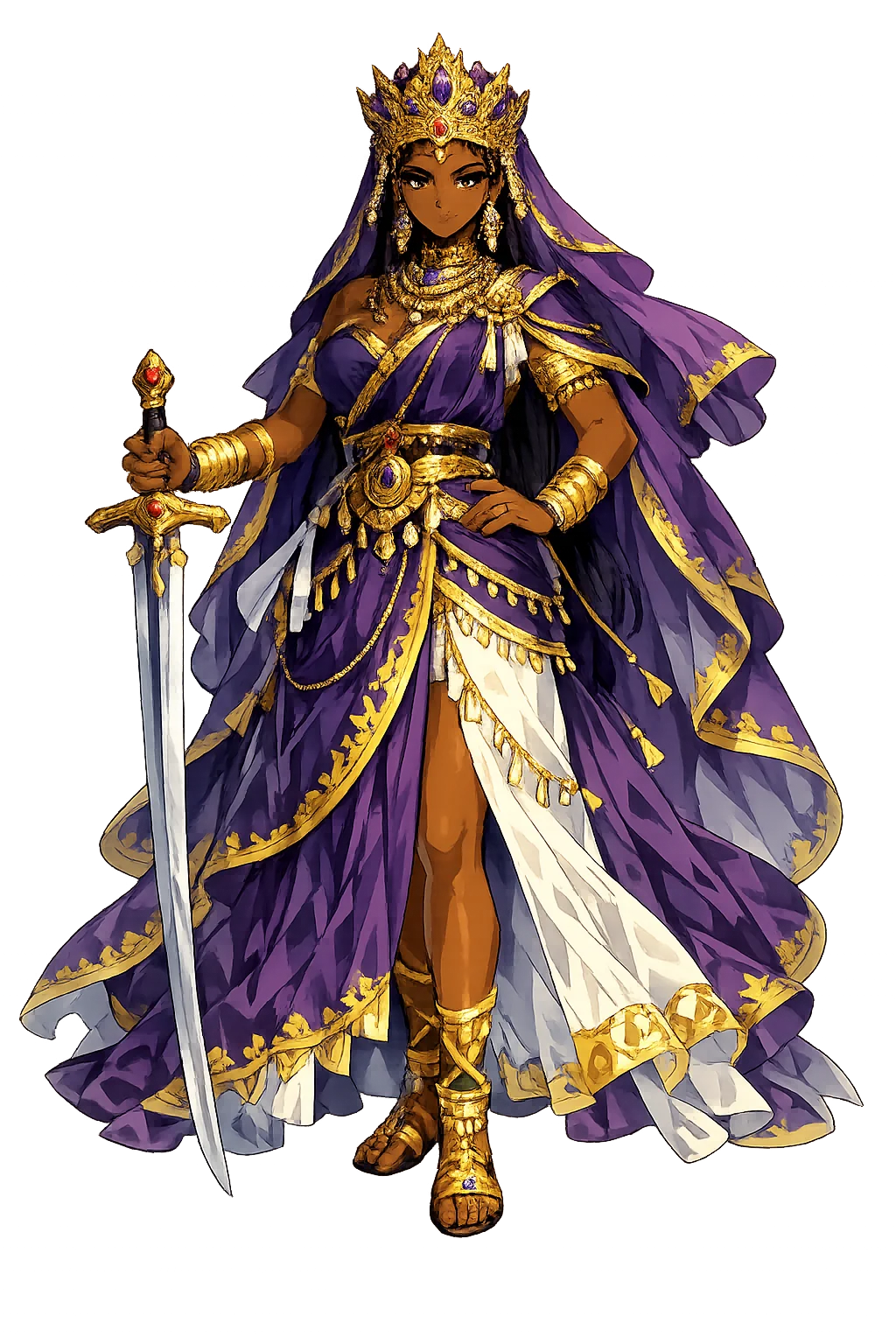
River, Devotion, Sanctuary · River, Devotion, Sanctuary · The river orisha Ọba — co-wife of the thunder god, lady of the sacred waters
Unicode restoration and ASCII comparison
Ọbà
The name in its original Yoruba form. Ọbà (Ọbà) is attested in the source tradition — “The river orisha Ọba — co-wife of the thunder god, lady of the sacred waters”. Its original diacritics and script distinctions carry the full phonetic and orthographic weight of the source tradition.
oba
Reduced to plain oba, the name loses everything that made it specific: original diacritics and script distinctions. What remains is an ASCII string that machines can parse but that no longer speaks with its original voice.
Ọbà
The Unicode restoration recovers what ASCII flattened. Ọbà restores original diacritics and script distinctions, returning the name to its original written dignity. The domain encodes to Punycode, but the browser displays the truth.
Ọbà.com → xn--b-sfa590u.com
The non-ASCII characters in Ọbà are encoded while the ASCII remains visible. To the DNS, it is Punycode. To humanity, it is Ọbà.
How Ọbà travels from ancient script to the modern URL
Yoruba theonym of the river orisha Ọbà, wife of Ṣàngó, patron of devotion and sanctuary.
River, devotion, sanctuary, steadfast love; the senior wife of Ṣàngó.
The owned form Ọba keeps the underdot; the final low tone is documented in the variants.
How Ọbà was spoken
Devotion, Jealousy, and the Lake of the Co-Wife
Ọba is the river orisha who loved and lost: the third and most senior wife of Ṣàngó, whose jealousy cost her an ear and whose grief became a lake. She is the Yoruba study of endurance — the quiet river that outlasts the storm-god's louder wives.
Her water in Yorubaland — the stream that bears her name and her temperament.
The ear she lost to Ṣàngó's rage — hidden under her crown and her hair.
First among the three — and last to be believed.
Her grief made geography: the lake where the faithful mourn with her.
Stories of Ọbà
Ọba's myths are domestic tragedy told as hydrology: the co-wife's war that became a river and a lake.
Ṣàngó, the thunder-king, took three river-wives: Ọba the senior, Ọṣun the beloved, and Ọya the storm-sharer. The oríkì tell how Ọba, seeing her husband's love flow to Ọṣun, schemed — and how Ọṣun, learning of it, tricked her in return: she told Ọba the king loved the ear of a woman in his soup, and Ọba, desperate to be loved, cut her own ear and cooked it for him.
When the trick was revealed, Ṣàngó's disgust and rage drove her from the palace; the co-wives laughed, and Ọba fled north, weeping. She hid her maimed head under her crown and her hair — which is why her images cover the ears — and the thunder-king, in the later tellings, never stopped regretting the day. Her myth is the Yoruba warning about jealousy: not the villain's punishment, but the victim's endurance.
Her tears became her realm: the Ọba River and the lake of her worship, where her priests keep her cult to this day. The co-wives' war never ended — Ọba and Ọya still cannot be honored in the same shrine — but her people say the senior wife outlasted them: storms pass, the river stays. The crown that hides her ear is her whole theology: dignity is what you keep when you have lost what you loved.
Ọba is the goddess of what remains when the shouting is over. The storm-wives got the thunder; she got the river — and rivers outlive storms by definition. Her crown covers her ear, not her shame: the difference is everything. She asks the question the senior wife knows best: after the injustice, what do you cover, what do you keep, and what do you let become a lake?
Enter Extended Lore