PuniCodex

Extended Lore

日光 Nikkō

Etymology · Phonology · Orthography · Cultural Legacy · Primary Sources

Tier 1 Nikkō.com
Nikkō — Sacred Site, Tochigi
01

Quick Facts

Essential information about Nikkō, Sacred Site, Tochigi

Original Script日光
Unicode RestorationNikkō
Reconstructed Pronunciation/ɲi.kːoː/
PantheonJapanese
DomainSacred Site, Tochigi
MeaningSunlight
ClassificationTier 1
Primary DomainNikkō.com
Sacred SymbolsShinkyō (Sacred Bridge), Three wise monkeys (sanzaru), Sleeping cat (nemuri-neko), Yōmeimon Gate, Cedar trees (sugi)
02

Etymology & Word Family

From original script to Unicode restoration

Original Script 日光 Nikkō — "Sunlight"
Unicode Restoration Nikkō Restored stress, length, and script
Modern ASCII nikko Plain-ASCII fallback

Nikkō is Tier 1 because the final ō is long. In Japanese, the double k (kk) is a geminate consonant that creates a brief pause before the long vowel. The name refers both to the town in Tochigi Prefecture and to the sacred mountain complex that made it famous.

03

Unicode Character Breakdown

Character-by-character philological analysis

CharacterUnicodeNameBlockPhonetic Role
NU+004ELatin Capital Letter NBasic LatinSame
iU+0069Latin Small Letter IBasic LatinSame
kU+006BLatin Small Letter KBasic LatinSame
ōU+014DLatin Small Letter O with MacronLatin Extended-AMacron: long vowel

The Tier 1 classification reflects which ancient features stress, length, or script are preserved in this restoration.

04

Cultural Significance

From ancient cult to modern Unicode

Ancient Domain

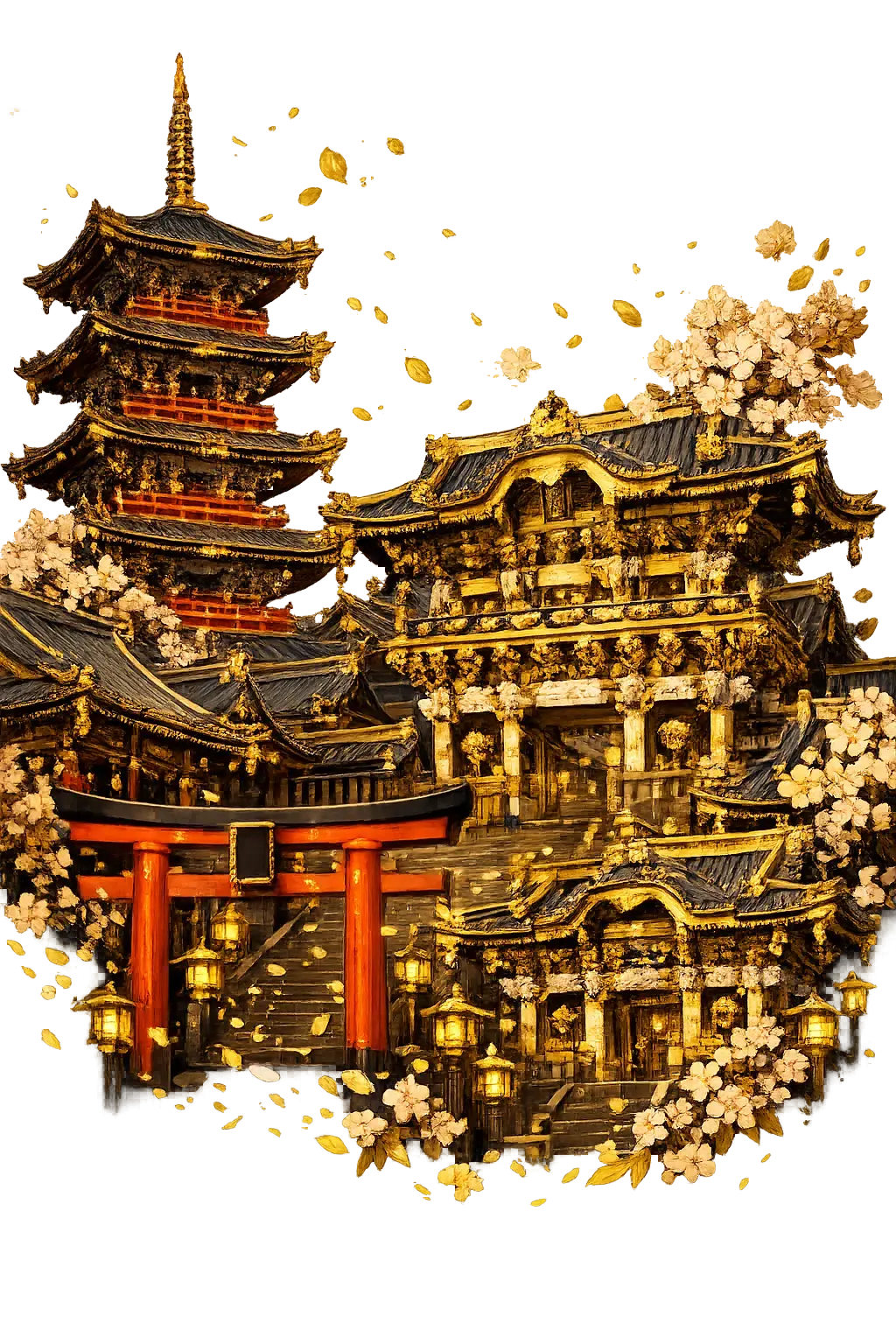
Nikkō is the town, the mountain, and the luminous name that binds them. In Japanese, the word means simply 'sunlight,' but by the 17th century it had become synonymous with one of Japan's most spectacular religious sites: the Tōshōgū shrine complex, where Tokugawa Ieyasu, the founder of the Tokugawa shogunate, was enshrined as the deified Tōshō Daigongen, 'Great Illuminating Deity of the East.'

Nikkō is where nature and politics meet in gold. Cedar avenues, waterfalls, and mountain mists frame shrines and mausoleums built with the wealth and craftsmanship of a newly unified Japan. It is a place of sunlight filtered through forest, of ancestral power made beautiful, and of Shinto-Buddhist synthesis at its most ornate.

Nikkō in Later Traditions

Nikkō is a textbook case of shinbutsu shūgō, the medieval Japanese synthesis of Shinto and Buddhism. Tōshō Daigongen was simultaneously a Shinto kami and a Buddhist avatar; the shrine's architecture borrows from both traditions. This synthesis was forcibly dismantled in the Meiji period but survives in the layered art and ritual of the site. Nikkō also sits within a broader East Asian culture of mountain sacredness, where peaks serve as boundaries between worlds and repositories of ancestral power. The cedar avenues and vermillion bridges echo Chinese and Korean models, while the specific cult of Ieyasu is uniquely Japanese.

Modern Legacy

Nikkō is one of Japan's most visited sacred sites and a UNESCO World Heritage property. Its autumn maples, snow-covered gates, and the famous phrase 'kekko dewa nai, kekko ni suru na' ('never say splendid, but make it splendid') continue to shape Japanese aesthetics. The Three Wise Monkeys have become a global visual proverb, and images of the Shinkyō and Yōmeimon appear in travel literature, photography, and advertising worldwide. For Japanese nationalism, Nikkō is a symbol of the Tokugawa peace and imperial continuity; for contemporary visitors, it is a place where nature, art, and history converge. The Unicode restoration Nikkō preserves the long vowel and geminate consonant that distinguish the place name from ordinary nikkō ('sunlight').

Unicode Restoration as Cultural Act

Restoring Nikkō in a domain name is more than orthographic accuracy. It is a statement that the internet should recognize the full range of human writing — not only the ASCII keyboard.

05

Frequently Asked Questions

Common questions about Nikkō, Sacred Site, Tochigi, and Unicode restoration

01How do you pronounce Nikkō?

In reconstructed pronunciation, Nikkō is /ɲi.kːoː/ — approximately 'NEE-koh' — the first syllable is quick with a soft 'ny' color; hold the final 'koh' long, as if pronouncing two k's in a row..

02What does Nikkō mean?

Nikkō means Sunlight in the japanese tradition.

03What are the symbols of Nikkō?

Nikkō is associated with Shinkyō (Sacred Bridge) (The vermillion bridge that marks the entrance to the sacred precinct and the crossing from mundane to holy space), Three wise monkeys (sanzaru) (The carved monkeys embodying the proverb 'see no evil, hear no evil, speak no evil'), Sleeping cat (nemuri-neko) (The famous carved cat attributed to Hidari Jingorō, guarding Ieyasu's mausoleum), Yōmeimon Gate (The 'Sunset Gate,' lavishly carved and gilded, symbolizing the wealth of the shogunate), Cedar trees (sugi) (The ancient avenue of cryptomeria linking the town to the shrines, a living sacred architecture).

04Why restore Nikkō in Unicode?

Plain ASCII nikko strips the stress, length, and script that make the name specific. Unicode restoration returns the name to its original written dignity.

05What is the most important myth about Nikkō?

According to tradition, the Buddhist monk Shōdō Shōnin founded the first temple at Nikkō in the 8th century. When he could not cross the turbulent Daiya River, the mountain deity appeared in a dream and offered two serpents to form a bridge. The Shinkyō, the vermillion lacquered bridge at the entrance to the shrine complex, commemorates this divine assistance and marks the boundary between the secular world and the sacred mountain.

06

Scholarly Sources

The philological foundations of this restoration

Every claim on this page is grounded in established scholarship. The orthographic restorations follow disciplinary convention. The etymological chain follows the best available reference works. This is not invention — it is resurrection through scholarship.

Lexicography & Philology

  • Hepburn
  • Kojiki

Primary Texts

  • Kojiki (foundation myths and kami references)
  • Nihon Shoki (imperial and Tokugawa-period histories)
  • Philippi, Kojiki

Archaeology & Art History

  • UNESCO World Heritage listing for Shrines and Temples of Nikko
  • The Tōshōgū complex as it exists today is primarily an Edo-period creation (1634–1636), though it rests on older religious layers. The main hall, Yōmeimon gate, five-storied pagoda, and Okumiya inner shrine are outstanding examples of early Edo architecture and polychrome decoration. The Shinkyō bridge, rebuilt in 1904, preserves the form of the original sacred crossing. Archaeological and architectural study of the site has documented the materials, craftsmen, and techniques employed in Iemitsu's rebuilding, while the surrounding cedar avenue (planted in the 17th century) remains one of Japan's most impressive designed landscapes.

Religious Studies

  • Tōshōgū engi and Tokugawa-period shrine records
  • Aston, Nihongi: Chronicles of Japan from the Earliest Times to A.D. 697
  • Bock, Engi-shiki
Return

The Surface Awaits

You have traced the name from its earliest attestation to its Unicode restoration. Now return to the myth. The story is where the name lives.

Back to Lore
Nikkō mascot