PuniCodex

Extended Lore

Γῆ

Etymology · Phonology · Orthography · Cultural Legacy · Primary Sources

Tier 2 Gē.com
Gē — Earth
01

Quick Facts

Essential information about Gē, Earth

Original ScriptΓῆ
Unicode Restoration
Reconstructed Pronunciation/gɛː/
PantheonGreek
DomainEarth
MeaningEarth
ClassificationTier 2
Primary DomainGē.com
Sacred SymbolsCornucopia, Serpent, Oak or olive tree, Black stone
02

Etymology & Word Family

From original script to Unicode restoration

Original Script Γῆ Gē — "Earth"
Unicode Restoration Restored stress, length, and script
Modern ASCII ge Plain-ASCII fallback

Gē is Tier 2 because the Greek Γῆ preserves the long vowel (eta) but has no stress mark in standard Attic orthography. It is the older cultic form of the earth goddess, later often called Gaîa in poetry.

03

Unicode Character Breakdown

Character-by-character philological analysis

CharacterUnicodeNameBlockPhonetic Role
GU+0047Latin Capital Letter GBasic LatinG uppercase
ēU+0113Latin Small Letter E with MacronLatin Extended-AMacron: long vowel

The Tier 2 classification reflects which ancient features stress, length, or script are preserved in this restoration.

04

Cultural Significance

From ancient cult to modern Unicode

Ancient Domain

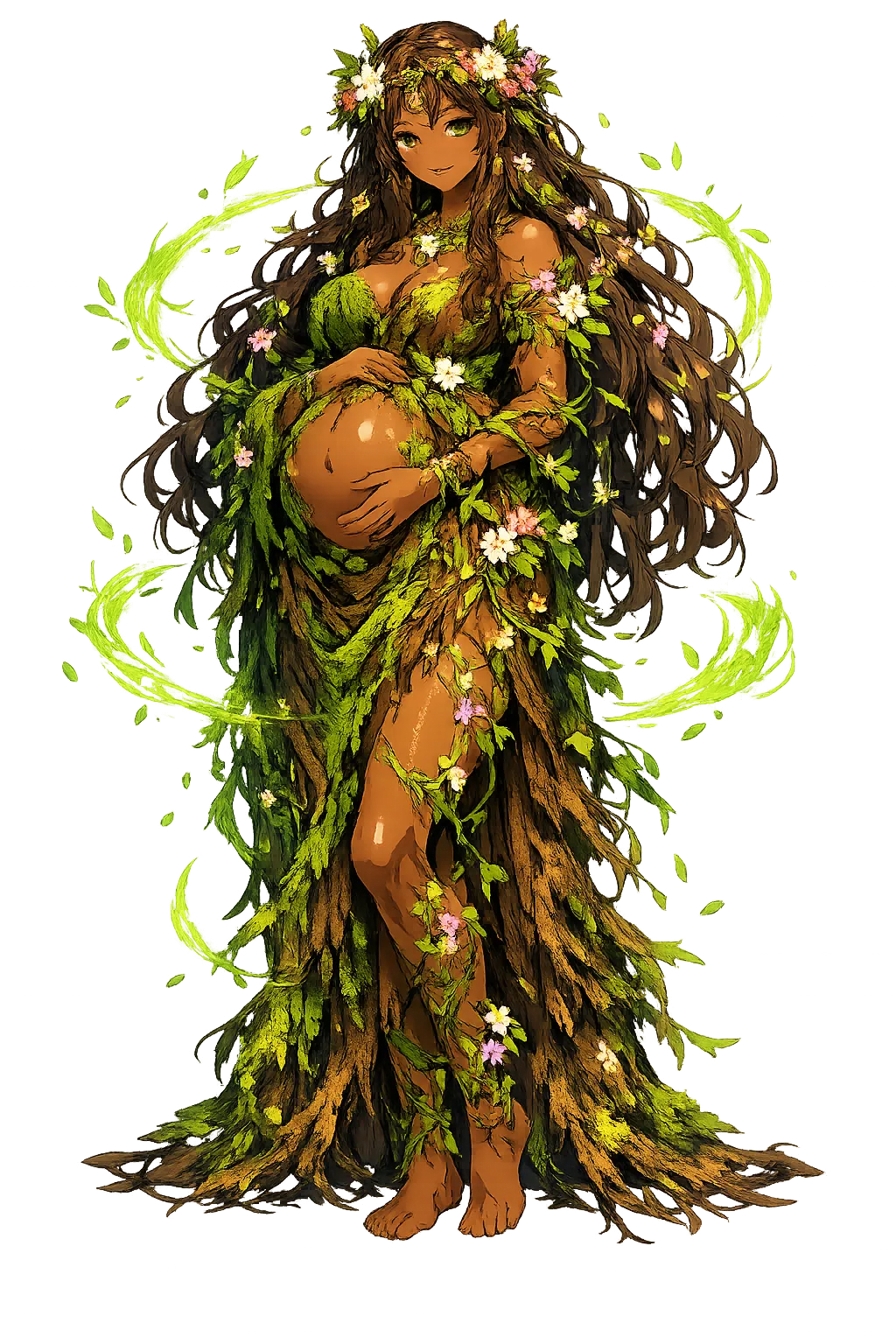
Gē is the earth as goddess, the primordial ground from which gods, Titans, and mortals arise. She is not a distant creator but the very substance beneath our feet, venerated in every Greek city and invoked in oaths, harvests, and burials.

Gē in Later Traditions

Gē was identified early with the Minoan-Mycenaean earth mother and later with the Anatolian Cybele and the Roman Terra Mater. In Orphic cosmogonies she is sometimes preceded by Night or Water, but she remains the foundational maternal power. Neoplatonists interpreted her as the material substrate of the visible world, the 'receptacle' of becoming. Modern ecological movements have reclaimed Gaia/Gē as a symbol of the living planet.

Modern Legacy

The name Gē survives in English 'geo-' (geology, geography, geometry) and in the scientific Gaia hypothesis, which proposes that Earth functions as a self-regulating system. She is the oldest layer of Greek religion: not a specialist deity but the ground of all being. Every seed planted and every body buried returns to her, making her the most democratic of goddesses.

Unicode Restoration as Cultural Act

Restoring in a domain name is more than orthographic accuracy. It is a statement that the internet should recognize the full range of human writing — not only the ASCII keyboard.

05

Frequently Asked Questions

Common questions about Gē, Earth, and Unicode restoration

01How do you pronounce Gē?

In reconstructed pronunciation, is /gɛː/ — approximately 'GAY' — one long, level syllable, like the sustained note of a deep drum..

02What does Gē mean?

means Earth in the greek tradition.

03What are the symbols of Gē?

Gē is associated with Cornucopia (The abundance that rises from her soil), Serpent (The earth-bound creature that glides through her body and guards her sanctuaries), Oak or olive tree (The rooted life that grows directly from her), Black stone (Aniconic representation of the earth goddess at numerous archaic shrines).

04Why restore Gē in Unicode?

Plain ASCII ge strips the stress, length, and script that make the name specific. Unicode restoration returns the name to its original written dignity.

05What is the most important myth about Gē?

After Chaos came Gē 'broad-breasted,' the ever-sure seat of all immortals. She gave birth to Ouranos, the mountains, and Pontos, the sea. Alone she is generative; with Ouranos she becomes the mother of the Titans and the origin of the Olympian order.

06

Scholarly Sources

The philological foundations of this restoration

Every claim on this page is grounded in established scholarship. The orthographic restorations follow disciplinary convention. The etymological chain follows the best available reference works. This is not invention — it is resurrection through scholarship.

Lexicography & Philology

  • Hesiod
  • Liddell, H. G., Scott, R., & Jones, H. S. A Greek-English Lexicon. Oxford: Clarendon Press, 9th ed. 1996.

Primary Texts

  • Hesiod, Theogony
  • Homer, Iliad and Odyssey
  • Aeschylus, Eumenides and Prometheus Bound
  • Pausanias, Description of Greece

Archaeology & Art History

  • Material evidence — iconography, inscriptions, and temple archaeology — for Gē and related cults.
  • Gē was worshipped at numerous sites without always receiving monumental temples. The Athenian Agora preserves her altar and that of Gē Kourotrophos near the crossroads. Aniconic stones, pits for liquid offerings, and boundary markers attest her chthonic cult across Greece. The Pythion at Athens and the Eleusinion also honor her as the maternal earth underlying Demeter's mysteries.

Religious Studies

  • Beekes, Etymological Dictionary of Greek
Return

The Surface Awaits

You have traced the name from its earliest attestation to its Unicode restoration. Now return to the myth. The story is where the name lives.

Back to Lore
Gē mascot