Unicode restoration and ASCII comparison
Γῆ
The name in its original Greek form. Gē (Γῆ) is attested in the source tradition — “Earth”. Its long vowels and acute accents carry the full phonetic and orthographic weight of the source tradition.
ge
Reduced to plain ge, the name loses everything that made it specific: long vowels and acute accents. What remains is an ASCII string that machines can parse but that no longer speaks with its original voice.
Gē
The Unicode restoration recovers what ASCII flattened. Gē restores long vowels and acute accents, returning the name to its original written dignity. The domain encodes to Punycode, but the browser displays the truth.
Gē.com → xn--g-pia.com
The non-ASCII characters in Gē are encoded while the ASCII remains visible. To the DNS, it is Punycode. To humanity, it is Gē.
How Gē is preserved in writing
A bespoke provenance study for Gē is being prepared by the PUNICODEX scholarly team.
Contribute scholarly provenance →How Gē was spoken
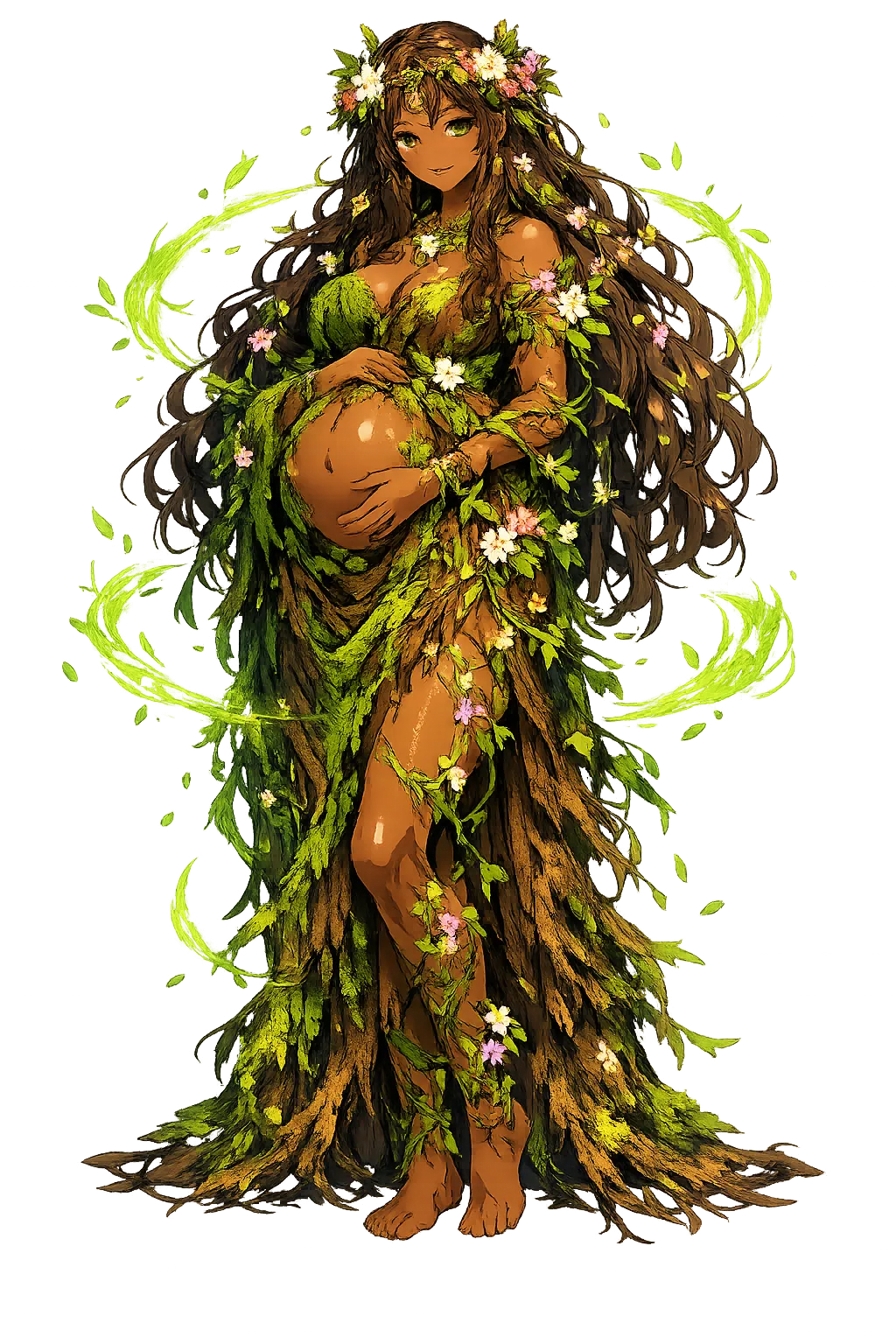
Motherhood, Fertility, Primordial Ground
Gē is the earth as goddess, the primordial ground from which gods, Titans, and mortals arise. She is not a distant creator but the very substance beneath our feet, venerated in every Greek city and invoked in oaths, harvests, and burials.
From Gē spring the Titans, the Giants, the Erinyes, and — with Ouranos — the whole cosmos.
Agricultural fertility and the annual return of grain depend on her body.
She receives the dead and regenerates life; grave and cradle are the same soil.
Her chthonic power underlies oracles and dream-visions at sanctuaries of the underworld.
Stories of Gē
Gē is a primordial power whose myths are acts of generation and revenge. She creates without a mate, then conspires with her son Kronos against her husband Ouranos.
After Chaos came Gē 'broad-breasted,' the ever-sure seat of all immortals. She gave birth to Ouranos, the mountains, and Pontos, the sea. Alone she is generative; with Ouranos she becomes the mother of the Titans and the origin of the Olympian order.
Gē grew weary of Ouranos forcing her children back into her womb. She fashioned the adamantine sickle and persuaded Kronos to ambush his father. The blood from the wound produced the Erinyes, the Giants, and the ash-tree nymphs — new beings born from violence against the sky.
In Athens and other cities, Gē was worshipped as Kourotrophos, 'nurse of children,' and as Gē Olympia, the earth who receives offerings at the city's hearth. Her cult was quiet, universal, and older than the Olympian pantheon.
Gē does not choose sides; she is the board on which the game is played. Titans and Olympians alike are her children, and in the end all bodies return to her. This gives her a strange neutrality: she can conspire against the sky and still receive the sky-god's thunderbolts into her breast.
Enter Extended Lore