PuniCodex

Extended Lore

Cerēs

Etymology · Phonology · Orthography · Cultural Legacy · Primary Sources

Tier 1 Cerēs.com
Cerēs — Agriculture, Grain, Harvest
01

Quick Facts

Essential information about Cerēs, Agriculture, Grain, Harvest

Scholarly TransliterationCerēs
Unicode RestorationCerēs
Reconstructed Pronunciation/ˈke.reːs/
PantheonRoman
DomainAgriculture, Grain, Harvest
MeaningGoddess of grain and growth — the source of the word "cereal"
ClassificationTier 1
Primary DomainCerēs.com
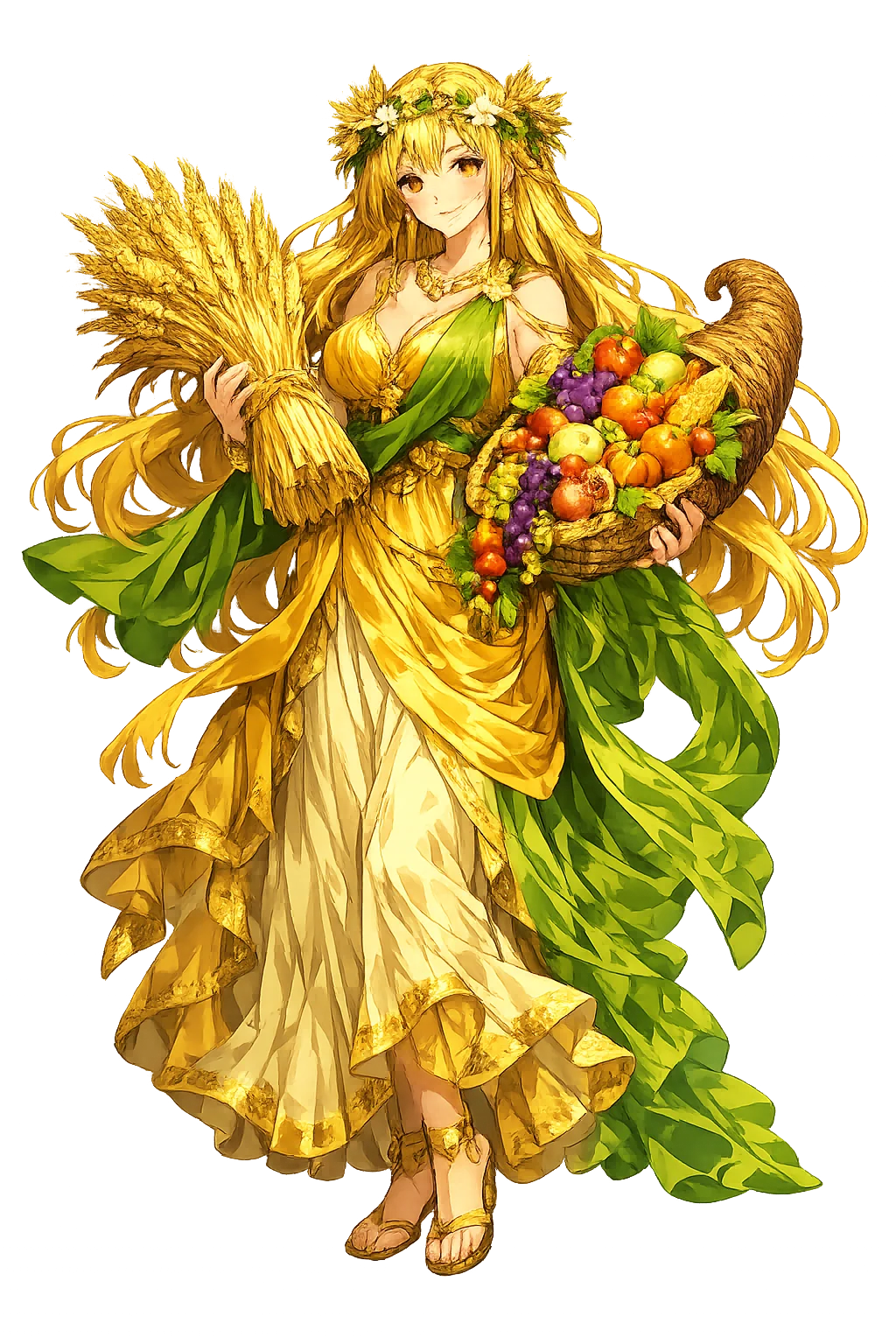
Sacred SymbolsThe wheat-sheaf, The torch, The poppy
02

Etymology & Word Family

From original script to Unicode restoration

Scholarly Transliteration Cerēs Cerēs — "Goddess of grain and growth — the source of the word "cereal""
Unicode Restoration Cerēs Restored stress, length, and script
Modern ASCII ceres Plain-ASCII fallback

Latin Cerēs carries the long ē of the first syllable — the same root that gives "create" and "grow" (crescere): the goddess named for growth itself. Her name is the ancestor of the word "cereal," which is why her temple's bread is etymological. The hard c of the classical period later softened in Italian mouths; the temple keeps the older, harder reading.

03

Unicode Character Breakdown

Character-by-character philological analysis

CharacterUnicodeNameBlockPhonetic Role
CU+0043Latin Capital Letter CBasic LatinSame
eU+0065Latin Small Letter EBasic LatinSame
rU+0072Latin Small Letter RBasic LatinSame
ēU+0113Latin Small Letter E with MacronLatin Extended-ALong ē
sU+0073Latin Small Letter SBasic LatinSame

The Tier 1 classification reflects how much of the original phonology this restoration preserves — stress and vowel length for Greek names, distinctive letters and diacritics for every other tradition.

04

Cultural Significance

From ancient cult to modern Unicode

Ancient Domain

Cerēs is Rome's oldest working goddess: the power of grain and growth, patron of the plebeians who eat it, and the deity whose Greek sister's myth (Dēmētēr and Persephonē) she borrowed so completely that Rome's religion of the field became one with the mystery of the seasons.

Cerēs in Later Traditions

Her equation with Dēmētēr was total by the 5th century BCE — the Sibylline Books themselves prescribed the merger — but Rome added its own stresses: the plebeian politics, the annona grain-supply, and the Cerealia's games. Sicily, her mythic homeland and Rome's first granary, kept her temples as the island's patron (Enna, her meadow); and through the grain-fleet she became the one goddess every province ate with daily, the most-consumed deity in the empire.

Modern Legacy

"Cereal" is her everyday immortality: every breakfast bowl in the West carries her name. Her statue sits atop the Chicago Board of Trade — the grain market's own goddess, uncrowned by any myth but the price of wheat. State seals (New Jersey's, North Carolina's) put her beside Liberty; the dwarf planet Ceres, first-discovered and largest of the asteroids, is NASA's probe Dawn's destination — the grain mother, honored in orbit.

Unicode Restoration as Cultural Act

Restoring Cerēs in a domain name is more than orthographic accuracy. It is a statement that the internet should recognize the full range of human writing — not only the ASCII keyboard.

05

Frequently Asked Questions

Common questions about Cerēs, Agriculture, Grain, Harvest, and Unicode restoration

01How do you pronounce Cerēs?

In reconstructed pronunciation, Cerēs is /ˈke.reːs/ — approximately KEH-rehs — hard c, long second vowel..

02What does Cerēs mean?

Cerēs means Goddess of grain and growth — the source of the word "cereal" in the roman tradition.

03What are the symbols of Cerēs?

Cerēs is associated with The wheat-sheaf (The gift that made agriculture — and law — possible), The torch (The search that never ends — maternal persistence as cosmic order), The poppy (Sleep and renewal — the flower of the fallow field).

04Why restore Cerēs in Unicode?

Plain ASCII ceres strips the stress, length, and script that make the name specific. Unicode restoration returns the name to its original written dignity.

05What is the most important myth about Cerēs?

Before Cerēs, the poets say, humanity ate acorns and called it food. She taught the cutting of the furrow, the keeping of seed, the harvest's measure — and with grain came surplus, and with surplus came law: Ovid and Cicero both note that Rome's oldest laws guarded the field and its boundaries, because the goddess who invented agriculture also, necessarily, invented property. Her temple was the archive of the plebeians' laws: grain and statute, one house.

06

Scholarly Sources

The philological foundations of this restoration

Every claim on this page is grounded in established scholarship. The orthographic restorations follow disciplinary convention. The etymological chain follows the best available reference works. This is not invention — it is resurrection through scholarship.

Lexicography & Philology

  • Lewis & Short
  • Varro
  • Ovid
  • Cicero
  • Horace
  • Cambridge

Primary Texts

  • Ovid
  • Cicero

Archaeology & Art History

  • Material evidence — iconography, inscriptions, and temple archaeology — for Cerēs and related cults.
  • Her Aventine temple's platform survives beside the Circus Maximus; the Enna sanctuary in Sicily — her mythic meadow — preserves its rock-cut shrines. The Cerealia's games are documented in the fasti; her bronze and terracotta votives from the grain-districts of Sicily and Latium fill the museums, and the Plebeian Games' theater-temple complex on the Aventine marks the political grain-cult's ground.

Religious Studies

  • Lewis & Short
  • Varro
  • Horace
  • Cambridge
Return

The Surface Awaits

You have traced the name from its earliest attestation to its Unicode restoration. Now return to the myth. The story is where the name lives.

Back to Lore
Cerēs mascot