PuniCodex

Extended Lore

Ἄτροπος Átropos

Etymology · Phonology · Orthography · Cultural Legacy · Primary Sources

Tier 2 Átropos.com
Átropos — Cutter of Thread
01

Quick Facts

Essential information about Átropos, Cutter of Thread

Original ScriptἌτροπος
Unicode RestorationÁtropos
Reconstructed Pronunciation/á.tro.pos/
PantheonGreek
DomainCutter of Thread
MeaningInflexible, inevitable
ClassificationTier 2
Primary DomainÁtropos.com
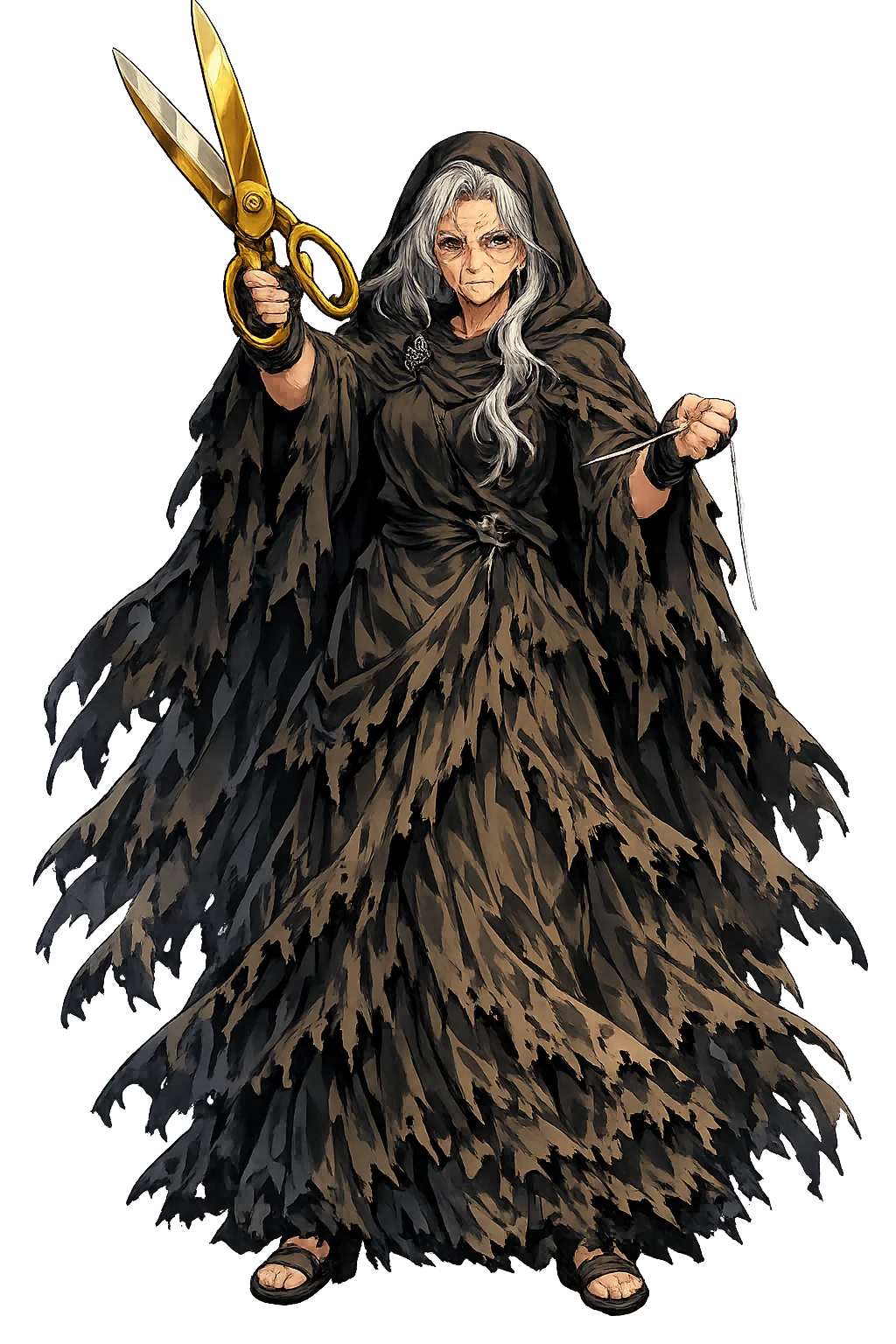
Sacred SymbolsThe shears, The thread, The scroll
02

Etymology & Word Family

From original script to Unicode restoration

Original Script Ἄτροπος Átropos — "Inflexible, inevitable"
Unicode Restoration Átropos Restored stress, length, and script
Modern ASCII atropos Plain-ASCII fallback

Greek Ἄτροπος carries the recessive accent of a feminine agent-noun on the first syllable — Átropos — from ἀ- ("not") plus τρέπω ("to turn"): the one who cannot be turned. The Latin form Atropos keeps the same stress, which is why the English "atropos" and the goddess sound alike. Latin kept both the word and the weight: Seneca's Atropos stresses the same first syllable as the Greek.

03

Unicode Character Breakdown

Character-by-character philological analysis

CharacterUnicodeNameBlockPhonetic Role
ÁU+00C1Latin Capital Letter A with AcuteLatin-1 SupplementAcute on a
tU+0074Latin Small Letter TBasic Latint same
rU+0072Latin Small Letter RBasic Latinr same
oU+006FLatin Small Letter OBasic Latino same
pU+0070Latin Small Letter PBasic Latinp same
oU+006FLatin Small Letter OBasic Latino same
sU+0073Latin Small Letter SBasic Latins same

The Tier 2 classification reflects which ancient features stress, length, or script are preserved in this restoration.

04

Cultural Significance

From ancient cult to modern Unicode

Ancient Domain

Átropos is the third of the three Moirai: Klōthṓ spins the thread, Láchesis measures it, and Átropos cuts it. Her name is a verdict — "she who cannot be turned aside" — and Greek literature treats her not as a villain but as the grammar of endings itself.

Átropos in Later Traditions

Rome mapped her onto Morta of the Parcae (from mors, death), with Nona and Decuma spinning and measuring — though later poets reshuffled the names. The Latin poets from Catullus to Seneca use the Fates' cut as the fixed boundary of rhetoric itself: even Jove, they repeat, cannot unshear what is sheared.

Modern biology gave her a second immortality: the nightshade genus Atropa and its alkaloid atropine — the poison that stills the heart and the drug that restarts it — carry the name of the Inflexible into every emergency room.

Modern Legacy

Shakespeare's "thread of life" and every three-weird-sisters scene from Macbeth to modern fantasy descend from her triad. In philosophy she anchors the ancient debate on determinism: Chrysippus and the Stoics built their heimarmenē around the Moirai's decree, and Epicurus invented the atomic swerve partly to break Átropos' loom. Wherever an ending is shown as both just and unalterable, her shears are in the frame.

Unicode Restoration as Cultural Act

Restoring Átropos in a domain name is more than orthographic accuracy. It is a statement that the internet should recognize the full range of human writing — not only the ASCII keyboard.

05

Frequently Asked Questions

Common questions about Átropos, Cutter of Thread, and Unicode restoration

01How do you pronounce Átropos?

In reconstructed pronunciation, Átropos is /á.tro.pos/ — approximately AH-tro-pos, stress on the first syllable; both o vowels short..

02What does Átropos mean?

Átropos means Inflexible, inevitable in the greek tradition.

03What are the symbols of Átropos?

Átropos is associated with The shears (The instrument of the cut — finality without malice), The thread (The spun and measured life she completes), The scroll (In Roman art the Parcae write as well as spin — fate as record).

04Why restore Átropos in Unicode?

Plain ASCII atropos strips the stress, length, and script that make the name specific. Unicode restoration returns the name to its original written dignity.

05What is the most important myth about Átropos?

In the Theogony's first account the Moirai are fatherless daughters of Nyx, Night — older than Zeús himself, and in some traditions even the king of gods bows to their decree. A second Hesiodic account makes them daughters of Zeús and Themis, law-givers by birth: the tension between fate above Zeús and fate as his instrument runs through all Greek thought.

06

Scholarly Sources

The philological foundations of this restoration

Every claim on this page is grounded in established scholarship. The orthographic restorations follow disciplinary convention. The etymological chain follows the best available reference works. This is not invention — it is resurrection through scholarship.

Lexicography & Philology

  • Plato
  • Liddell, H. G., Scott, R., & Jones, H. S. A Greek-English Lexicon. Oxford: Clarendon Press, 9th ed. 1996.

Primary Texts

  • Hesiod, Theogony
  • Plato
  • Apollodorus
  • Pausanias

Archaeology & Art History

  • Material evidence — iconography, inscriptions, and temple archaeology — for Átropos and related cults.
  • The Moirai rarely received independent cult — Pausanias notes an altar to them beside the sanctuary of Despoina in Arcadia and statues in the temple of Zeús Moiragetēs ("leader of the fates"). Their true monument is funerary: Roman sarcophagi carved the Parcae with spindle, scroll, and shears as standard eschatological furniture, and Hellenistic gems show Átropos with her blades. The famous "Spindle Whorl" dedications of spinning-women's tools in temple deposits tie the goddess's craft to real women's work.

Religious Studies

  • Comparative studies of greek religion and the place of Átropos within it.
Return

The Surface Awaits

You have traced the name from its earliest attestation to its Unicode restoration. Now return to the myth. The story is where the name lives.

Back to Lore
Átropos mascot