
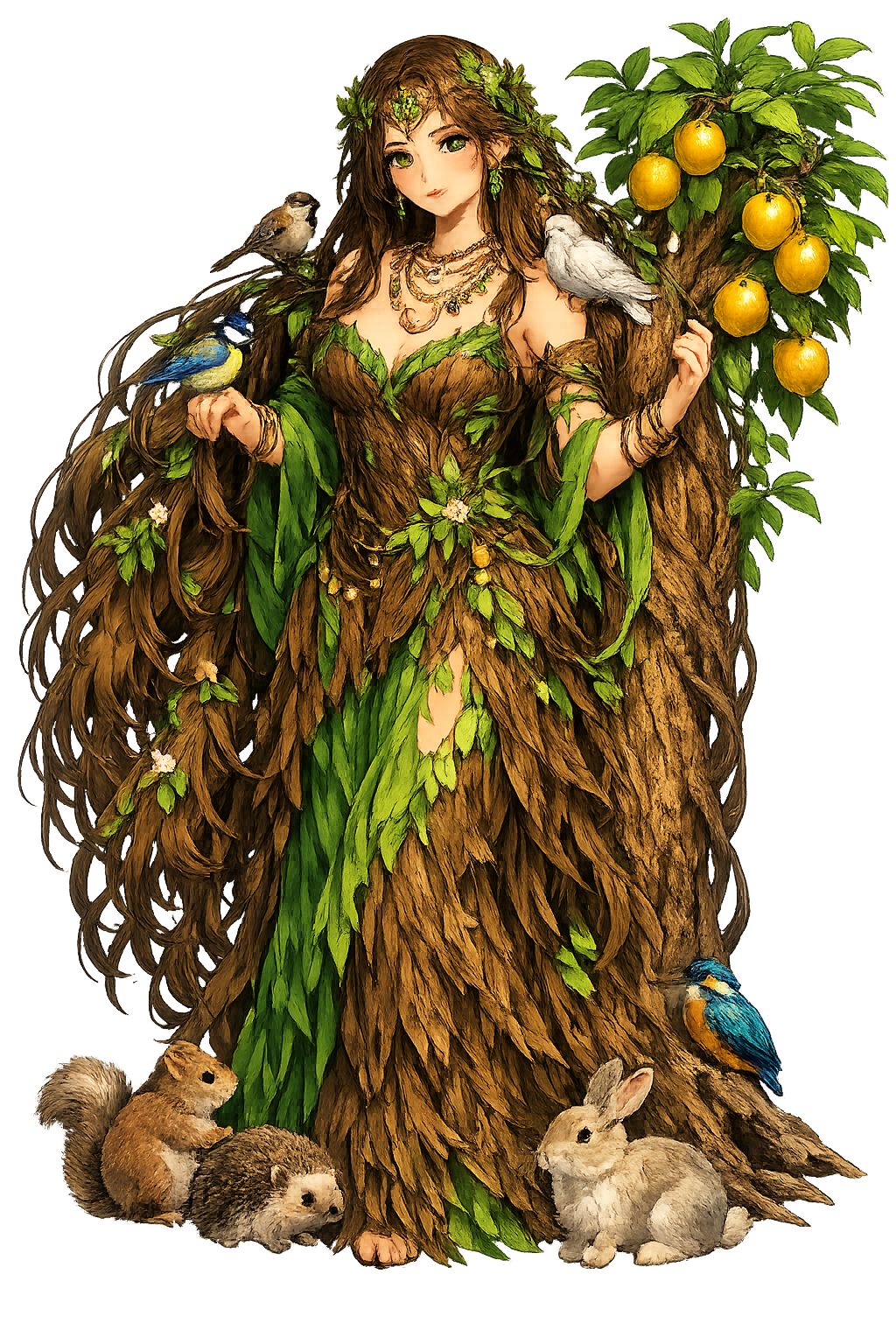
From Phoenician to Unicode: the journey of Ašeratu
Long before it was a domain, this name traveled through scripts. Ašeratu begins in Phoenician, passes through scholarly transliteration, and ends — for now — inside the punycode machinery of the global DNS. Each stage of that journey preserves some information and loses some, and the craft of restoration is knowing exactly which marks matter. This post follows the name stage by stage: the original script, the reconstructed pronunciation, the mythological record, the material evidence, and finally the Unicode form that carries all of it into the address bar. Think of it as a biography of a name, told through its spelling.
At a Glance
- Restored name: Ašeratu
- ASCII form: aseratu
- Meaning: "She who treads on the sea"
- Domain of influence: Sea, Mother Goddess
- Pantheon: Phoenician
- Classification: Tier 2
- Original script: 𐤀𐤔𐤓𐤕 (Phoenician)
- Live domain: ašeratu.com
Overview
Ašeratu (aseratu) — Sea, Mother Goddess · She who treads on the sea — belongs to the Phoenician tradition, where it is catalogued under the domain "Sea, Mother Goddess". The name means "She who treads on the sea".
Ašeratu is the great mother of the Canaanite pantheon, the consort of Ēl and the goddess whose footsteps quiet the sea. Her full Ugaritic title rbt ʾaṯrt ym — “Lady Ašeratu of the Sea” — and the Phoenician form ʾšrt name her as both cosmic navigator and divine ancestress. Where Ēl is the distant father, Ašeratu is the active queen mother who knows how to approach him.
PuniCodex restores the name as Ašeratu and serves its temple at ašeratu.com. The original preserves one prosodic feature — stress or vowel length — rather than both, which places the name in Tier 2. The plain ASCII form aseratu survives as a modern convenience imposed by the early domain-name system; the restoration, not the fallback, is the form the project defends as philologically complete.
The Name
The name is attested in Phoenician as 𐤀𐤔𐤓𐤕. Etymologically it means "She who treads on the sea".
The ASCII form aseratu survives only because the early domain-name system could not carry diacritics; it is a technological compromise, not an ancient spelling. The Unicode restoration Ašeratu recovers the full diacritic detail of the scholarly transliteration directly in the address bar. The original preserves one prosodic feature — stress or vowel length — rather than both, which places the name in Tier 2.
The letter-by-letter transformation runs:
- a → A — Same, capitalized
- s → š — Special character
- e → e — Same
- r → r — Same
- a → a — Same
- t → t — Same
- u → u — Same
The project holds the domain ašeratu.com (xn--aeratu-bkb.com) as the canonical home of this name.
The Original Script
The name is preserved in Phoenician as 𐤀𐤔𐤓𐤕 — Northwest Semitic abjad, attested Iron Age, c. 1050–800 BCE, in Levant. The script is written right-to-left.
The scholarly transliteration is Ašeratu (Phoenician abjad), giving the normalized reading /ʔaʃeˈraː.tu/.
The rendering proceeds step by step:
- The name is written 𐤀𐤔𐤓𐤕 in the Phoenician abjad.
- Phoenician writing records consonants only; vowels are supplied by modern scholars from cognate languages.
- The final vowel markings in the transliteration are inferred from older Northwest Semitic case endings.
- The Unicode restoration Ašeratu is registrable in .com; the Phoenician form is not in the .com IDN table.
Ugaritic writes the name 𐎀𐎘𐎗𐎚 (ʾ-a-ṯ-r-t), while Phoenician writes 𐤀𐤔𐤓𐤕 (ʾ-š-r-t). The caron on š marks the Canaanite/Phoenician reflex of the consonant; Ugaritic retains the older ṯ, probably [θ]. The final -u of Ašeratu is the nominative case vowel of the divine name, dropped in Hebrew אֲשֵׁרָה. The initial consonant is a glottal stop (aleph), not a pharyngeal, so the PUNICODEX form uses plain A. Tier 2: the š preserves a distinctive Semitic phoneme, but there is no long vowel or Greek-style stress mark.
Pronunciation
The reconstructed pronunciation of the name is /ʔa.ʃe.ˈra.tu/ — Canaanite/Phoenician Reconstruction.
Phoneme by phoneme:
- ʔa- — Glottal stop [ʔ] followed by open [a]; the initial aleph of the Canaanite name (not a pharyngeal ʿayin, so the registrable form uses plain A).
- -še- — Voiceless postalveolar fricative [ʃ] plus mid front [e]. The š reflects the Phoenician/Canaanite sibilant; Ugaritic wrote the same consonant as ṯ (probably [θ]).
- -ra- — Tapped or trilled [r] plus open [a].
- -tu — Voiceless alveolar stop [t] plus close back rounded vowel [u], the final nominative case vowel of the divine name in Ugaritic and Phoenician.
For the modern speaker, the closest approximation is: 'ah-she-RAH-too' — begin with a slight catch in the throat, then 'she' with a crisp sh, roll or tap the r, and end with 'rah-too'.
Kindred and historical forms of the name:
- Ugaritic — 𐎀𐎘𐎗𐎚 (ʾaṯrt), consort of ʾEl in the Baal Cycle
- Phoenician — 𐤀𐤔𐤓𐤕 (ʾšrt), attested in inscriptions and theophoric names
- Hebrew — אֲשֵׁרָה (ʾĂšērāh), the goddess and her cult object
- Akkadian — 𒀀𒅆𒋥 (Aširatu), the Amorite-Akkadian form
Reconstruction follows the Phoenician/Ugaritic nominative form ʾAšeratu. The initial consonant is a glottal stop (aleph), not a pharyngeal, so the PUNICODEX form uses plain A rather than Egyptological Ain. The medial š marks the Canaanite/Phoenician reflex of Proto-Semitic *ṯ, while Ugaritic retains the older ṯ (probably [θ]); the final -u is the case vowel, dropped in Hebrew Asherah. Tier 2: the caron on š preserves a distinctive Semitic phoneme, but there is no long-vowel or Greek-style stress feature. Sources: KTU, CIS/KAI, Smith The Ugaritic Baal Cycle, Day Yahweh and the Gods and Goddesses of Canaan.
Mythology
Ašeratu's mythology is the mythology of influence. She does not fight; she intercedes. Her journeys to Ēl's tent, her titles as creatrix and nurse, and her treading of the sea all mark her as the figure who turns raw divine power into ordered legitimacy.
The Queen Mother's Journey (The Baal Cycle)
In KTU 1.4, Baꜥal longs for a palace but cannot win Ēl's approval directly. He turns to Ašeratu. She prepares herself with care, harnesses her donkey, and travels to the source of the divine rivers. There she prostrates before Ēl, praises his wisdom, and asks that Baꜥal be granted a house 'like the gods'. Ēl laughs, welcomes her, and consents. Without her diplomacy, Baꜥal would remain homeless.
Creatress of the Gods (The Baal Cycle)
Ašeratu is repeatedly called qnyt ʾilm, 'Creatress of the Gods' (KTU 1.3 v 25–26; 1.4 i 23; iii 26). The seventy sons of Ašeratu (KTU 1.4 vi 46) are the divine council itself; when Baꜥal disappears into Mot's realm, it is she who is asked to choose a successor from among her sons.
Nurse of the Divine (Myth of the Gracious Gods)
In KTU 1.23, the 'Birth of the Gracious Gods,' Ašeratu appears in the background of a sacred-marriage and birth narrative, associated with suckling and nourishment. The newborn gods drink from her breasts, a motif that links her to royal legitimation: kings may be called her nurslings.
Treader of the Sea (Iconography)
Her epithet 'Lady Ašeratu of the Sea' (rbt ʾaṯrt ym) has been interpreted as 'she who treads on sea.' Whether the sea is the Mediterranean that fed Ugarit's economy, the cosmic watery chaos, or both, the title makes Ašeratu a boundary-goddess: she walks where land and water meet and brings the wild under domestic sovereignty.
Symbols & Iconography
The iconography associated with Ašeratu concentrates in a small set of recurring attributes, each a compressed statement about the name:
- Sea — The waters she treads and tames, source of fertility and commerce for coastal Ugarit
- Tree or pole — The biblical ʾăšērâ, a wooden cult object that represents or embodies her presence
- Spindle — Her attribute in Ugaritic and Hittite iconography; symbol of feminine labor and cosmic order
- Donkey — The beast she rides when approaching Ēl's tent in the Baꜥal Cycle
- Nursing breast — The nourishment she gives to gods and kings; kings may be called her nurslings
- Sea — The waters she treads and tames, source of fertility and commerce for coastal Ugarit
Archaeology & Evidence
The primary witnesses are the alphabetic tablets of Ras Shamra (fourteenth–thirteenth centuries BCE): the Ugaritic god lists place aṯrt beside Ēl, offering texts assign her sacrifices, and the Baꜥal Cycle with KTU 1.23 preserves her titles and intercessory role. The Hittite Elkunirša myth from Boğazköy adapts her as Ašertu, spindle in hand. In Iron Age Israel and Judah the evidence turns material: the blessing formulae inked on storage jars at Kuntillet ʿAjrud ('by Yahweh of Samaria and by his asherah'), the tomb inscription from Khirbet el-Qom, and the decorated cult stand from tenth-century Taanach — with its sacred tree flanked by ibexes and its winged sun disc — are regularly connected with her cult, as are the hundreds of Judean pillar figurines, though the identification of the figurines with the goddess herself remains disputed. 2 Kings 23:4–7 records the fate of her carved image in the Jerusalem temple under Josiah.
Realm & Domain
Ašeratu is the great mother of the Canaanite pantheon, the consort of Ēl and the goddess whose footsteps quiet the sea. Her full Ugaritic title rbt ʾaṯrt ym — “Lady Ašeratu of the Sea” — and the Phoenician form ʾšrt name her as both cosmic navigator and divine ancestress. Where Ēl is the distant father, Ašeratu is the active queen mother who knows how to approach him.
Mother of the Gods
Called qnyt ʾilm, 'Creatress of the Gods'; the seventy sons of Ašeratu populate the divine council (KTU 1.4 vi 46).
Lady of the Sea
Her epithet rbt ʾaṯrt ym links her to the Mediterranean, to fishing, and to the cosmic waters tamed by her presence.
Royal Intercessor
In KTU 1.4 she travels to Ēl's tent, petitions on Baꜥal's behalf, and secures permission for the storm-god's palace.
Domestic Sovereignty
Spindle, weaving, and nursing imagery mark her as the divine model of women's labor raised to cosmic scale.
Across Cultures
Ašeratu's reach extended across the ancient Near East. A Hittite myth from Boğazköy, 'El, Ašertu and the Storm-god' (the Elkunirša fragment), makes her the consort of Elkunirša — the West Semitic epithet 'El creator of the earth' in Hittite dress — who tries to seduce the Storm-god and, when refused, threatens him with her spindle; at Elkunirša's own instruction the Storm-god lies with her and then boasts that he has slain seventy-seven — in some readings eighty-eight — of her sons, while she mourns with the wailing women. In Egypt the naked goddess Qudšu, 'Holiness', shown standing on a lion, fuses the imagery of Ašeratu with that of Aštart and ꜥAnat. In Israel and Judah she became the Bible's most controversial goddess: the asherah condemned by the reformers, and perhaps the consort of Yahweh in the blessing formulae from Kuntillet ʿAjrud and Khirbet el-Qom. The Deuteronomistic polemics testify to her persistent hold.
Kindred figures in the PuniCodex cross-tradition index include [[babaluaye|Ọbalúayé]], [[ea|Ēa]], [[manannan|Manannán]], [[njordr|Njǫrðr]], [[pontos|Póntos]], and [[poseidon|Poseidôn]], each linked through sea / water.
Cultural Legacy
Ašeratu is the divine feminine the Hebrew Bible tried to erase and failed. Her tree, her pole, and her cakes survived in folk religion; her name survived in place names and theophoric roots; her image survived, some argue, in the Shekhinah and in the maternal iconography of the Virgin Mary. Modern feminist theologians and Canaanite- and Goddess-oriented movements have reclaimed her as a symbol of the sacred feminine suppressed by later monotheism. To restore her name with the Phoenician š and the Ugaritic nominative -u is to recover a sound that once rang in temples from Ras Shamra to Jerusalem.
The Scholarly Record
The account of Ašeratu given in this edition rests on the witnesses and reference works listed below. Lexica and etymological dictionaries secure the form and meaning of the name; the literary and religious texts supply the narrative evidence.
- KTU (Ugaritic texts).
- Smith, The Ugaritic Baal Cycle.
- Coogan, Stories from Ancient Canaan.
- Day, Yahweh and the Gods and Goddesses of Canaan.
- Hadley, The Cult of Asherah in Ancient Israel and Judah.
- Wiggins, A Reassessment of Asherah.
- KTU 1.4 (Baal Cycle: Ašeratu intercedes with El).
- KTU 1.23 (Birth of the Gracious Gods).
- Hebrew Bible, Deuteronomy 16:21; Judges 6:25–26 (asherah poles).
- Hebrew Bible, 1 Kings 18:19; 2 Kings 21:7; 23:4–7 (prophets and Josianic reform).
- Kuntillet ʿAjrud inscriptions (KH1–KH3: 'Yahweh and his Asherah').
- Hittite Elkunirša myth (Ašertu, consort of Elkunirša).
A Meditation
Ašeratu teaches that power does not have to shout. She walks between sea and shore, between the high god's tent and the storm-god's need, between motherhood and sovereignty. Her influence is relational, patient, and therefore easy to discount — yet without her intercession, Baꜥal has no palace and the cosmos has no house for the rain.
In an age that rewards noise, Ašeratu is a reminder that the threads holding a world together are often invisible: a spindle, a whispered petition, a mother's milk, a tree by a shrine. To remember her is not to retreat into nostalgia; it is to recognize that the divine has never been exclusively masculine, and that the names we were taught to forget can still be spoken.
The Unicode Restoration
Ašeratu is classified as Tier 2: the original preserves at least one philological feature that ASCII cannot encode. The ASCII fallback aseratu still resolves everywhere, but it is the restored form that carries the name's full information. Across the 7 characters of the name, the restoration adjusts 1: 1 further adjustment (š). That is the whole thesis of this temple: the marks are the message.
Character by Character
The journey from aseratu to Ašeratu, one character at a time:
- a → A — Same, capitalized
- s → š — Special character
- e → e — Same
- r → r — Same
- a → a — Same
- t → t — Same
- u → u — Same
The Domain Name
The restored name is live as a working domain: ašeratu.com, which the DNS carries in punycode form as xn--aeratu-bkb.com — an ASCII-compatible encoding that lets a non-ASCII name travel the global network without breaking older infrastructure. The visitor sees Ašeratu; the machines see the encoding. That duality is the engineering compromise on which the entire restoration rests, and it is why a name written the way its own tradition wrote it in Phoenician can now be typed into any browser on earth.
The Phoenician Pantheon
Ašeratu is one of 8 entries the PuniCodex lexicon catalogues under the Phoenician pantheon. The Pantheon page gathers the tradition's major figures in one place, and the Lexicon lets you filter all 895 restorations by tradition, tier, or script — the fastest way to see where this name sits among its kin.
Frequently Asked Questions
What does Ašeratu mean? The traditional gloss is "She who treads on the sea."
Which tradition does Ašeratu belong to? Ašeratu is catalogued in the Phoenician pantheon of the PuniCodex lexicon.
Why is Ašeratu classified as Tier 2? Because the original preserves at least one philological feature that ASCII cannot encode — and the marks in the restored spelling preserve exactly that evidence.
Is Ašeratu a working domain? Yes — ašeratu.com resolves today and routes to this temple.
What is the punycode for ašeratu.com? The DNS encoding is xn--aeratu-bkb.com; browsers perform the translation automatically, so visitors only ever see the restored name.
Typing Ašeratu
You do not need a special keyboard to use this restoration. The PuniCodex Type Tool converts the ASCII form aseratu into Ašeratu as you type, and the browser extension offers the same conversion inside any text field. Copy the restored form, paste it into the address bar, and the DNS does the rest.
Why This Restoration Matters
Every stage of the journey from Phoenician to Unicode was an act of care: the scribe who first wrote the name, the lexicographer who glossed it, the engineer who taught the DNS to carry it. The PuniCodex restoration is the latest stage, not the last word — the Scholarly Edition is revised as the evidence improves. What does not change is the principle: a name deserves to be written the way its own tradition wrote it. Ašeratu in the address bar is that principle, made routable.
Explore Further
This post is one doorway into the temple. The home page carries the full character breakdown and the ambient canvas; the lore page tells the myths in long form; the Scholarly Edition preserves the sources, pronunciation data, and revision history; and the patron wall supports the restoration directly. For the wider map, browse the Lexicon, explore the Pantheon, or return to the PuniCodex blog.
Related Names
Sources
The full scholarly apparatus — every citation, revision, and review — lives in the Scholarly Edition. Key references for this post:
- Corpus Inscriptionum Semiticarum, Académie des Inscriptions et Belles-Lettres, Paris, 1881.
- Kanaanäische und Aramäische Inschriften, 3 vols., Harrassowitz, Wiesbaden (completed 1971), 1962.
- Ugaritic Textual Corpus, Ras Shamra–Ugarit corpus (KTU / CUSAS), 1200 BCE.
- KTU (Ugaritic texts).
- Smith, The Ugaritic Baal Cycle.
- Coogan, Stories from Ancient Canaan.
- Hoffner, Hittite Myths, 2nd ed. (the Elkunirša myth: Ašertu and the Storm-god).
- Lexicon authorities for this entry: Ugaritic texts, CIS.