PuniCodex

Extended Lore

𐬀𐬵𐬎𐬭𐬀 𐬨𐬀𐬰𐬛𐬁 AhuraMazdā

Etymology · Phonology · Orthography · Cultural Legacy · Primary Sources

Tier 1 AhuraMazdā.com
AhuraMazdā — Supreme Creator, Wisdom, Light
01

Quick Facts

Essential information about AhuraMazdā, Supreme Creator, Wisdom, Light

Original Script𐬀𐬵𐬎𐬭𐬀 𐬨𐬀𐬰𐬛𐬁
Unicode RestorationAhuraMazdā
Reconstructed Pronunciation/aːˈhuːɾə ˈmazdaː/
PantheonZoroastrian
DomainSupreme Creator, Wisdom, Light
MeaningWise lord
ClassificationTier 1
Primary DomainAhuraMazdā.com
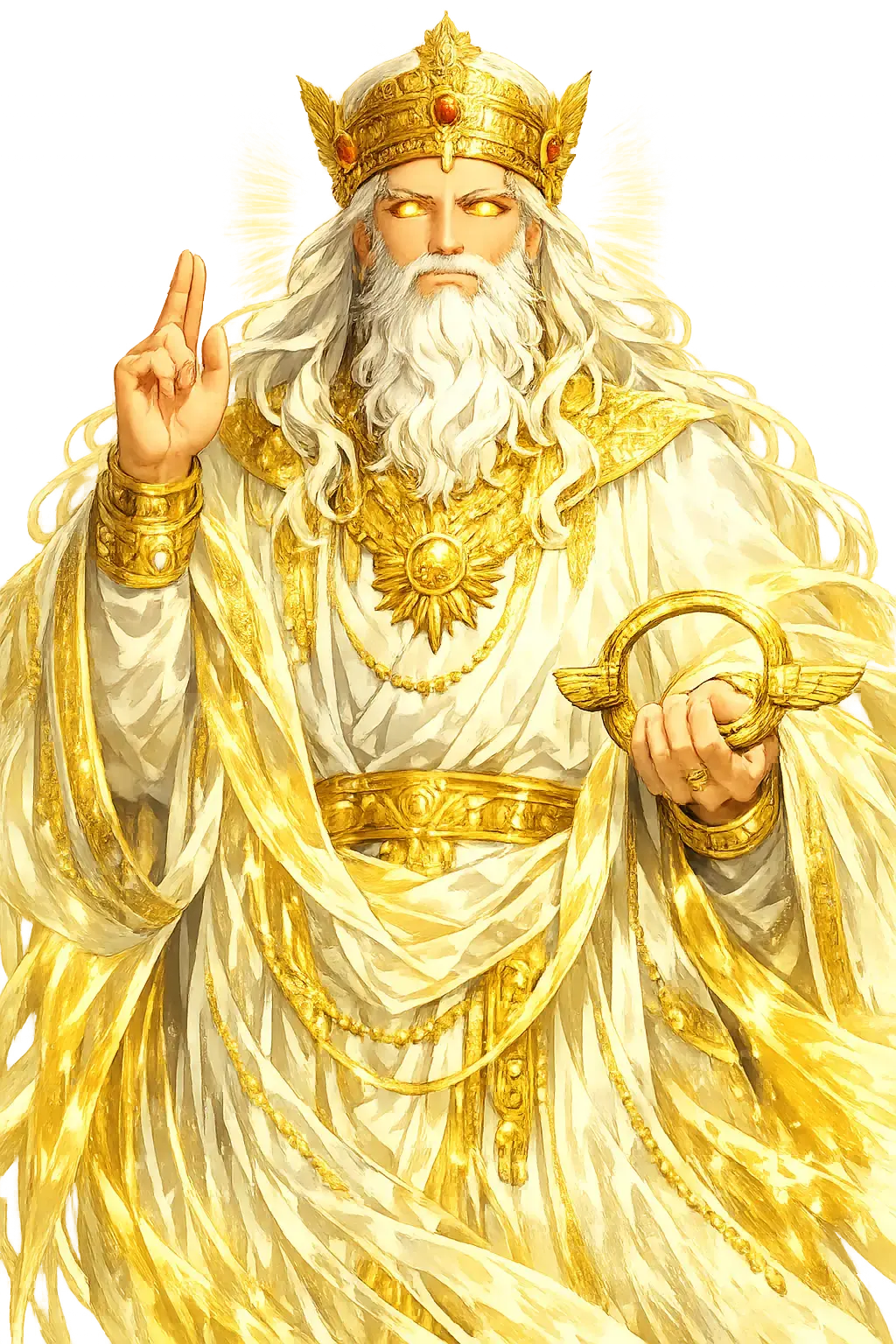
Sacred SymbolsFaravahar, Sacred fire, Sun and light, The ring of sovereignty
02

Etymology & Word Family

From original script to Unicode restoration

Original Script 𐬀𐬵𐬎𐬭𐬀 𐬨𐬀𐬰𐬛𐬁 AhuraMazdā — "Wise lord"
Unicode Restoration AhuraMazdā Restored stress, length, and script
Modern ASCII ahuramazda Plain-ASCII fallback

AhuraMazdā is a Tier-1 restoration: the long vowels in both Ahura and Mazdā are preserved. The compound is written as a single word in the PUNICODEX domain to keep the name registrable as one Unicode string, following the project's convention for the Zoroastrian supreme being.

03

Unicode Character Breakdown

Character-by-character philological analysis

CharacterUnicodeNameBlockPhonetic Role
AU+0041Latin Capital Letter ABasic LatinSame
hU+0068Latin Small Letter HBasic LatinSame
uU+0075Latin Small Letter UBasic LatinSame
rU+0072Latin Small Letter RBasic LatinSame
aU+0061Latin Small Letter ABasic LatinSame
MU+004DLatin Capital Letter MBasic LatinSame
aU+0061Latin Small Letter ABasic LatinSame
zU+007ALatin Small Letter ZBasic LatinSame
dU+0064Latin Small Letter DBasic LatinSame
āU+0101Latin Small Letter A with MacronLatin Extended-AMacron: long a

The Tier 1 classification reflects which ancient features stress, length, or script are preserved in this restoration.

04

Cultural Significance

From ancient cult to modern Unicode

Ancient Domain

AhuraMazdā is the highest god of Zoroastrianism, the uncreated creator who thinks the cosmos into being and sustains it through truth (Aša), good thought, and the Holy Immortals. He is not a storm warrior or a tribal patron but a cosmic architect whose weapon is wisdom and whose enemy is the lie (Druj). In the Gāthās, the oldest Zoroastrian hymns, he speaks directly to the prophet Zarathustra, asking humanity to choose between good purpose and evil.

AhuraMazdā in Later Traditions

Under the Achaemenid empire, AhuraMazdā was identified by Greeks and others with Zeus or the supreme sky god, and Persian kings dedicated monuments to him across their vast realm. In later Zoroastrian tradition he is paired with Angra Mainyu (Ahriman) in a dualistic opposition that some scholars trace back to Zarathustra's own teaching and others see as a later development. The figure of a single creator god opposed by a personified evil influenced Jewish, Christian, and Islamic eschatology, though the exact lines of influence remain debated.

Modern Legacy

AhuraMazdā is the enduring name of God in Zoroastrianism, one of the world's oldest continuously practiced religions. His call to 'good thoughts, good words, good deeds' remains the religion's central ethical formula. The Faravahar has become an emblem of Iranian identity worldwide, and Zoroastrian ideas of final judgment, resurrection, and cosmic battle shaped the religious landscape of late antiquity. In modern interfaith discourse, AhuraMazdā represents an early vision of a single moral creator whose worship asks for ethical action rather than blood sacrifice.

Unicode Restoration as Cultural Act

Restoring AhuraMazdā in a domain name is more than orthographic accuracy. It is a statement that the internet should recognize the full range of human writing — not only the ASCII keyboard.

05

Frequently Asked Questions

Common questions about AhuraMazdā, Supreme Creator, Wisdom, Light, and Unicode restoration

01How do you pronounce AhuraMazdā?

In reconstructed pronunciation, AhuraMazdā is /aːˈhuːɾə ˈmazdaː/ — approximately ah-HOO-ruh MAHZ-dah — the first 'a' is long, the 'u' is long and rounded, and the final 'dah' is drawn out..

02What does AhuraMazdā mean?

AhuraMazdā means Wise lord in the zoroastrian tradition.

03What are the symbols of AhuraMazdā?

AhuraMazdā is associated with Faravahar (The winged disk symbolizing divine guardianship and the human soul's choice between good and evil), Sacred fire (The visible presence of AhuraMazdā and the focus of Zoroastrian worship), Sun and light (The radiance of wisdom and the purity that drives away darkness and the lie), The ring of sovereignty (The divine covenant and the righteous rule of kings under Aša).

04Why restore AhuraMazdā in Unicode?

Plain ASCII ahuramazda strips the stress, length, and script that make the name specific. Unicode restoration returns the name to its original written dignity.

05What is the most important myth about AhuraMazdā?

In the Gāthās, AhuraMazdā approaches Zarathustra and asks him to choose between the two primordial spirits: Spenta Mainyu, the holy creative spirit, and Angra Mainyu, the destructive spirit of the lie. Zarathustra chooses good thought, good words, and good deeds, becoming the prophet of the one wise lord. The myth is less a narrative than a summons: every person must make the same choice.

06

Scholarly Sources

The philological foundations of this restoration

Every claim on this page is grounded in established scholarship. The orthographic restorations follow disciplinary convention. The etymological chain follows the best available reference works. This is not invention — it is resurrection through scholarship.

Lexicography & Philology

  • AirWb
  • Bartholomae

Primary Texts

  • Avesta, Gāthās (Yasna 28–34, 43–51, 53)
  • Avesta, Yasna Haptaŋhāiti
  • AirWb (Avestan digital dictionary)
  • Narten, Die Aməša Spəntas im Avesta

Archaeology & Art History

  • Material evidence — iconography, inscriptions, and temple archaeology — for AhuraMazdā and related cults.
  • AhuraMazdā is invoked in Achaemenid royal inscriptions at Bisotun, Persepolis, Naqsh-e Rustam, and Susa, usually in the Old Persian form Auramazdā. The Apadana reliefs at Persepolis show the king in ritual gestures beneath the winged-disk symbol. Zoroastrian fire temples (atešgāhs) from the Sasanian and later periods preserve the cult of fire as his visible presence. Avestan manuscripts, copied in India and Iran, transmit the Gāthās and the liturgical corpus.

Religious Studies

  • Bundaahišn (Zoroastrian cosmogony)
  • Bartholomae, Altiranisches Wörterbuch
  • Boyce, Zoroastrians: Their Religious Beliefs and Practices
  • Skjærvø, The Spirit of Zoroastrianism
Return

The Surface Awaits

You have traced the name from its earliest attestation to its Unicode restoration. Now return to the myth. The story is where the name lives.

Back to Lore
AhuraMazdā mascot