PuniCodex

Extended Lore

ἀδάμας Adámas

Etymology · Phonology · Orthography · Cultural Legacy · Primary Sources

Tier 2 Adámas.com
Adámas — Gem, Concept, Invincibility
01

Quick Facts

Essential information about Adámas, Gem, Concept, Invincibility

Original Scriptἀδάμας
Unicode RestorationAdámas
Reconstructed Pronunciation/a.dá.mas/
PantheonGreek
DomainGem, Concept, Invincibility
MeaningUnbreakable; the adamant; the hardest substance; origin of "diamond"
ClassificationTier 2
Primary DomainAdámas.com
Sacred SymbolsAdamantine sickle, Chains of Prometheus, Diamond, Anvil and forge
02

Etymology & Word Family

From original script to Unicode restoration

Proto-indo-european *n̥-dméh₂-​ unbreakable, untamable
Original Script ἀδάμας Adámas — "Unbreakable; the adamant; the hardest substance; origin of "diamond""
Unicode Restoration Adámas Restored stress, length, and script
Modern ASCII adamas Plain-ASCII fallback

Adámas is Tier 2 because the Greek ἀδάμας preserves the acute stress on the second syllable but lacks a long vowel. The word is not a deity but a material concept that became a philosophical emblem of invincibility.

03

Unicode Character Breakdown

Character-by-character philological analysis

CharacterUnicodeNameBlockPhonetic Role
AU+0041Latin Capital Letter ABasic LatinSame, capitalized
dU+0064Latin Small Letter DBasic LatinSame
áU+00E1Latin Small Letter A with AcuteLatin-1 SupplementAcute on alpha
mU+006DLatin Small Letter MBasic LatinSame
aU+0061Latin Small Letter ABasic LatinSame
sU+0073Latin Small Letter SBasic LatinSame

The Tier 2 classification reflects which ancient features stress, length, or script are preserved in this restoration.

04

Cultural Significance

From ancient cult to modern Unicode

Ancient Domain

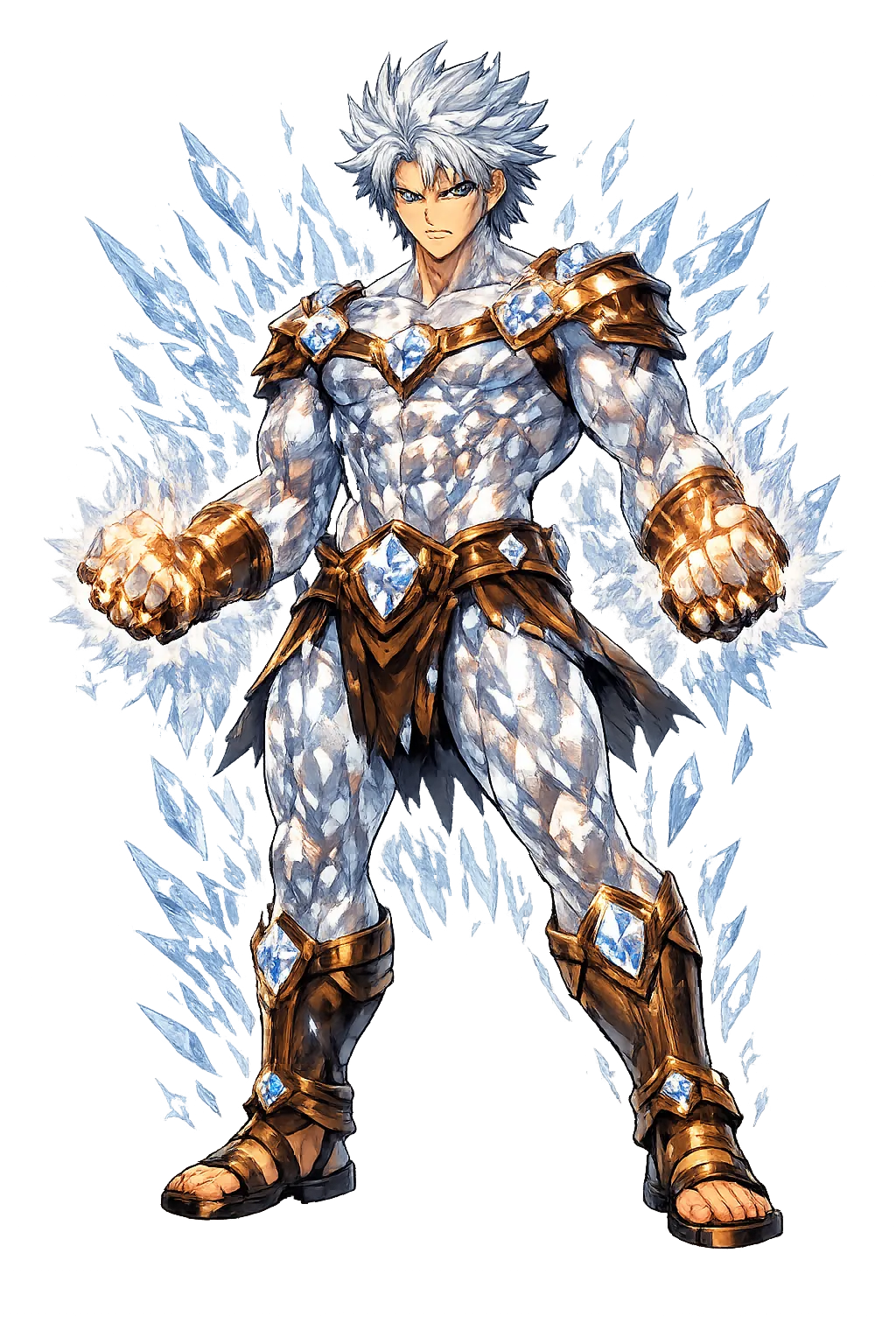
Adámas is the Greek word for the hardest, most untamable substance — the adamant. In Homer it is the metal of chains that bind even gods; in later philosophy it becomes a metaphor for an unyielding soul. The word carries no cult of its own, yet it cuts across Greek literature as the image of absolute resistance.

Adámas in Later Traditions

The Greek adámas traveled into Latin as a precious stone and, through medieval lapidaries, became the 'diamond.' Christian writers borrowed its hardness as a symbol of unwavering faith and the invincible word of God. In alchemy and Renaissance emblem books, the diamond stood for constancy and the philosopher's indestructible stone. Modern materials science has returned the metaphor to its Greek root: diamond remains the hardest known natural material.

Modern Legacy

Every diamond engagement ring carries a fragment of adámas. The word's legacy is the cultural equation of hardness with value, permanence, and indestructibility. In literature, 'adamantine' still describes an unyielding will or an irrefutable argument. The Greek concept thus survives not in cult but in language — as the ultimate measure of resistance.

Unicode Restoration as Cultural Act

Restoring Adámas in a domain name is more than orthographic accuracy. It is a statement that the internet should recognize the full range of human writing — not only the ASCII keyboard.

05

Frequently Asked Questions

Common questions about Adámas, Gem, Concept, Invincibility, and Unicode restoration

01How do you pronounce Adámas?

In reconstructed pronunciation, Adámas is /a.dá.mas/ — approximately 'ah-DAH-mahs' — stress falls on the middle syllable, with a crisp final -s..

02What does Adámas mean?

Adámas means Unbreakable; the adamant; the hardest substance; origin of "diamond" in the greek tradition.

03What are the symbols of Adámas?

Adámas is associated with Adamantine sickle (The weapon used by Kronos to castrate Ouranos, and by Zeus in some traditions), Chains of Prometheus (The unbreakable bonds that fix the Titan to the Caucasus in Aeschylus), Diamond (The later gemstone identified with adámas because of its incomparable hardness), Anvil and forge (The context in which adamantine metal is worked, if at all, by divine smiths).

04Why restore Adámas in Unicode?

Plain ASCII adamas strips the stress, length, and script that make the name specific. Unicode restoration returns the name to its original written dignity.

05What is the most important myth about Adámas?

Hesiod (Theogony 161) says Gaia gave Kronos an adamantine sickle (ἅρπην ἀδάμαντος) with which to wound his father Ouranos. The tool is decisive: only a substance harder than sky can wound the sky. The blood that falls from the cut begets the Erinyes, the Giants, and the Meliai nymphs.

06

Scholarly Sources

The philological foundations of this restoration

Every claim on this page is grounded in established scholarship. The orthographic restorations follow disciplinary convention. The etymological chain follows the best available reference works. This is not invention — it is resurrection through scholarship.

Lexicography & Philology

  • Liddell, H. G., Scott, R., & Jones, H. S. A Greek-English Lexicon. Oxford: Clarendon Press, 9th ed. 1996.
  • Beekes, R. S. P. Etymological Dictionary of Greek. Leiden: Brill, 2010.
  • Homer

Primary Texts

  • Homer, Iliad
  • Hesiod, Theogony
  • Aeschylus, Prometheus Bound
  • Plato, Republic (adamantine soul)

Archaeology & Art History

  • Material evidence — iconography, inscriptions, and temple archaeology — for Adámas and related cults.
  • No material object can be securely identified as 'adamant' in the archaeological record; the term is literary and lapidary. Greek and Roman texts describe it as a dark, extremely hard mineral or metal, perhaps magnetite, emery, or corundum before diamond was recognized. The word's archaeological trace is therefore lexical and iconographic — sickles, chains, and forge scenes in vase painting and relief.

Religious Studies

  • Beekes, Etymological Dictionary of Greek
Return

The Surface Awaits

You have traced the name from its earliest attestation to its Unicode restoration. Now return to the myth. The story is where the name lives.

Back to Lore
Adámas mascot