
The Cult
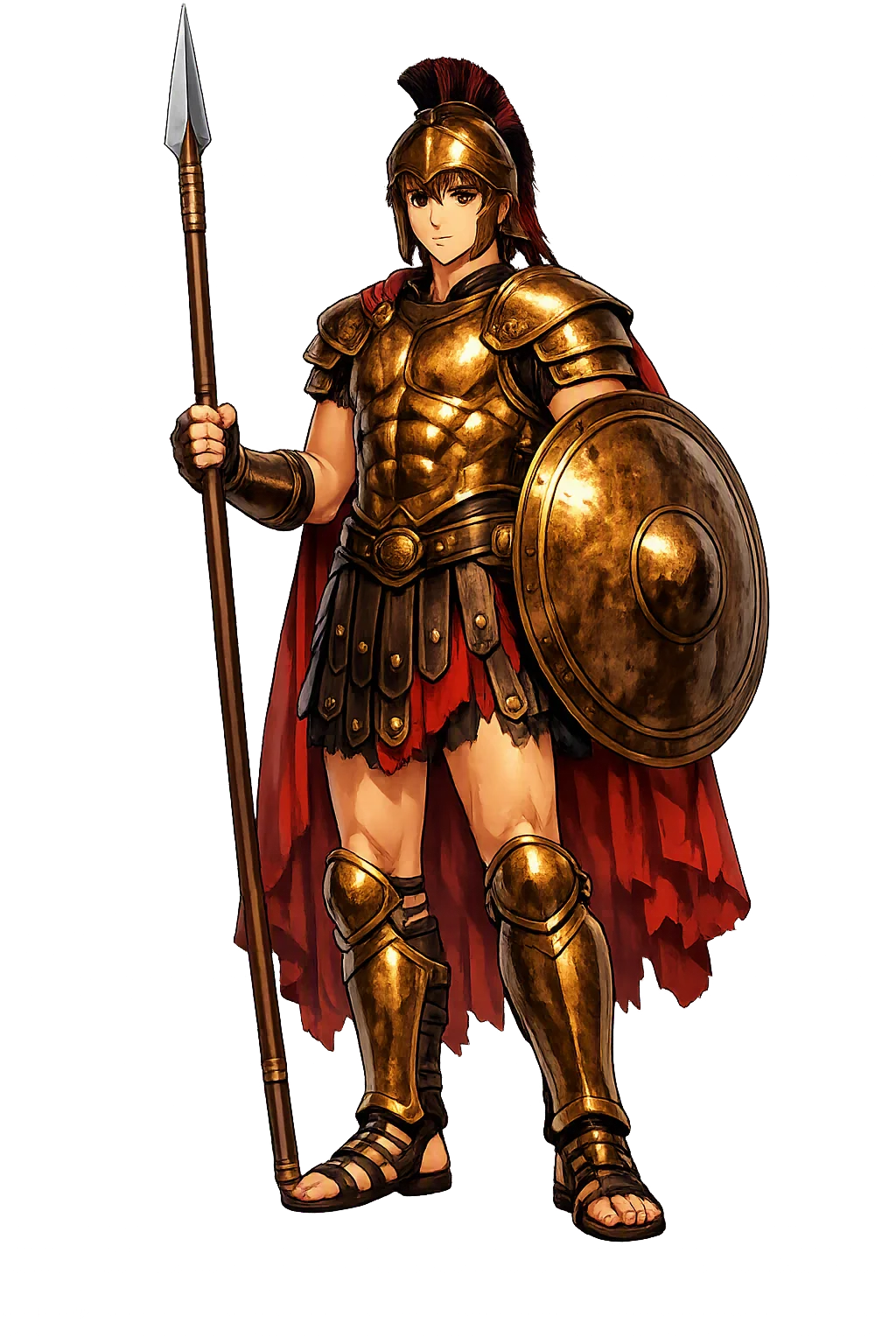
Patroklos was never worshipped as a god — he received the Greek rite for the special dead, hero-cult, and its center was his tomb. Homer builds the rite into the poem itself: the funeral games of Iliad 23, with tripods, cauldrons, and horses set as prizes, are liturgy as much as contest, and Pindar’s ninth Olympian — composed for an Opuntian victor — ties the great games of his home city to Achilles’ honors for Patroklos, evidence that the Locrians kept heroic games in his name. Strabo (13.1.28) places his great barrow on the Trojan coast beside Achilles’, the shared mound Greek sailors visited by the Hellespont. What he left behind was not temples or priesthoods but an institution: the funeral games that Greek cities kept celebrating for their own dead, modeled on the one in the Iliad.