
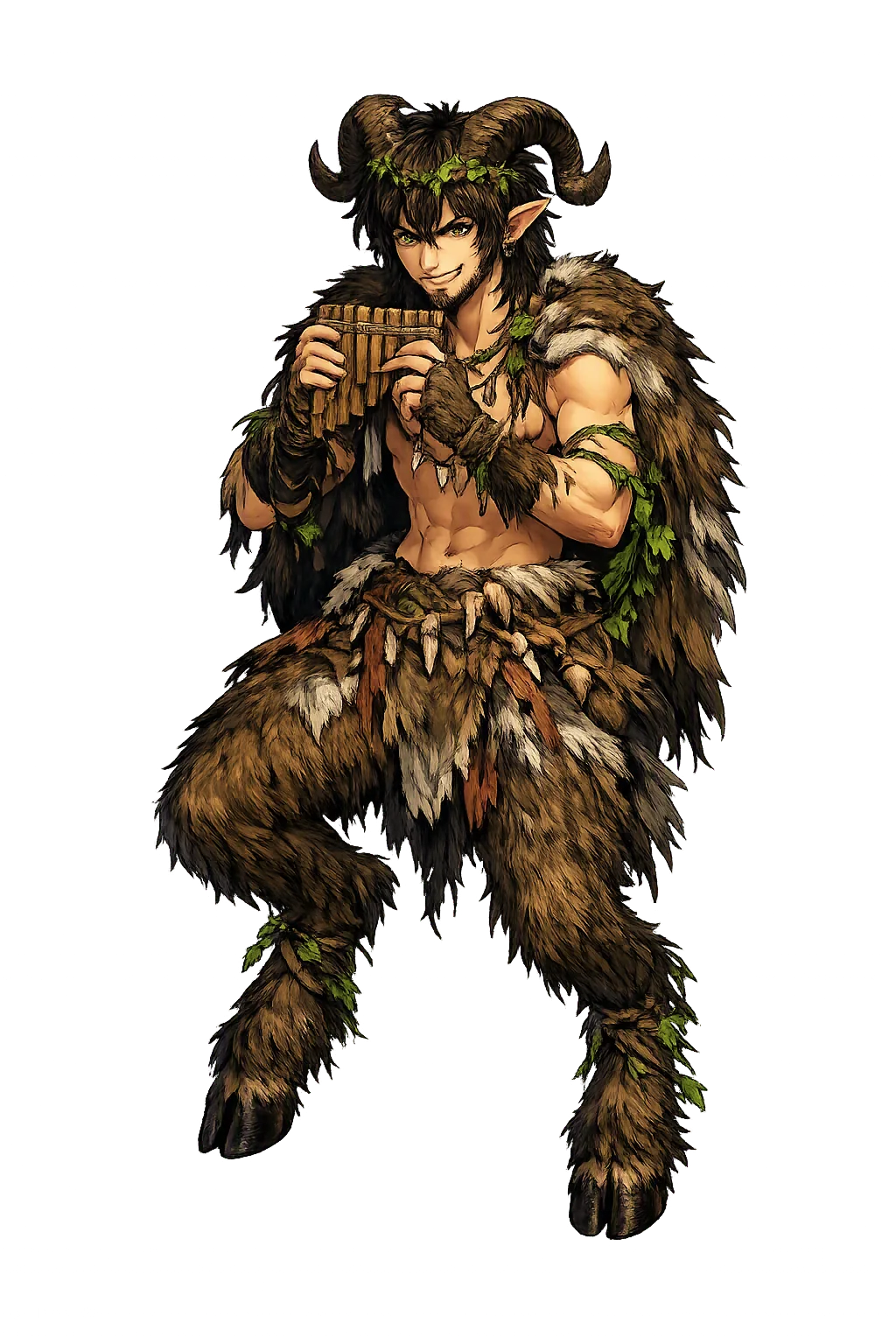
The Cult
Pan's sanctuaries were built where he lived, not where cities were. His is a cult of caves, grottoes, and hillside precincts — the cave cut into the Acropolis's north slope after Marathon, where Herodotus (6.105) says the Athenians settled an annual sacrifice and a torch-race on the strength of a runner's vision; the Corycian Cave above Delphi, where Pausanias (10.32.7) saw statues of Pan and the nymphs; dozens of Arcadian springs and groves in the eighth book of the same guide. Goatherds were his votaries, and the votive evidence is intimate: the Vari cave near Athens, carved by the devout Archedemos, is lined with fifth-century reliefs of Pan and the nymphs, and shepherd's pipes and knucklebones appear among cave offerings. No priestly order served him — herders need no clergy. Even the grotto-shrine at Oinoe on the Marathon road kept the simplest grammar: a sacrifice, a race with torches, and a god who preferred rock to marble.