PuniCodex

Extended Lore

๐’€ญ๐’„Š๐’€• Nergal

Etymology ยท Phonology ยท Orthography ยท Cultural Legacy ยท Primary Sources

Tier 2 Nergal
Nergal โ€” Underworld, War, Plague
01

Quick Facts

Essential information about Nergal, Underworld, War, Plague

Original Script๐’€ญ๐’„Š๐’€•
Unicode RestorationNergal
Reconstructed Pronunciation/หˆnษ›ษ™r.ษกรฆl/
PantheonMesopotamian
DomainUnderworld, War, Plague
MeaningLord of the great city
ClassificationTier 2
Primary DomainNergal
Sacred SymbolsLion, Sword, mace, and bow, Scorpion, Furnace and fire, Cuneiform wedge
02

Etymology & Word Family

From original script to Unicode restoration

Original Script ๐’€ญ๐’„Š๐’€• Nergal โ€” "Lord of the great city"
Unicode Restoration Nergal Restored stress, length, and script
Modern ASCII nergal Plain-ASCII fallback

Nergal is Tier 2 because the restored form contains no distinctive diacritic, stress mark, or non-ASCII letter. The cuneiform original is conventionally transliterated with plain Latin characters; PuniCodex preserves that transparent spelling while noting that any vowel length or Sumerian accent must be reconstructed from comparative evidence.

03

Unicode Character Breakdown

Character-by-character philological analysis

CharacterUnicodeNameBlockPhonetic Role
NU+004ELatin Capital Letter NBasic LatinSame, capitalized
eU+0065Latin Small Letter EBasic LatinSame
rU+0072Latin Small Letter RBasic LatinSame
gU+0067Latin Small Letter GBasic LatinSame
aU+0061Latin Small Letter ABasic LatinSame
lU+006CLatin Small Letter LBasic LatinSame

The Tier 2 classification reflects how much of the original phonology this restoration preserves โ€” stress and vowel length for Greek names, distinctive letters and diacritics for every other tradition.

04

Cultural Significance

From ancient cult to modern Unicode

Ancient Domain

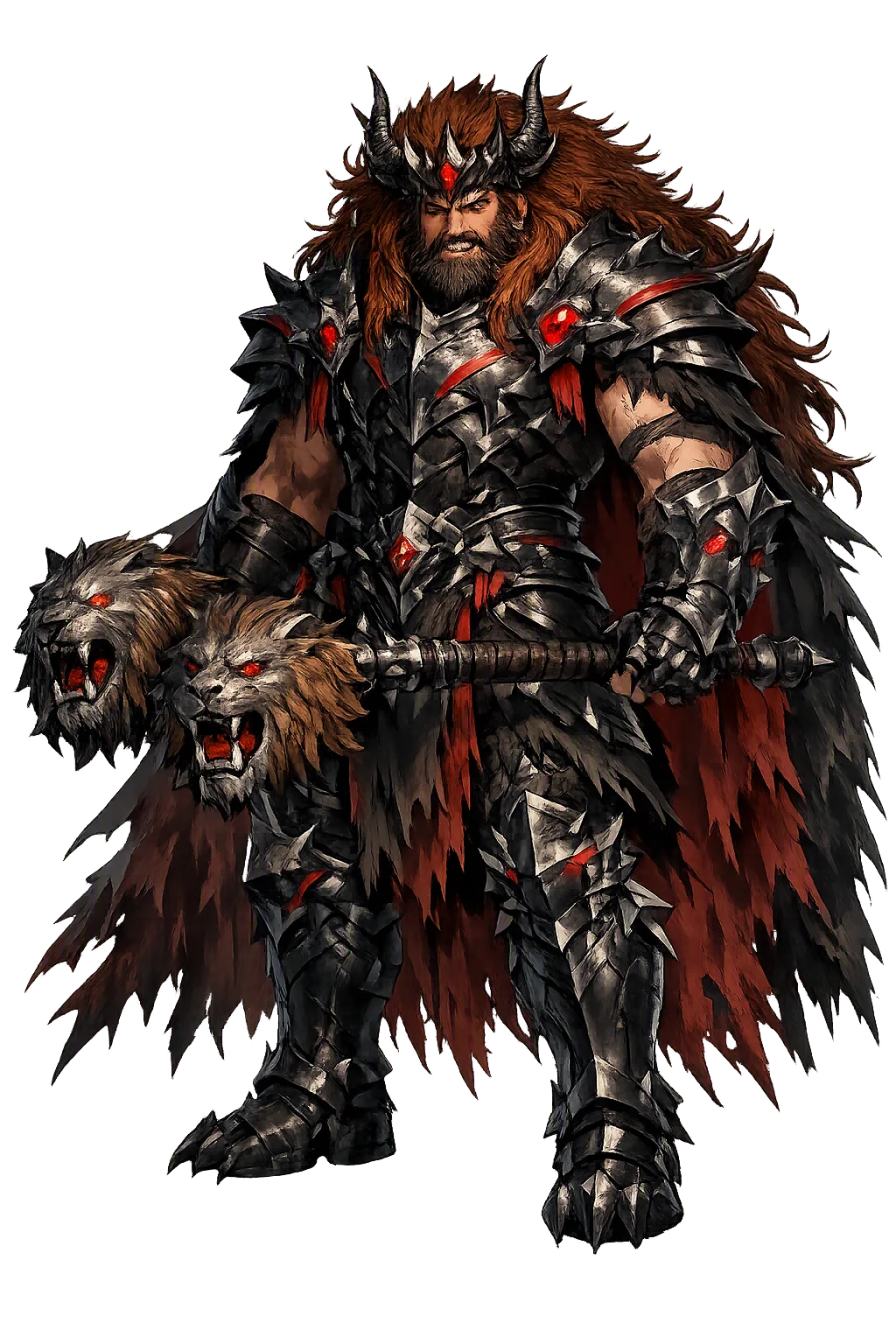
Nergal is the Mesopotamian god in whom three terrible jurisdictions meet: the battlefield, the epidemic, and the realm of the dead. His name means 'lord of the great city', and his great city is Kutha (modern Tell Ibrahim), the cult centre from which his authority radiated across Sumer, Akkad, Assyria, and Babylonia. Where other war gods personify the glory of victory, Nergal personifies the unstoppable force that cuts life down โ€” the lion, the plague-wind, and the furnace-heat of the netherworld.

He is not merely a destroyer. In the myth Nergal and Ereshkigal he descends to the underworld and becomes the consort and co-ruler of its queen; in the Epic of Erra his violence is checked only by the counsel of the god Ishum. His mythology is therefore a meditation on the difference between raw destruction and the ordered power that even death requires.

Nergal in Later Traditions

Nergal was so closely identified with the Akkadian plague-god Erra that the two names are often treated as a single figure, especially in the first millennium BCE. His underworld role made him a counterpart to Ereshkigal, whom he marries; together they form the ruling couple of the Mesopotamian dead. Greek and Roman authors equated him with Ares or Mars because of his warlike nature, and the planet Mars was associated with him in Babylonian astral theology. In later Jewish and Christian demonology, Nergal's name surfaces as one of the foreign gods condemned by the prophets and as a byword for heathen fire-cults.

Modern Legacy

Nergal survives most visibly in Assyriology and in the continuing popular fascination with Mesopotamian underworld gods. His name has been adopted by bands, games, and fantasy settings as an emblem of infernal or martial power, though these modern uses rarely engage with the nuanced theology of the Epic of Erra or the Nergal and Ereshkigal myth. For PuniCodex, the name is a reminder that war, plague, and death were not separate departments in ancient Mesopotamia but a single jurisdiction personified by one god: the lion who rules both the battlefield and the grave.

Unicode Restoration as Cultural Act

Restoring Nergal in a domain name is more than orthographic accuracy. It is a statement that the internet should recognize the full range of human writing โ€” not only the ASCII keyboard.

05

Frequently Asked Questions

Common questions about Nergal, Underworld, War, Plague, and Unicode restoration

01How do you pronounce Nergal?

In reconstructed pronunciation, Nergal is /หˆnษ›ษ™r.ษกรฆl/ โ€” approximately 'NAIR-gal' โ€” stress the first syllable and let the second fall sharp, like a mace-stroke..

02What does Nergal mean?

Nergal means Lord of the great city in the mesopotamian tradition.

03What are the symbols of Nergal?

Nergal is associated with Lion (The kingly predator; Nergal's animal and the embodiment of merciless force), Sword, mace, and bow (The weapons of the warrior-god who strikes in battle and in plague), Scorpion (A creature of the hot desert and the threshold of death, associated with his underworld aspect), Furnace and fire (The burning heat of the Mesopotamian underworld and the fever of epidemic disease), Cuneiform wedge (The written sign ๐’€ญ (dingir) that marks his name as divine).

04Why restore Nergal in Unicode?

Plain ASCII nergal strips the stress, length, and script that make the name specific. Unicode restoration returns the name to its original written dignity.

05What is the most important myth about Nergal?

In the Standard Babylonian version of Nergal and Ereshkigal, the queen of the underworld sends her messenger Namtar to complain that Nergal has refused to bow before her. The gods order Nergal to descend, but warn him not to accept any gift or pleasure offered in the netherworld. At each of the seven gates he strips away a divine attribute, enters the throne room, seizes Ereshkigal by the hair, and raises his sword to kill her. She offers him kingship over the underworld and her hand in marriage; he accepts, and the two rule the dead together. The older Amarna version tells a similar story of banishment, seduction, and shared sovereignty.

06

Scholarly Sources

The philological foundations of this restoration

Every claim on this page is grounded in established scholarship. The orthographic restorations follow disciplinary convention. The etymological chain follows the best available reference works. This is not invention โ€” it is resurrection through scholarship.

โ—ˆ

Lexicography & Philology

  • ETCSL
  • Black-Green
โ—Ž

Primary Texts

  • The Epic of Gilgamesh; Sumerian temple hymns and Akkadian ritual texts.
โ—‰

Archaeology & Art History

  • Material evidence โ€” iconography, inscriptions, and temple archaeology โ€” for Nergal and related cults.
  • Nergal's principal cult centre was the city of Kutha (Tell Ibrahim), where the temple Emeslam was excavated and mentioned in royal inscriptions from the Neo-Assyrian and Neo-Babylonian periods. Votive objects, cylinder seals, and amulets depict him as a warrior armed with sword, mace, or bow, often accompanied by a lion. Bronze plaques and foundation deposits from Mesopotamian temples name him as the divine protector of kings, while cuneiform copies of the Epic of Erra and Nergal and Ereshkigal from Nineveh, Assur, and Sippar preserve his literary mythology.
โœฆ

Religious Studies

  • ETCSL
  • CAD
  • AHw
  • Black & Green, Gods, Demons and Symbols of Ancient Mesopotamia
  • Dalley, Myths from Mesopotamia
  • Foster, Before the Muses
  • Epic of Erra (Erra and Ishum)
  • Nergal and Ereshkigal (Standard Babylonian and Amarna versions)
  • Enlil and Ninlil (Sumerian, ETCSL 1.2.1)
  • Hymn to Nergal (Sumerian royal hymn, ETCSL 4.16.1)
Return

The Surface Awaits

You have traced the name from its earliest attestation to its Unicode restoration. Now return to the myth. The story is where the name lives.

Back to Lore
Nergal mascot