PuniCodex

Extended Lore

名古屋 Nagoya

Etymology · Phonology · Orthography · Cultural Legacy · Primary Sources

Tier 2 Nagoya
Nagoya — Industrial Hub, Chūbu
01

Quick Facts

Essential information about Nagoya, Industrial Hub, Chūbu

Original Script名古屋
Unicode RestorationNagoya
Reconstructed Pronunciation/na.ɡo.ja/
PantheonJapanese
DomainIndustrial Hub, Chūbu
MeaningPeaceful ancient house
ClassificationTier 2
Primary DomainNagoya
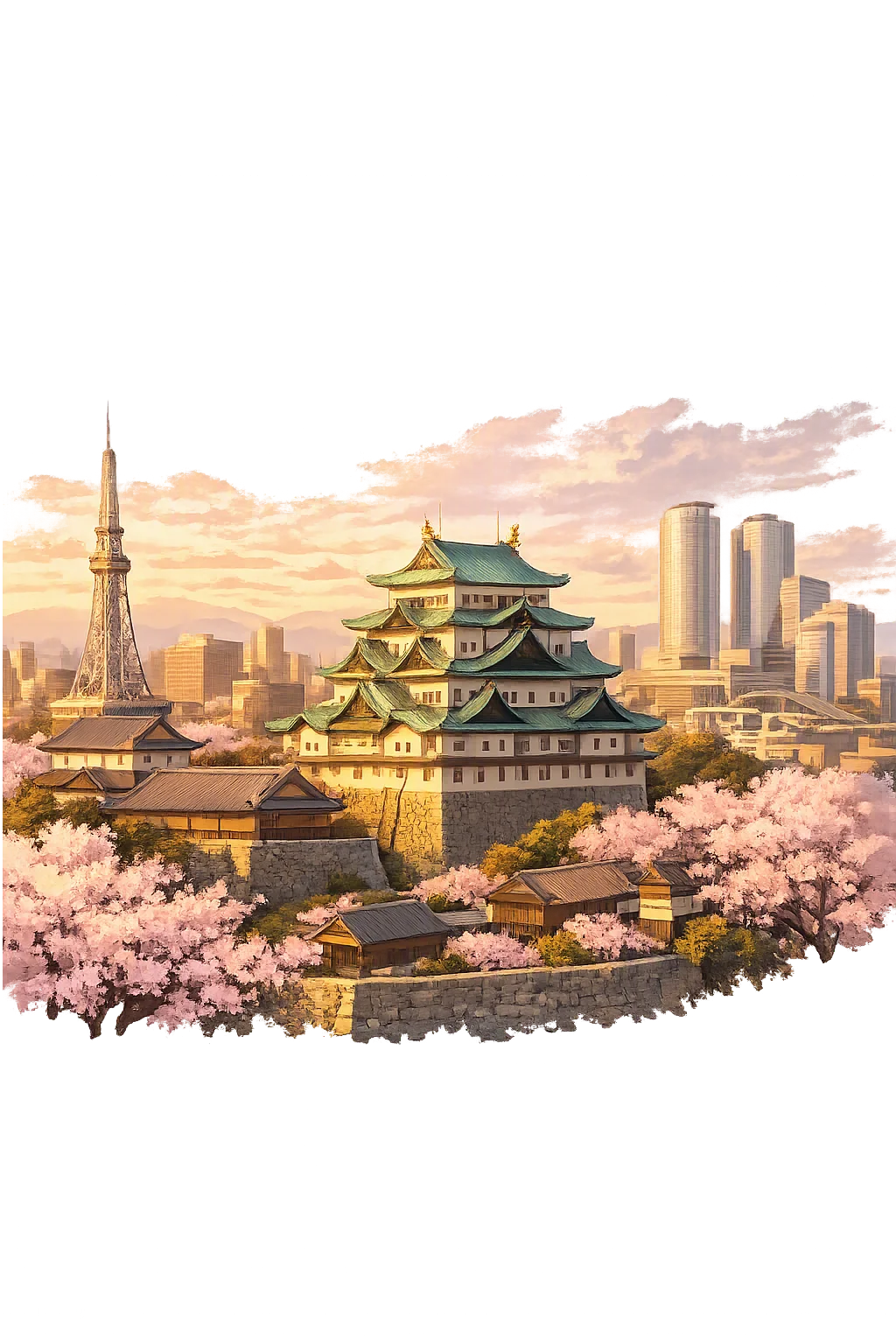
Sacred SymbolsShachihoko, Nagoya Castle keep, Miso, Ceramics
02

Etymology & Word Family

From original script to Unicode restoration

Original Script 名古屋 Nagoya — "Peaceful ancient house"
Unicode Restoration Nagoya Restored stress, length, and script
Modern ASCII nagoya Plain-ASCII fallback

Nagoya is Tier 2: plain Hepburn. It is a major city whose name is explained by a folk etymology.

03

Unicode Character Breakdown

Character-by-character philological analysis

CharacterUnicodeNameBlockPhonetic Role
NU+004ELatin Capital Letter NBasic LatinSame
aU+0061Latin Small Letter ABasic LatinSame
gU+0067Latin Small Letter GBasic LatinSame
oU+006FLatin Small Letter OBasic LatinSame
yU+0079Latin Small Letter YBasic LatinSame
aU+0061Latin Small Letter ABasic LatinSame

The Tier 2 classification reflects how much of the original phonology this restoration preserves — stress and vowel length for Greek names, distinctive letters and diacritics for every other tradition.

04

Cultural Significance

From ancient cult to modern Unicode

Ancient Domain

Nagoya is Japan's fourth-largest city and a historic center of commerce and craftsmanship. Built around the castle commissioned by Tokugawa Ieyasu in 1612, Nagoya grew into a hub of ceramics, textiles, automotive manufacturing, and trade. Its name, 'peaceful ancient house,' reflects a city that has long served as a stable crossroads.

Nagoya in Later Traditions

Nagoya sits at the intersection of samurai, merchant, and industrial Japan. Its castle expresses Tokugawa military architecture; its crafts draw on medieval guild traditions; and its modern economy powers the nation's manufacturing. The city is less a mythic symbol than a practical crossroads that accumulated meaning over centuries.

Modern Legacy

Nagoya is known today for its castle, its food, and its industrial might. The reconstructed castle keep attracts millions, and the city's cuisine has a national reputation. Nagoya's role as a transportation and manufacturing hub makes it a pillar of contemporary Japan.

Unicode Restoration as Cultural Act

Restoring Nagoya in a domain name is more than orthographic accuracy. It is a statement that the internet should recognize the full range of human writing — not only the ASCII keyboard.

05

Frequently Asked Questions

Common questions about Nagoya, Industrial Hub, Chūbu, and Unicode restoration

01How do you pronounce Nagoya?

In reconstructed pronunciation, Nagoya is /na.ɡo.ja/ — approximately 'NAH-goh-yah' — three even syllables, with the middle vowel open and short..

02What does Nagoya mean?

Nagoya means Peaceful ancient house in the japanese tradition.

03What are the symbols of Nagoya?

Nagoya is associated with Shachihoko (The golden tiger-headed carp roof ornaments of Nagoya Castle), Nagoya Castle keep (The reconstructed fortress and city symbol), Miso (The red miso paste central to local cuisine), Ceramics (The long tradition of Seto and Nagoya-area pottery).

04Why restore Nagoya in Unicode?

Plain ASCII nagoya strips the stress, length, and script that make the name specific. Unicode restoration returns the name to its original written dignity.

05What is the most important myth about Nagoya?

In 1612, Tokugawa Ieyasu ordered the construction of Nagoya Castle to secure the strategic Chūbu region and to house his son Yoshinao. The castle was built with materials from Sunpu and Kiyosu, and its golden shachihoko became a symbol of Tokugawa wealth and vigilance.

06

Scholarly Sources

The philological foundations of this restoration

Every claim on this page is grounded in established scholarship. The orthographic restorations follow disciplinary convention. The etymological chain follows the best available reference works. This is not invention — it is resurrection through scholarship.

Lexicography & Philology

  • Hepburn
  • Kojiki

Primary Texts

  • Nihon Shoki and Kojiki (geographic references)

Archaeology & Art History

  • Material evidence — iconography, inscriptions, and temple archaeology — for Nagoya and related cults.
  • Nagoya Castle, originally completed in 1615 and reconstructed in concrete in 1959, is the city's dominant historical site. Excavations in the castle grounds and the older Kiyosu area have revealed medieval and early modern settlement layers. The region's ceramic kilns and industrial sites document its transformation into a manufacturing center.

Religious Studies

  • Tokugawa castle records
  • Aichi Prefecture historical surveys
Return

The Surface Awaits

You have traced the name from its earliest attestation to its Unicode restoration. Now return to the myth. The story is where the name lives.

Back to Lore
Nagoya mascot