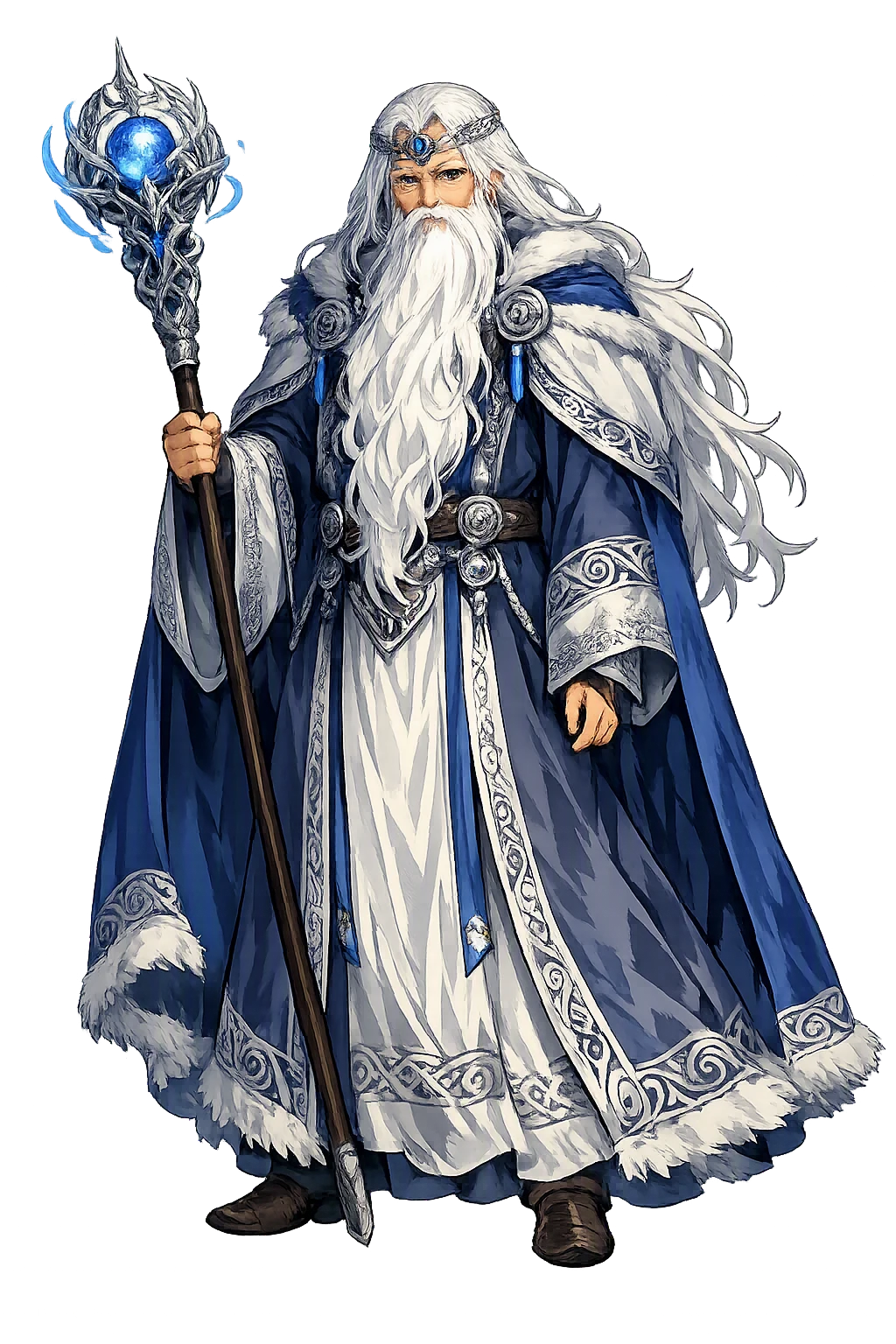
PuniCodex

Extended Lore

Math

Etymology · Phonology · Orthography · Cultural Legacy · Primary Sources

Tier 2 Math
Math — Magic, Kingship
01

Quick Facts

Essential information about Math, Magic, Kingship

Scholarly TransliterationMath
Unicode RestorationMath
Reconstructed Pronunciation/maːθ/
PantheonCeltic
DomainMagic, Kingship
MeaningBear
ClassificationTier 2
Primary DomainMath
Sacred SymbolsThe magic wand (hutlath), The virgin's lap, Goewin ferch Pebin, The swine of Annwfn, Hyddwn, Hychddwn, and Bleiddwn
02

Etymology & Word Family

From original script to Unicode restoration

Scholarly Transliteration Math Math — "Bear"
Unicode Restoration Math Restored stress, length, and script
Modern ASCII math Plain-ASCII fallback

Middle Welsh Math (Math uab Mathonwy) is already written in the Latin alphabet, so the ASCII form loses nothing: the name is Tier 2 by the mechanical rule, since the restoration preserves no diacritic or distinctive letter that ASCII drops. The standard etymology derives the name from Proto-Celtic *matu- 'bear' — compare Old Irish math 'bear' (attested in the compound mathgamain), the Irish name Mathgen borne by the seer of the Túatha Dé Danann, and Gaulish Matugenos 'bear-born'. The father's name, Mathonwy, is built on the same root, and the handbooks treat the bear-derivation as the best-supported reading.

03

Unicode Character Breakdown

Character-by-character philological analysis

CharacterUnicodeNameBlockPhonetic Role
MU+004DLatin Capital Letter MBasic LatinSame, capitalized
aU+0061Latin Small Letter ABasic LatinSame
tU+0074Latin Small Letter TBasic LatinSame
hU+0068Latin Small Letter HBasic LatinSame

The Tier 2 classification reflects how much of the original phonology this restoration preserves — stress and vowel length for Greek names, distinctive letters and diacritics for every other tradition.

04

Cultural Significance

From ancient cult to modern Unicode

Ancient Domain

In the celtic tradition, Math governed magic, kingship. The name encodes a sphere of power that shaped ritual, narrative, and social order.

Math in Later Traditions

Math is the Welsh reflex of a pan-Celtic institution: the sacral king whose rule is bound by taboo. Irish tradition gives the condition its clearest grammar — the gessi of kings, the network of prohibitions whose slow breaking dooms Conaire Mór in Togail Bruidne Da Derga — and Math's footholder geas is the same machinery in Welsh dress, a kingship valid only while its condition holds. Mac Cana reads the Children of Dôn as the Welsh counterpart of the Túatha Dé Danann, and the name itself crosses the water on its own root: Cath Maige Tuired names Mathgen as the seer of the Túatha Dé Danann, and Gaulish epigraphy attests Matugenos — both 'bear-born', from the *matu- that names the king and his father. Within the Mabinogi the root echoes across the branches: [[matholwch|Matholwch]], the Irish king of the Second Branch, carries the same Math- element. His closest kin are the members of his own house — his sister [[don|Dôn]]'s children, above all [[gwydion|Gwydion]], whose plots the geas licences and whose punishments the king's wand performs — and the co-made bride [[blodeuwedd|Blodeuwedd]], his one act of creation.

Modern Legacy

Math's afterlife is quieter than his nephews', but the Fourth Branch carried him far. In the twentieth century the branch was remade twice over: Evangeline Walton's The Virgin and the Swine (1936) retells his story as a tragedy of old religion and new, with the geas and the three animal years as its moral engine, and Lloyd Alexander's Chronicles of Prydain made Math son of Mathonwy the aged High King of Prydain for a generation of young readers — the geas laid aside, the grave authority kept. Alan Garner's The Owl Service (1967) drew its haunting from the Blodeuwedd strand that Math's wand set in motion, the branch repeating itself down the generations of a Welsh valley. In scholarship he stands at the centre of the Mabinogi industry: Ifor Williams's Pedeir Keinc y Mabinogi fixed the text, Sioned Davies's Oxford translation carries it to the world's readers, and Mac Cana's and Koch's handbooks treat the Fourth Branch as the masterpiece of medieval Welsh prose, with the footholder geas among the most-discussed cruxes in Celtic studies.

Unicode Restoration as Cultural Act

Restoring Math in a domain name is more than orthographic accuracy. It is a statement that the internet should recognize the full range of human writing — not only the ASCII keyboard.

05

Frequently Asked Questions

Common questions about Math, Magic, Kingship, and Unicode restoration

01How do you pronounce Math?

In reconstructed pronunciation, Math is /maːθ/ — approximately MAATH — a long, open 'ah', held like the a of 'father', closing on the soft voiceless th of English 'thin'. One syllable; the whole weight of the name sits on the length of the vowel and the hush at the end..

02What does Math mean?

Math means Bear in the celtic tradition.

03What are the symbols of Math?

Math is associated with The magic wand (hutlath) (The rod of transformation and testing — proof, punishment, and creation carried in one length of wood), The virgin's lap (The footholder's office — the geas that bound the king's life to an untouched maiden, save in time of war), Goewin ferch Pebin (The footholder of Dôl Pebin in Arfon, wronged in the king's own house and made his queen in redress), The swine of Annwfn (The otherworld herd whose engineered theft gave Gwydion his war — the first pigs in Wales, and the pretext that broke the geas), Hyddwn, Hychddwn, and Bleiddwn (Stag, pig, and wolf — the three beast-sons of the punished brothers, restored to human shape and baptized).

04Why restore Math in Unicode?

Plain ASCII math strips the stress, length, and script that make the name specific. Unicode restoration returns the name to its original written dignity.

05What is the most important myth about Math?

Math son of Mathonwy was lord over Gwynedd, and the tale's first fact about him is the condition of his life: except when the turmoil of war prevented it, he could not live unless his feet lay in the lap of a virgin. The office of footholder went to Goewin daughter of Pebin of Dôl Pebin in Arfon, the fairest maiden of her generation; and while Math kept the lap, his sister's sons Gwydion and Gilfaethwy ruled the realm in his stead.The arrangement is neither joke nor luxury: it is the Fourth Branch's picture of sacral kingship, a rule whose life is bound by taboo. When Gilfaethwy sickened with desire for Goewin, Gwydion read the geas like a statute. The king may leave the lap for one thing only — war. Therefore there would be a war.

06

Scholarly Sources

The philological foundations of this restoration

Every claim on this page is grounded in established scholarship. The orthographic restorations follow disciplinary convention. The etymological chain follows the best available reference works. This is not invention — it is resurrection through scholarship.

Lexicography & Philology

  • Mabinogion
  • MacKillop

Primary Texts

  • The Immram Brain (Voyage of Bran); Tochmarc Étaíne; Cóir Anmann; medieval Irish saga literature.

Archaeology & Art History

  • Material evidence — iconography, inscriptions, and temple archaeology — for Math and related cults.
  • Math is a textual figure with no pre-Christian material attestation: no inscription, votive object, or image names him. His witnesses are manuscripts — the White Book of Rhydderch (Aberystwyth, NLW Peniarth 4–5, c. 1350) and the Red Book of Hergest (Oxford, Jesus College MS 111, c. 1400), the two codices in which the Fourth Branch survives. The epigraphic witness belongs to the root rather than the man: Gaulish personal names such as Matugenos, 'bear-born', attest the *matu- element in the onomastics of the continental Celts. The tale's own geography is real Gwynedd terrain — Dôl Pebin in Arfon, where Goewin's father held his land — and the branch's southern war-road runs to the maenor of Penardd, where Pryderi fell.

Religious Studies

  • Mabinogion (Fourth Branch: Math fab Mathonwy)
  • Togail Bruidne Da Derga
  • Ifor Williams, Pedeir Keinc y Mabinogi
  • Sioned Davies, The Mabinogion (Oxford)
  • Proinsias Mac Cana, The Mabinogi
  • John T. Koch, Celtic Culture: A Historical Encyclopedia
  • Ranko Matasović, Etymological Dictionary of Proto-Celtic
Return

The Surface Awaits

You have traced the name from its earliest attestation to its Unicode restoration. Now return to the myth. The story is where the name lives.

Back to Lore
Math mascot