PuniCodex

Extended Lore

熊野 Kumano

Etymology · Phonology · Orthography · Cultural Legacy · Primary Sources

Tier 2 Kumano
Kumano — Sacred Region, Three Shrines
01

Quick Facts

Essential information about Kumano, Sacred Region, Three Shrines

Original Script熊野
Unicode RestorationKumano
Reconstructed Pronunciation/kɯ.ma.no/
PantheonJapanese
DomainSacred Region, Three Shrines
MeaningBear plain
ClassificationTier 2
Primary DomainKumano
Sacred SymbolsThree-legged crow (Yatagarasu), Nachi Falls, Cedar forest, Stone markers and oji
02

Etymology & Word Family

From original script to Unicode restoration

Original Script 熊野 Kumano — "Bear plain"
Unicode Restoration Kumano Restored stress, length, and script
Modern ASCII kumano Plain-ASCII fallback

Kumano is Tier 2: plain Hepburn. Its significance is geographic, ritual, and symbolic rather than orthographic.

03

Unicode Character Breakdown

Character-by-character philological analysis

CharacterUnicodeNameBlockPhonetic Role
KU+004BLatin Capital Letter KBasic LatinSame, capitalized
uU+0075Latin Small Letter UBasic LatinSame
mU+006DLatin Small Letter MBasic LatinSame
aU+0061Latin Small Letter ABasic LatinSame
nU+006ELatin Small Letter NBasic LatinSame
oU+006FLatin Small Letter OBasic LatinSame

The Tier 2 classification reflects how much of the original phonology this restoration preserves — stress and vowel length for Greek names, distinctive letters and diacritics for every other tradition.

04

Cultural Significance

From ancient cult to modern Unicode

Ancient Domain

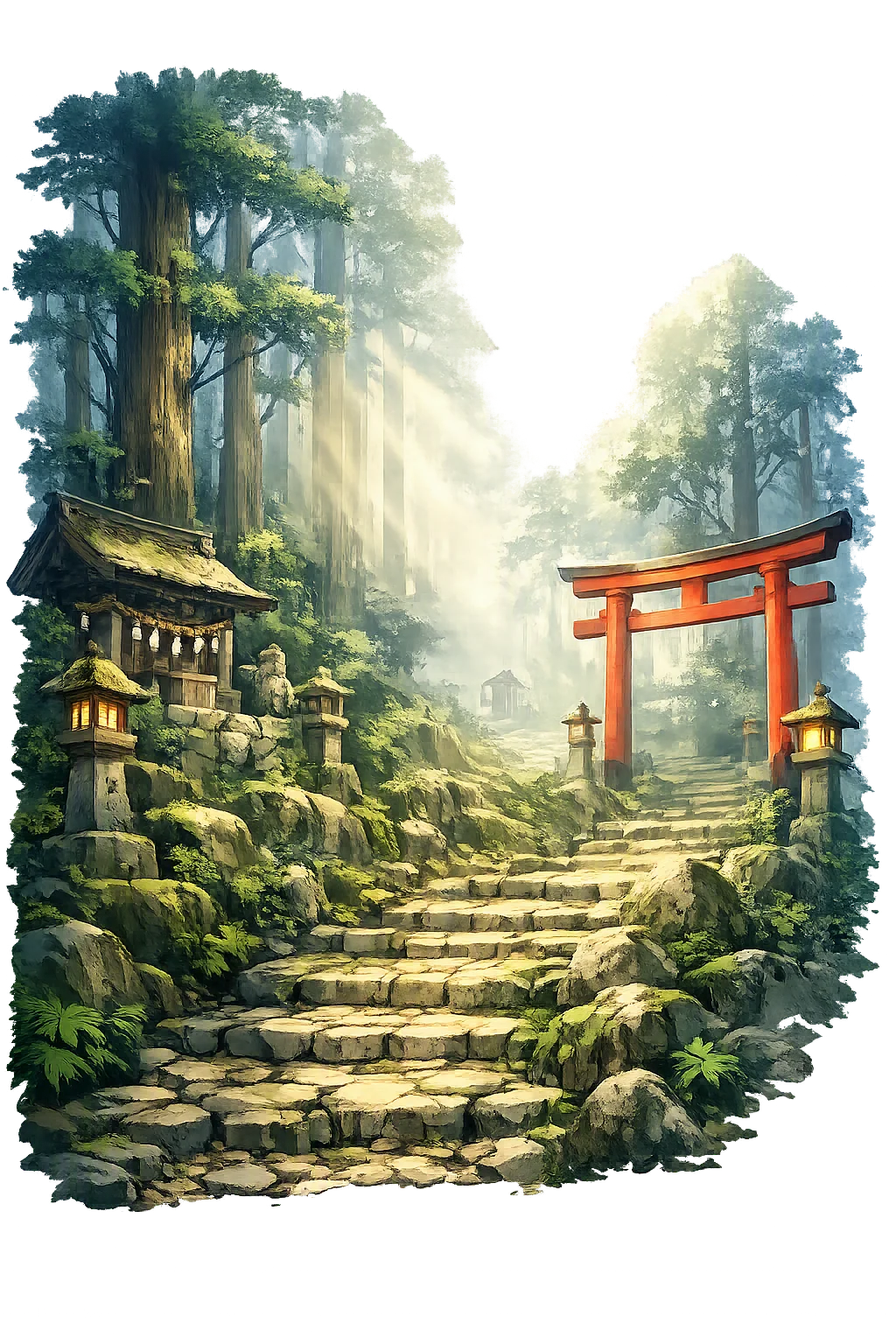
Kumano is a mountainous region on the Kii Peninsula that has been sacred for over a thousand years. Its three great shrines — the Kumano Sanzan — drew emperors, aristocrats, and commoners on pilgrimage along the Kumano Kodō. Kumano is a place where dense forest, rushing rivers, and waterfalls create a landscape felt to be inhabited by powerful kami and Buddhas.

Kumano in Later Traditions

Kumano is a classic case of shinbutsu shūgō, the medieval fusion of Shinto and Buddhism. The Kumano shrines housed Buddhist temples, and the kami were identified with Buddhist divinities. The region also absorbed Shugendō practices, making it a threefold meeting ground of kami worship, Buddhism, and mountain asceticism. The Meiji separation of Shinto and Buddhism stripped away the Buddhist layers, but the landscape retains its hybrid memory.

Modern Legacy

The Kumano Kodō and Kii mountain shrines were designated a UNESCO World Heritage site in 2004. Modern pilgrims continue to walk the ancient routes, and Kumano remains a powerful symbol of spiritual journey in Japan. The three-legged crow appears on the logo of the Japan Football Association, tracing its lineage back to Jimmu's guide.

Unicode Restoration as Cultural Act

Restoring Kumano in a domain name is more than orthographic accuracy. It is a statement that the internet should recognize the full range of human writing — not only the ASCII keyboard.

05

Frequently Asked Questions

Common questions about Kumano, Sacred Region, Three Shrines, and Unicode restoration

01How do you pronounce Kumano?

In reconstructed pronunciation, Kumano is /kɯ.ma.no/ — approximately 'KOO-mah-noh' — three even syllables, with the first vowel soft and back..

02What does Kumano mean?

Kumano means Bear plain in the japanese tradition.

03What are the symbols of Kumano?

Kumano is associated with Three-legged crow (Yatagarasu) (The divine guide who led Emperor Jimmu through the mountains), Nachi Falls (The sacred waterfall and the deity of water and longevity), Cedar forest (The ancient trees through which pilgrims walked), Stone markers and oji (The sub-shrines and markers along the Kumano Kodō).

04Why restore Kumano in Unicode?

Plain ASCII kumano strips the stress, length, and script that make the name specific. Unicode restoration returns the name to its original written dignity.

05What is the most important myth about Kumano?

When Emperor Jimmu, the first emperor, was lost in the mountains of Kumano, the sun goddess sent Yatagarasu, a three-legged crow, to guide him. The crow led Jimmu's army to victory and established the imperial line in Yamato. Yatagarasu remains a symbol of divine guidance and Kumano's protection of the nation.

06

Scholarly Sources

The philological foundations of this restoration

Every claim on this page is grounded in established scholarship. The orthographic restorations follow disciplinary convention. The etymological chain follows the best available reference works. This is not invention — it is resurrection through scholarship.

Lexicography & Philology

  • Kojiki
  • Nihon Shoki

Primary Texts

  • Kojiki and Nihon Shoki (Jimmu and Yatagarasu)

Archaeology & Art History

  • Material evidence — iconography, inscriptions, and temple archaeology — for Kumano and related cults.
  • The Kumano Sanzan (Kumano Hongū Taisha, Kumano Hayatama Taisha, Kumano Nachi Taisha) and the Kumano Kodō pilgrimage routes preserve a landscape of shrines, stone pavements, ritual sites, and Nachi Falls. Archaeological and architectural study documents the region's importance from the Heian period onward.

Religious Studies

  • Kumano shrine records
  • Grapard, The Protocol of the Gods
Return

The Surface Awaits

You have traced the name from its earliest attestation to its Unicode restoration. Now return to the myth. The story is where the name lives.

Back to Lore
Kumano mascot