PuniCodex

Extended Lore

稲荷 Inari

Etymology · Phonology · Orthography · Cultural Legacy · Primary Sources

Tier 2 Inari
Inari — Rice, Fertility, Foxes
01

Quick Facts

Essential information about Inari, Rice, Fertility, Foxes

Original Script稲荷
Unicode RestorationInari
Reconstructed Pronunciation/i.na.ɾi/
PantheonJapanese
DomainRice, Fertility, Foxes
MeaningRice load
ClassificationTier 2
Primary DomainInari
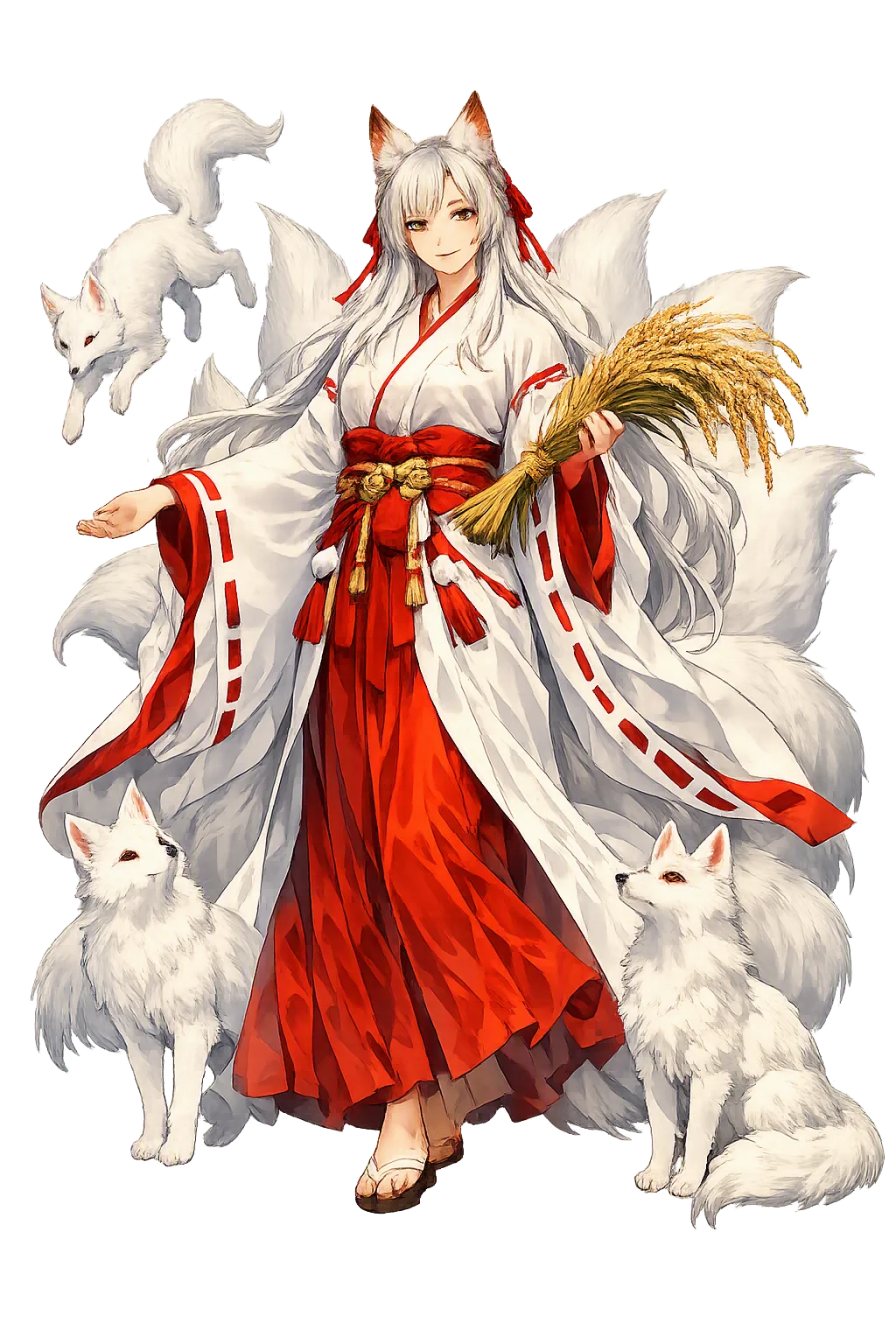
Sacred SymbolsVermillion torii gates, Fox (kitsune), Rice sheaf, Jewel
02

Etymology & Word Family

From original script to Unicode restoration

Original Script 稲荷 Inari — "Rice load"
Unicode Restoration Inari Restored stress, length, and script
Modern ASCII inari Plain-ASCII fallback

Inari is Tier 2: plain Hepburn. The name's significance is cultic and agricultural, not orthographic.

03

Unicode Character Breakdown

Character-by-character philological analysis

CharacterUnicodeNameBlockPhonetic Role
IU+0049Latin Capital Letter IBasic LatinSame
nU+006ELatin Small Letter NBasic LatinSame
aU+0061Latin Small Letter ABasic LatinSame
rU+0072Latin Small Letter RBasic LatinSame
iU+0069Latin Small Letter IBasic LatinSame

The Tier 2 classification reflects how much of the original phonology this restoration preserves — stress and vowel length for Greek names, distinctive letters and diacritics for every other tradition.

04

Cultural Significance

From ancient cult to modern Unicode

Ancient Domain

Inari is one of the most widely worshipped kami in Japan. Originally a deity of rice and agriculture, Inari became over the centuries a patron of fertility, sake, swordsmiths, merchants, and worldly success. The vermillion torii gates and fox statues of Fushimi Inari Taisha in Kyōto are among the most iconic images of Japanese religion.

Inari in Later Traditions

Inari is famously syncretic. The kami has been identified with Uka-no-Mitama, Toyouke-ōmikami, and even Buddhist figures such as Dakini-ten. Fushimi Inari houses both kami and Buddhist elements, and the cult spread through networks of branch shrines associated with trade guilds and neighborhoods. Gender, number, and identity are fluid: Inari may appear as male, female, or a couple.

Modern Legacy

Fushimi Inari Taisha is one of Japan's most visited shrines, its mountain paths lined with over ten thousand torii gates. Inari shrines are found at the entrances of restaurants, shops, and homes across the country. The fox has become a global symbol of Japanese folklore, and Inari-zushi (fried tofu pouches, said to be a fox favorite) bears the kami's name.

Unicode Restoration as Cultural Act

Restoring Inari in a domain name is more than orthographic accuracy. It is a statement that the internet should recognize the full range of human writing — not only the ASCII keyboard.

05

Frequently Asked Questions

Common questions about Inari, Rice, Fertility, Foxes, and Unicode restoration

01How do you pronounce Inari?

In reconstructed pronunciation, Inari is /i.na.ɾi/ — approximately 'EE-nah-ree' — the 'r' is a light tap, and all vowels are short..

02What does Inari mean?

Inari means Rice load in the japanese tradition.

03What are the symbols of Inari?

Inari is associated with Vermillion torii gates (The thousands of gates donated by worshippers at Fushimi Inari and other Inari shrines), Fox (kitsune) (Inari's messenger, often depicted holding a key to the rice granary or a jewel in its mouth), Rice sheaf (The agricultural basis of Inari's cult), Jewel (A magical gem associated with the fox and with prosperity).

04Why restore Inari in Unicode?

Plain ASCII inari strips the stress, length, and script that make the name specific. Unicode restoration returns the name to its original written dignity.

05What is the most important myth about Inari?

Inari was first worshipped as the spirit of the rice plant itself. The Nihon Shoki records that an Inari shrine was established in 711 CE at the request of the clan head Hata no Irogu, making it one of the oldest documented shrines in Japan. Rice, sake, and fertility remained at the center of Inari devotion.

06

Scholarly Sources

The philological foundations of this restoration

Every claim on this page is grounded in established scholarship. The orthographic restorations follow disciplinary convention. The etymological chain follows the best available reference works. This is not invention — it is resurrection through scholarship.

Lexicography & Philology

  • Hepburn
  • Kojiki

Primary Texts

  • Nihon Shoki (foundation of Inari shrine, 711 CE)
  • Kojiki (references to rice kami)

Archaeology & Art History

  • Material evidence — iconography, inscriptions, and temple archaeology — for Inari and related cults.
  • Fushimi Inari Taisha in Kyōto is Inari's head shrine, with a vast mountain complex marked by thousands of vermillion torii gates donated by worshippers from the Edo period to the present. Archaeological and architectural study of the shrine documents the growth of the Inari cult from an agricultural kami to a national deity of commerce.

Religious Studies

  • Smyers, The Fox and the Jewel: Shared and Private Meanings in Contemporary Japanese Inari Worship
Return

The Surface Awaits

You have traced the name from its earliest attestation to its Unicode restoration. Now return to the myth. The story is where the name lives.

Back to Lore
Inari mascot