PuniCodex

Extended Lore

𒀭𒄿𒈾𒊏 Inaras

Etymology · Phonology · Orthography · Cultural Legacy · Primary Sources

Tier 2 Inaras
Inaras — Wild Animals, Hunt
01

Quick Facts

Essential information about Inaras, Wild Animals, Hunt

Original Script𒀭𒄿𒈾𒊏
Unicode RestorationInaras
Reconstructed Pronunciation/iˈnaːras/
PantheonHittite
DomainWild Animals, Hunt
MeaningUnknown
ClassificationTier 2
Primary DomainInaras
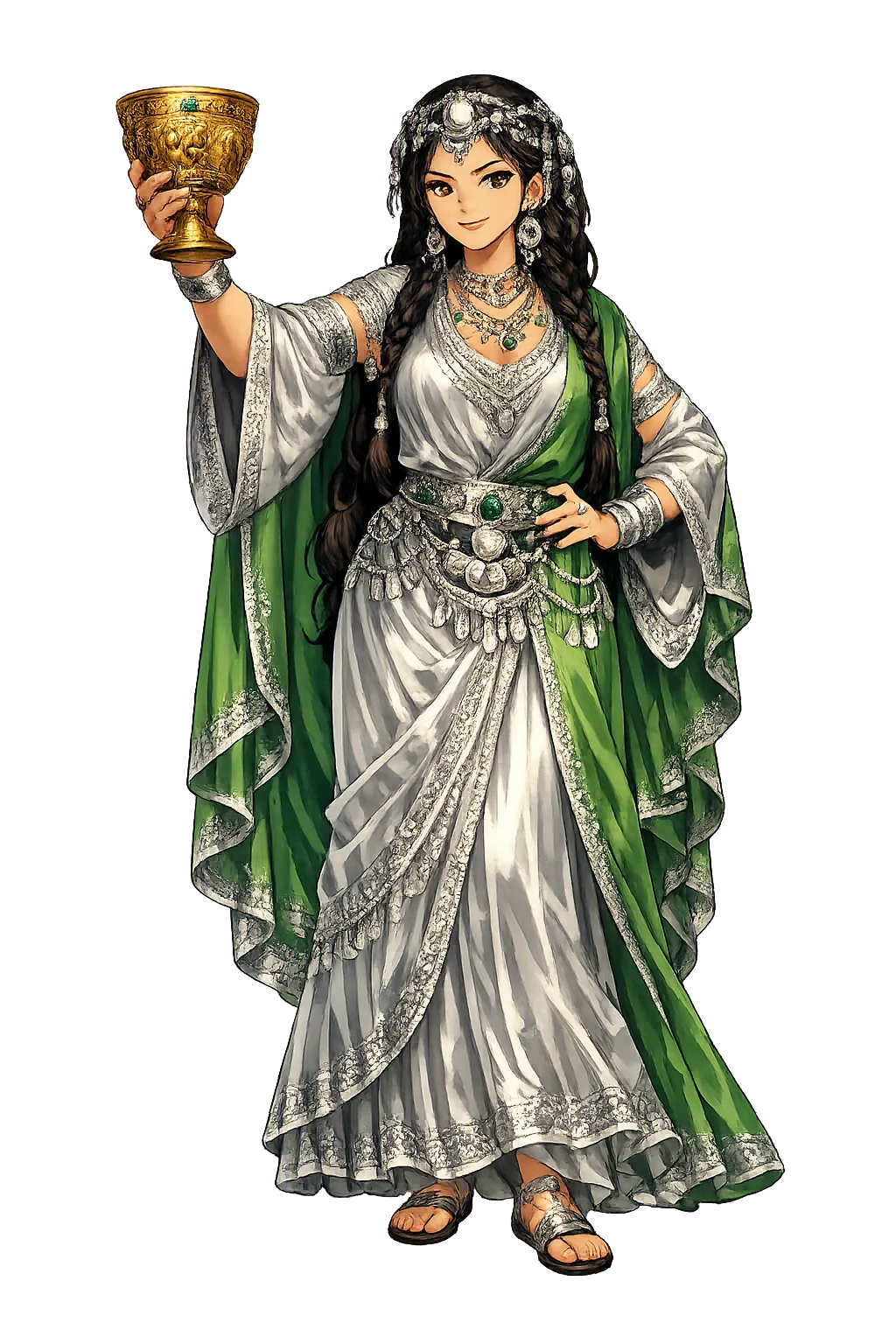
Sacred SymbolsGazelle, Bow and arrow, Feast, Steppe grass, Serpent/dragon
02

Etymology & Word Family

From original script to Unicode restoration

Original Script 𒀭𒄿𒈾𒊏 Inaras — "Unknown"
Unicode Restoration Inaras Restored stress, length, and script
Modern ASCII inaras Plain-ASCII fallback

Inaras is Tier 2: the restored form preserves the scholarly citation shape but adds no distinctive diacritic; the ASCII form is a domain-name convenience; the cuneiform original is written in the Sumero-Akkadian syllabary.

03

Unicode Character Breakdown

Character-by-character philological analysis

CharacterUnicodeNameBlockPhonetic Role
IU+0049Latin Capital Letter IBasic LatinSame, capitalized
nU+006ELatin Small Letter NBasic LatinSame
aU+0061Latin Small Letter ABasic LatinSame
rU+0072Latin Small Letter RBasic LatinSame
aU+0061Latin Small Letter ABasic LatinSame
sU+0073Latin Small Letter SBasic LatinSame

The Tier 2 classification reflects how much of the original phonology this restoration preserves — stress and vowel length for Greek names, distinctive letters and diacritics for every other tradition.

04

Cultural Significance

From ancient cult to modern Unicode

Ancient Domain

Inaras is the Hittite goddess of the wild animals and the open steppe. She appears most dramatically in the Myth of Illuyanka, where she persuades a mortal named Ḫupašiya to help her trap the dragon that has defeated the storm-god. Her domain is the untamed country beyond the city: the grazing herds, the swift gazelles, and the dangerous borderlands where civilization meets wilderness.

Inaras in Later Traditions

Inaras shares traits with several ancient Mediterranean and Near Eastern figures.

Her role as mistress of animals recalls the Greek Potnia Theron, the Mistress of Animals who presides over wild creatures, and Artemis in her capacity as huntress. The dragon-slaying story has close Indo-European parallels, especially the dragon fight of the storm-god. Inaras's liaison with a mortal helper also resembles stories in which a goddess enlists a human hero. Yet her Hittite form is distinct: she is not a virgin huntress but a sovereign of the steppe who uses sex, food, and cunning as weapons.

Modern Legacy

Inaras survives in scholarly memory as the Hittite Mistress of Animals and the architect of the dragon's defeat.

She appears in studies of Indo-European dragon combat, comparative mythology, and the role of goddesses in ancient Near Eastern narrative. The Myth of Illuyanka is one of the most widely cited Hittite texts, and Inaras's role in it makes her a key figure for understanding how divine and mortal agency interact in Hittite thought. For PuniCodex, she represents the wild, cunning dimension of the pantheon: the goddess who knows the borderlands and how to turn an enemy's appetite into his destruction.

Unicode Restoration as Cultural Act

Restoring Inaras in a domain name is more than orthographic accuracy. It is a statement that the internet should recognize the full range of human writing — not only the ASCII keyboard.

05

Frequently Asked Questions

Common questions about Inaras, Wild Animals, Hunt, and Unicode restoration

01How do you pronounce Inaras?

In reconstructed pronunciation, Inaras is /iˈnaːras/ — approximately Scholarly reconstruction /iˈnaːras/; the exact ancient pronunciation is debated..

02What does Inaras mean?

Inaras means Unknown in the hittite tradition.

03What are the symbols of Inaras?

Inaras is associated with Gazelle (The swift animal of the steppe, emblem of her wild domain.), Bow and arrow (The tools of the hunt and the means by which she governs animals.), Feast (The banquet of beer and wine by which Illuyanka is lulled and trapped.), Steppe grass (The open land that is her kingdom.), Serpent/dragon (The enemy she helps to defeat, symbol of chaotic waters.).

04Why restore Inaras in Unicode?

Plain ASCII inaras strips the stress, length, and script that make the name specific. Unicode restoration returns the name to its original written dignity.

05What is the most important myth about Inaras?

After the storm-god Tarḫunash is defeated by the dragon Illuyanka, Inaras takes action. She prepares an enormous feast of beer, wine, and every kind of food, then goes to the mortal Ḫupašiya and proposes a bargain: if he helps her trap the dragon, she will sleep with him. Ḫupašiya agrees. The dragon and his children eat and drink until they cannot return to their hole, and Ḫupašiya binds them so that Tarḫunash can destroy them.

06

Scholarly Sources

The philological foundations of this restoration

Every claim on this page is grounded in established scholarship. The orthographic restorations follow disciplinary convention. The etymological chain follows the best available reference works. This is not invention — it is resurrection through scholarship.

Lexicography & Philology

  • Hittite texts
  • CHD

Primary Texts

  • Primary sources in the hittite tradition for Inaras.

Archaeology & Art History

  • Material evidence — iconography, inscriptions, and temple archaeology — for Inaras and related cults.
  • The texts that name Inaras were excavated from the Hittite royal archives at Boğazköy-Hattusa and related sites in central Anatolia, including temple storerooms and administrative buildings within the citadel. The tablets belong to the corpus of Hittite cuneiform literature preserved in the imperial chancery, with duplicates and parallels in Hurrian, Hattic, Luwian, and other Anatolian traditions. Many were written or copied during the Empire period (c. 1400–1180 BCE), though some compositions may descend from older oral or written sources. The clay tablets were baked, either deliberately or by the fire that destroyed the city, which helped preserve them for modern excavation and study.

Religious Studies

  • CTH 321 — The Myth of Illuyanka.
  • Watkins, C., How to Kill a Dragon (1995).
  • Hoffner, H. A., "The Hittite Myth of Illuyankas," JAOS (1962).
  • Hoffner, H. A., Hittite Myths, 2nd ed. (1998).
  • Haas, V., Geschichte der hethitischen Religion (1994).
  • CHD (Chicago Hittite Dictionary), ed. Güterbock, Hoffner, and van den Hout.
  • van den Hout, T. P. J., The Elements of Hittite (2011).
  • Kloekhorst, A., Etymological Dictionary of the Hittite Inherited Lexicon (2008).
Return

The Surface Awaits

You have traced the name from its earliest attestation to its Unicode restoration. Now return to the myth. The story is where the name lives.

Back to Lore
Inaras mascot