
The Cult
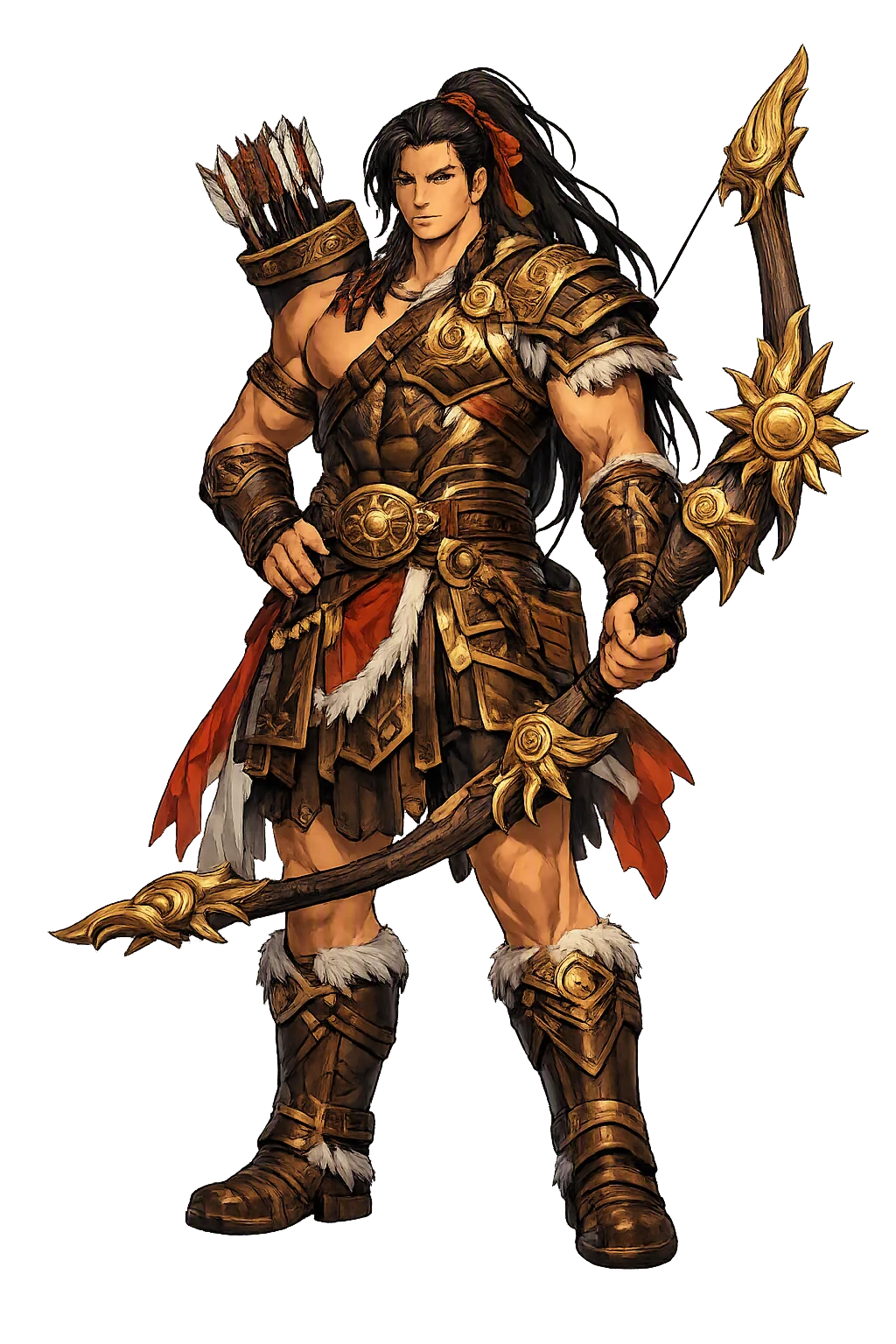
Hòuyì was never a temple god on his wife's scale, and the sources never pretend otherwise. No festival calendar, priesthood, or great sanctuary is dedicated to him in the received tradition: the ritual life of his cycle belongs to Chángé, through the Mid-Autumn moon festival, and to Xīwángmǔ, the Queen Mother of the West, whose Han-dynasty cult surged in 3 BCE, when crowds moved through the passes carrying rush talismans of the goddess, as the Hàn shū records. The elixir-giver drew the altars, not the archer.
What survives of Yì's own cult is honorific. Han tomb builders set him among cosmic exemplars in stone; later tradition keeps him as the husband gazed for at the moon each autumn. His worship, where it lives at all, is the worship of a story told inside someone else's rite.