
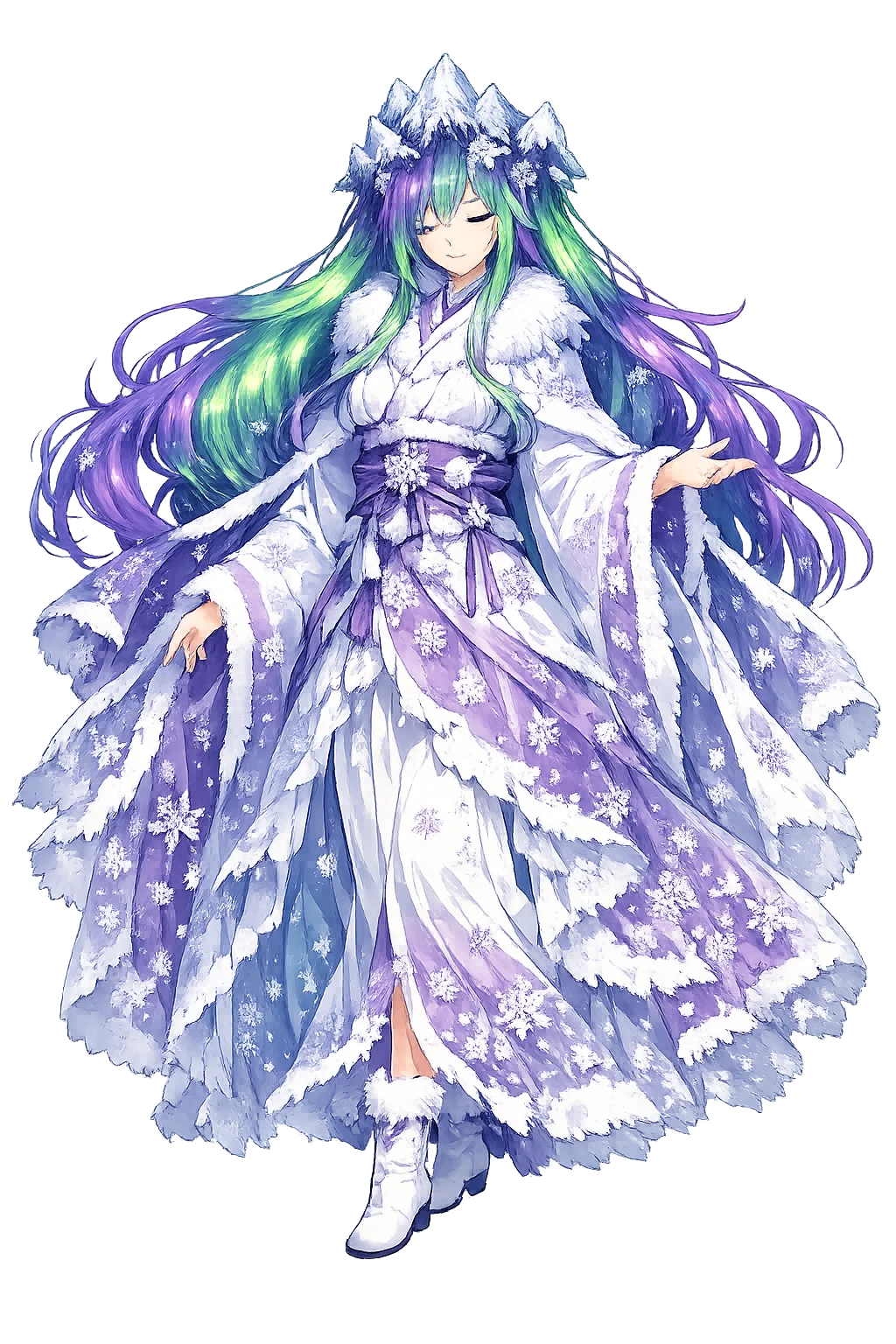
The Cult
Hokkaidō's sanctuaries belong to two ritual worlds. The older is Ainu: a religion of exchange with the kamuy — the spirit-owners of bear, fish, fire, and tools — maintained in the kamuy-nomi household prayer, with its carved wine-sticks and shaved inau wands, and crowned by the iomante, the 'sending-off' of the bear, in which the mountain god's visiting body was feasted, praised, and returned to Kamuy Mosir so that the gift would come again. The ceremony's last full performances belong to the early twentieth century; suppressed, misunderstood, and starved of practitioners, it survives now as studied revival and public demonstration rather than living rite. The younger sanctuaries are Meiji: Hokkaidō Jingū in Sapporo, founded in 1871 around the 'three deities of pioneering,' placed the frontier under State Shinto's wing — a theological colonization corps marching with the survey teams. Buddhist temples followed the fishing ports; Orthodox crosses dotted the Kurils. The island's ritual history is a palimpsest: Ainu exchange beneath Japanese enshrinement, each claiming the same mountains, and only now beginning to be read together.