
The Cult
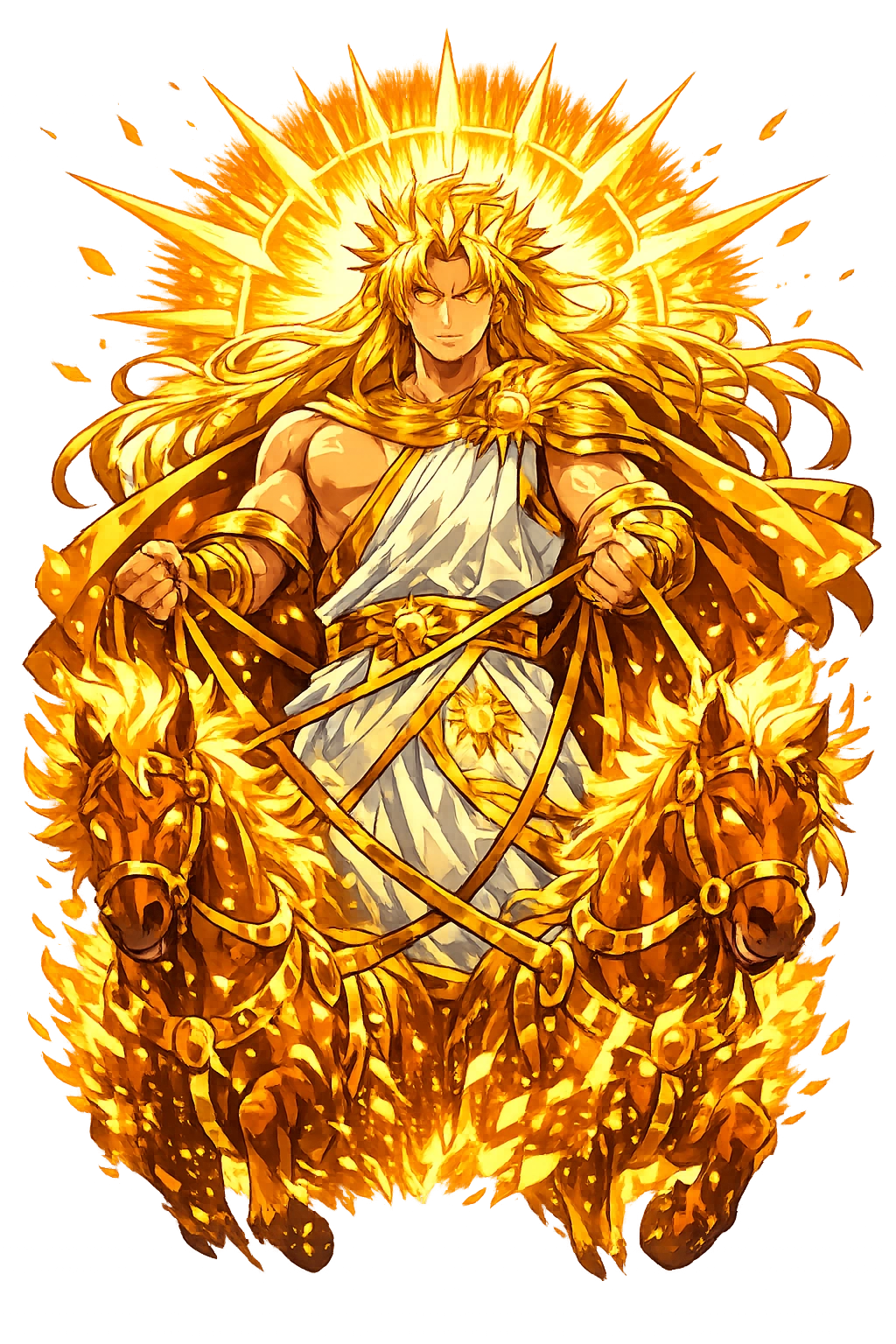
Rhodes was Hēlios's island and his sanctuary. The Halieia, the island's great festival of the Sun, was held with games and pride, and Festus preserves the rite that made it famous: the Rhodians hurled a chariot and four horses into the sea — the sun's team returning to Ocean at day's end. The Colossus, the seventy-cubit bronze raised from the sale of Demetrios Poliorketes's siege engines (305–304 BCE), stood over the harbor as the god's thank-offering in his own likeness, and Rhodian coinage carried his radiate head for centuries as the badge of the state cult. Elsewhere his worship was modest — altars and oath-invocations rather than temples — because every dawn was already his procession and every noon his sacrifice; in Homer, plaintiffs swear by the one god who cannot be deceived. Where he did receive full civic cult, at Rhodes above all, the city spent its surplus on splendor.